THE ADVENTURE COLLECTIVE® · Independent discovery and booking for outdoor travel

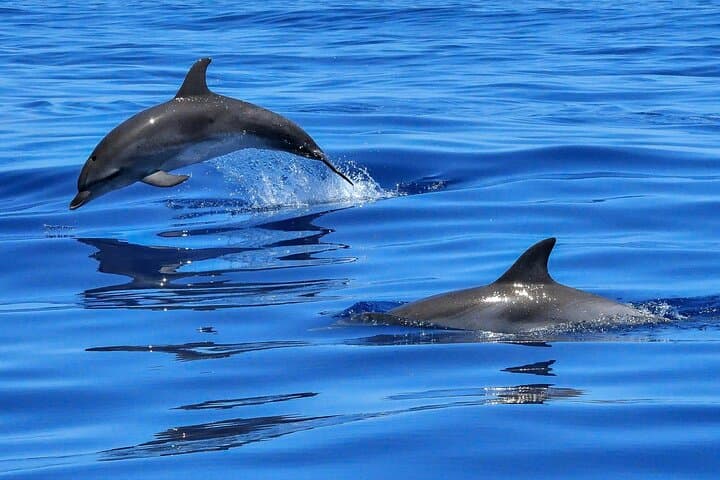
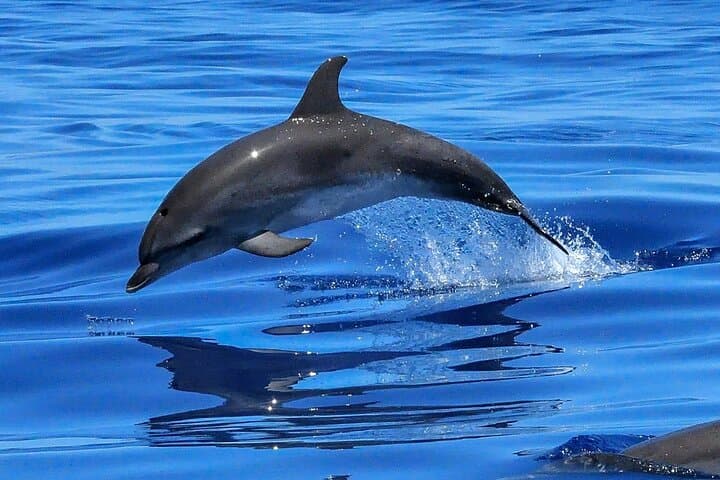
Cruise from Lisbon out the Tagus to the Atlantic with a marine biologist on board—panoramic city and coastal views, plus a good chance to see bottlenose dolphins. This three-hour outing mixes accessible sightseeing with real wildlife interpretation.
Cruise from Lisbon out the Tagus to the Atlantic with a marine biologist on board—panoramic city and coastal views, plus a good chance to see bottlenose dolphins. This three-hour outing mixes accessible sightseeing with real wildlife interpretation.
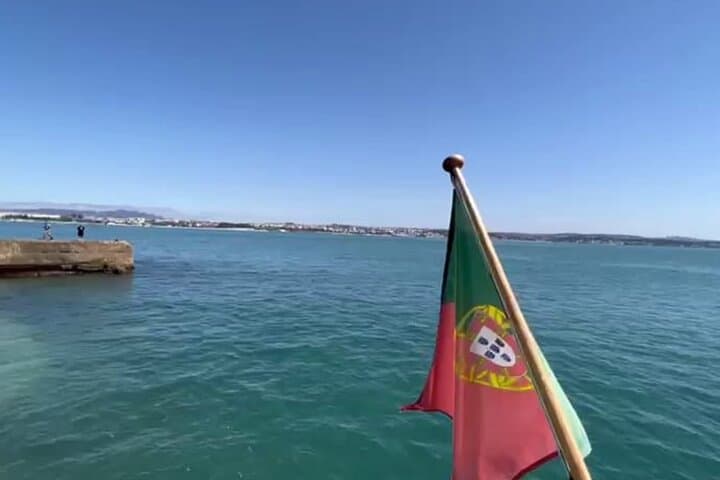
The boat slips away from Lisbon’s ribbed quay as the city blurs into a band of pastel buildings and the 25 de Abril Bridge climbs the skyline. The Tagus breathes under the hull and opens its shoulder to the Atlantic; gulls wheel and the water dares the bow forward. Onboard, a marine biologist scans the horizon, binoculars ready for the first flick of dorsal fin.
Verified experiences and guided adventures in the surrounding area.
Operated by Pacifico Cruises Lisbon · Lisbon, Lisboa
The boat slips away from Lisbon’s ribbed quay as the city blurs into a band of pastel buildings and the 25 de Abril Bridge climbs the skyline. The Tagus breathes under the hull and opens its shoulder to the Atlantic; gulls wheel and the water dares the bow forward. Onboard, a marine biologist scans the horizon, binoculars ready for the first flick of dorsal fin.
This route threads historical markers—Belém Tower stands like a stoic watchman—and runs along a coastline shaped by Pleistocene sands and modern maritime traffic. Culture here is maritime: fishermen’s past and port trade shaped Lisbon’s neighborhoods, and the Tagus estuary itself is part of a protected natural reserve where migratory birds and resident dolphins coexist.
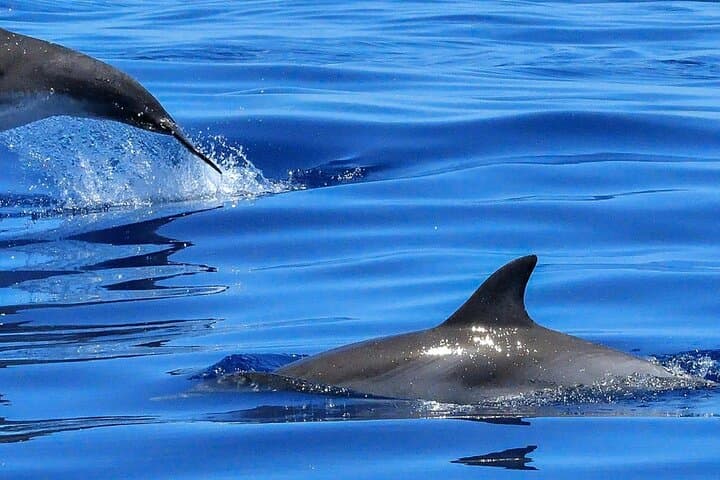
Expect a mix of river-smooth water and Atlantic chop as you pass Costa de Caparica’s dune line. Dolphins (commonly bottlenose) are curious but wild; sightings are likely but never guaranteed. The onboard guide provides biology-focused commentary and context about local conservation efforts.
Practically: the cruise is three hours, departs from central Lisbon, and includes life jackets. Dress in windproof layers and bring binoculars, seasickness remedies if you’re sensitive, and a camera with a zoom. Mornings and late afternoons improve light and animal activity; weekends bring larger crowds. Note the local boarding tourist tax and that operators may switch vessels depending on group size. If you want quieter lines, book a weekday departure and arrive early to clear ticketing. This trip balances approachable adventure with real wildlife viewing—respect the animals and the estuary, and it will reward you with close, energetic encounters and a vivid coastline portrait.
moderate.
3 hours.
Should be comfortable standing and moving on a small vessel for several hours; moderate fitness recommended.
Bottlenose dolphins are commonly seen in the Lisbon coastal waters but sightings can’t be guaranteed since they are wild animals; operators will attempt to find pods during the outing.
Infants are allowed but must sit on an adult’s lap; the vessel may be active so supervise children and bring motion-sickness precautions.
The operator may cancel in poor conditions; refunds are typically available if canceled at least 24 hours before departure or for weather-related cancellations.
Yes—life jackets are supplied onboard and crew will advise on safety procedures before departure.
The Tagus estuary has been central to Lisbon’s maritime history for centuries; landmarks like Belém Tower mark the era of Portuguese exploration and the city’s role in Atlantic trade.
Parts of the Tagus estuary are designated as protected areas; follow guidance from guides, avoid feeding wildlife, and minimize noise and wake near observed animals.
Pacifico Cruises Lisbon operates guided outdoor trips and adventures with an emphasis on safety, stewardship, and memorable experiences.
The boat slips away from Lisbon’s ribbed quay as the city blurs into a band of pastel buildings and the 25 de Abril Bridge climbs the skyline. The Tagus breathes under the hull and opens its shoulder to the Atlantic; gulls wheel and the water dares the bow forward. Onboard, a marine biologist scans the horizon, binoculars ready for the first flick of dorsal fin.
The boat slips away from Lisbon’s ribbed quay as the city blurs into a band of pastel buildings and the 25 de Abril Bridge climbs the skyline. The Tagus breathes under the hull and opens its shoulder to the Atlantic; gulls wheel and the water dares the bow forward. Onboard, a marine biologist scans the horizon, binoculars ready for the first flick of dorsal fin.
This route threads historical markers—Belém Tower stands like a stoic watchman—and runs along a coastline shaped by Pleistocene sands and modern maritime traffic. Culture here is maritime: fishermen’s past and port trade shaped Lisbon’s neighborhoods, and the Tagus estuary itself is part of a protected natural reserve where migratory birds and resident dolphins coexist.
Expect a mix of river-smooth water and Atlantic chop as you pass Costa de Caparica’s dune line. Dolphins (commonly bottlenose) are curious but wild; sightings are likely but never guaranteed. The onboard guide provides biology-focused commentary and context about local conservation efforts.
Practically: the cruise is three hours, departs from central Lisbon, and includes life jackets. Dress in windproof layers and bring binoculars, seasickness remedies if you’re sensitive, and a camera with a zoom. Mornings and late afternoons improve light and animal activity; weekends bring larger crowds. Note the local boarding tourist tax and that operators may switch vessels depending on group size. If you want quieter lines, book a weekday departure and arrive early to clear ticketing. This trip balances approachable adventure with real wildlife viewing—respect the animals and the estuary, and it will reward you with close, energetic encounters and a vivid coastline portrait.