THE ADVENTURE COLLECTIVE® · Independent discovery and booking for outdoor travel

Trade Lisbon’s bustle for the calm plains of Ribatejo on a full-day tour of Santarém, Golegã and working estates. Sample olive oil and wines, meet Lusitano horses, and learn local history at Casa dos Patudos.
Trade Lisbon’s bustle for the calm plains of Ribatejo on a full-day tour of Santarém, Golegã and working estates. Sample olive oil and wines, meet Lusitano horses, and learn local history at Casa dos Patudos.
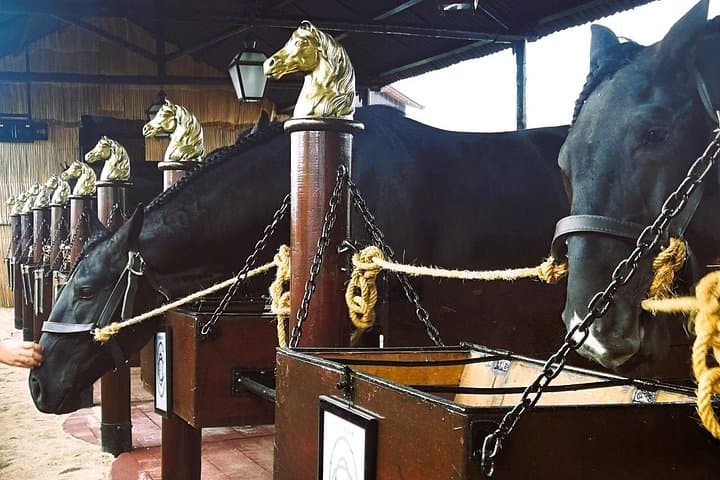
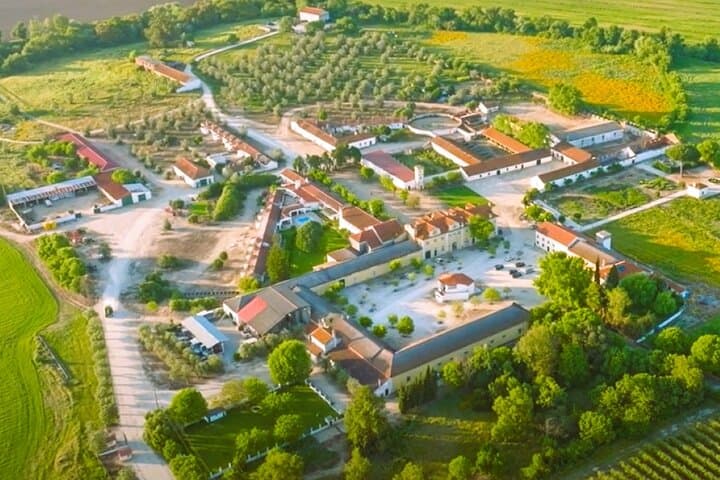
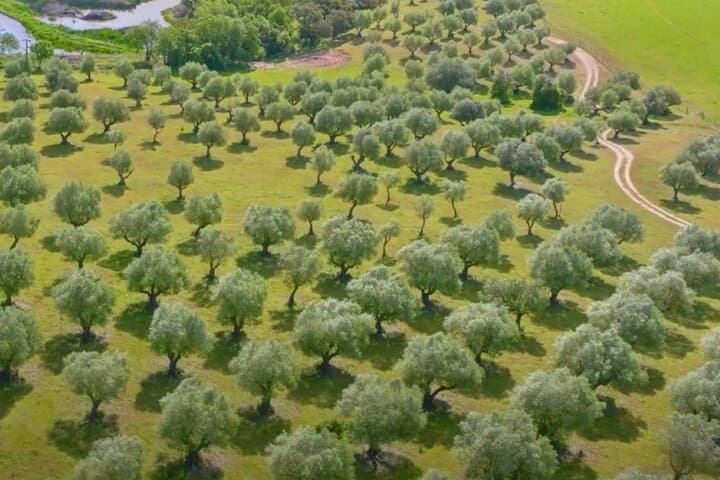
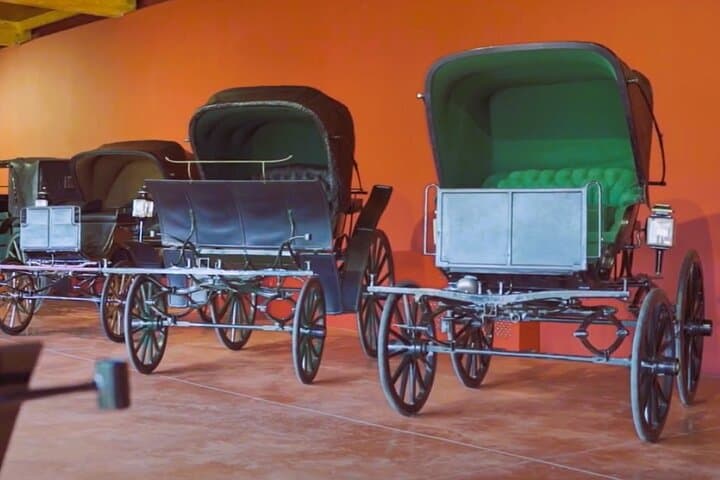
The day begins on a two-lane road out of Lisbon, the Tagus shrinking behind you as ordered rows of olive trees and geometric vineyards open up across the Lezíria plains. Portas do Sol in Santarém offers a first, broad view — the river visible like a silver ribbon daring you to cross back into the city. From there the day moves at an easy pace: a manor house museum, an active estate where olives and grapes are worked, and a stud where Lusitano horses lift their heads as if to greet guests.
Verified experiences and guided adventures in the surrounding area.
Operated by ARR, Tours · Lisbon, Lisbon
The day begins on a two-lane road out of Lisbon, the Tagus shrinking behind you as ordered rows of olive trees and geometric vineyards open up across the Lezíria plains. Portas do Sol in Santarém offers a first, broad view — the river visible like a silver ribbon daring you to cross back into the city. From there the day moves at an easy pace: a manor house museum, an active estate where olives and grapes are worked, and a stud where Lusitano horses lift their heads as if to greet guests.
This corridor of Ribatejo carries layers of history. Santarém’s medieval roots and the Casa dos Patudos — once home to José Relvas, a figure in Portugal’s 1910 Republic proclamation — show the region’s civic and agricultural past. Geology here is flat alluvium: the Lezíria floodplain built by the Tagus, soils that favor olive groves and irrigated fields, and a cultural life shaped by horse breeding and river trade.
Expect hands-on moments: short cellar and mill walks, olive oil and wine tastings, and a supervised visit to a working stud where Lusitano horses demonstrate classical calm. Cultural stops in Golegã include a market-town rhythm and the Church Matriz with Manueline-inspired details.
Practical guidance: this is a full-day, mostly seated tour with light walking on farm paths and paved village streets. Bring sun protection, comfortable shoes for uneven yard surfaces, and a camera for both panoramic views and close-up farm life. Timed for daylight and tasting schedules, aim to start from Lisbon early to make the most of each stop.
easy.
8 hours.
Suitable for most fitness levels; involves short walks (10–30 minutes) and standing during tastings
Yes — the tour includes private, air-conditioned transportation with pickup options from central Lisbon locations.
Tastings of olive oil and wine are included; a traditional Ribatejo lunch in Golegã is typically part of the itinerary.
Many areas and the transport are wheelchair accessible, but some farm areas and stables have uneven surfaces; notify the operator when booking to arrange accommodations.
Yes — infant seats and stroller access are available, but farm areas may have restricted access for very young children; check specific age requirements when booking.
The Casa dos Patudos belonged to José Relvas, an influential landowner involved in the 1910 proclamation of the Portuguese Republic.
The Lezíria floodplain supports traditional agriculture and birdlife; look for producers practicing sustainable olive and vine cultivation to reduce water and chemical use.
ARR, Tours operates guided outdoor trips and adventures with an emphasis on safety, stewardship, and memorable experiences.
The day begins on a two-lane road out of Lisbon, the Tagus shrinking behind you as ordered rows of olive trees and geometric vineyards open up across the Lezíria plains. Portas do Sol in Santarém offers a first, broad view — the river visible like a silver ribbon daring you to cross back into the city. From there the day moves at an easy pace: a manor house museum, an active estate where olives and grapes are worked, and a stud where Lusitano horses lift their heads as if to greet guests.
The day begins on a two-lane road out of Lisbon, the Tagus shrinking behind you as ordered rows of olive trees and geometric vineyards open up across the Lezíria plains. Portas do Sol in Santarém offers a first, broad view — the river visible like a silver ribbon daring you to cross back into the city. From there the day moves at an easy pace: a manor house museum, an active estate where olives and grapes are worked, and a stud where Lusitano horses lift their heads as if to greet guests.
This corridor of Ribatejo carries layers of history. Santarém’s medieval roots and the Casa dos Patudos — once home to José Relvas, a figure in Portugal’s 1910 Republic proclamation — show the region’s civic and agricultural past. Geology here is flat alluvium: the Lezíria floodplain built by the Tagus, soils that favor olive groves and irrigated fields, and a cultural life shaped by horse breeding and river trade.
Expect hands-on moments: short cellar and mill walks, olive oil and wine tastings, and a supervised visit to a working stud where Lusitano horses demonstrate classical calm. Cultural stops in Golegã include a market-town rhythm and the Church Matriz with Manueline-inspired details.
Practical guidance: this is a full-day, mostly seated tour with light walking on farm paths and paved village streets. Bring sun protection, comfortable shoes for uneven yard surfaces, and a camera for both panoramic views and close-up farm life. Timed for daylight and tasting schedules, aim to start from Lisbon early to make the most of each stop.