THE ADVENTURE COLLECTIVE® · Independent discovery and booking for outdoor travel

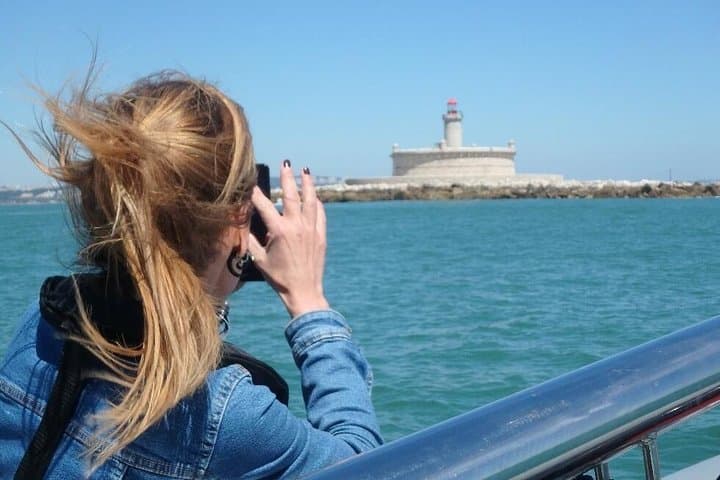
See Lisbon’s forts, lighthouses, and riverside monuments from the unique vantage of a speedboat. This 60–80 minute trip from Oeiras mixes history, wildlife chances, and close-up views of Belém Tower and the Bugio Lighthouse.
See Lisbon’s forts, lighthouses, and riverside monuments from the unique vantage of a speedboat. This 60–80 minute trip from Oeiras mixes history, wildlife chances, and close-up views of Belém Tower and the Bugio Lighthouse.
A low sun cuts across the Tagus as a small semi-rigid speedboat slips from Oeiras Marina, spray hissing at the bow and the forts of Lisbon rearranging themselves like chapters along the shoreline. Participants lean into the wind; the city’s skyline recedes while the coast—stone bulwarks, lighthouses, and the long arc of the river mouth—comes forward.
Verified experiences and guided adventures in the surrounding area.
Operated by BORK You · Oeiras, Lisbon District
A low sun cuts across the Tagus as a small semi-rigid speedboat slips from Oeiras Marina, spray hissing at the bow and the forts of Lisbon rearranging themselves like chapters along the shoreline. Participants lean into the wind; the city’s skyline recedes while the coast—stone bulwarks, lighthouses, and the long arc of the river mouth—comes forward.
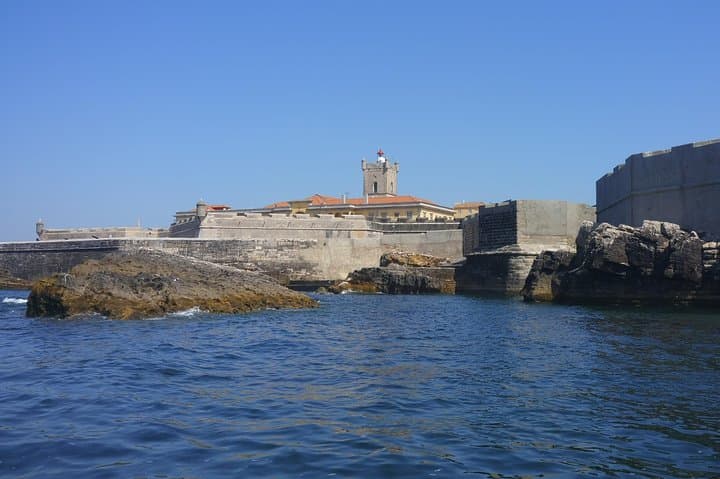
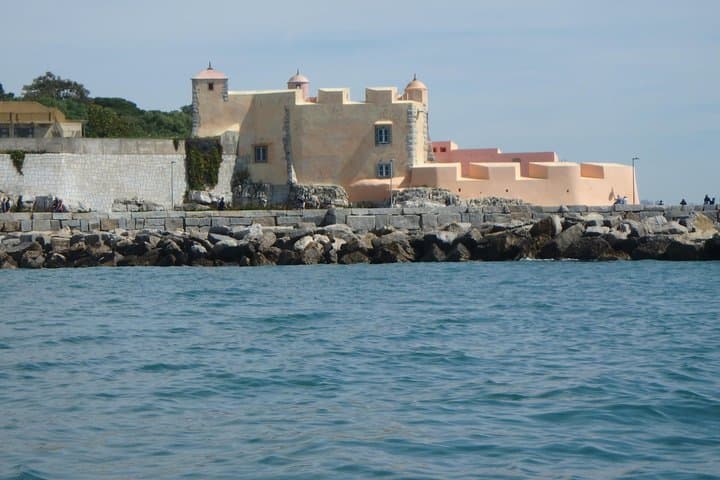
This run follows a living line of history: medieval watch towers, the Manueline flourishes of Belém Tower, and the Vauban-influenced ramparts of São Julião da Barra that once controlled access to Lisbon’s harbor. Geologically the Tagus estuary is an active interface of river and sea—sandbars and tidal currents shape where forts were placed and where lighthouses like Bugio still stand on shifting shoals.
Culturally the trip is compact Portugal: naval architecture, river commerce, and seaside leisure intersect. Guides point out the Discoveries Monument and the view of the 25 de Abril Bridge and Cristo Rei, and the small-group format (max 10) keeps commentary intimate. On lucky days local dolphins will streak the bow wake, an immediate reminder of wildlife threaded into urban margins.
Practicalities are straightforward. Tours last about 60–80 minutes, include lifejackets, snacks, and a welcome drink, and operate from Oeiras with easy public-transit access. Wear a windproof layer, secure sunglasses, and take motion-sickness remedies if needed. The operator cancels in bad weather and recommends reservations; the ride is suitable for most fitness levels but not advised for people with spinal or serious cardiovascular conditions. For a quick, high-energy coastal view of Lisbon, this speedboat route offers a concise, waterfront perspective that maps history, geology, and cityscape in a single outing.
easy.
60–80 minutes.
Suitable for most fitness levels; participants should be able to step on and off the boat and sit for the duration.
The tour runs approximately 60–80 minutes, depending on sea conditions and narration stops.
Departures are from Oeiras Marina on the coast immediately west of central Lisbon; public transport options are nearby.
Yes—infant seats are available and the trip is family-friendly, but all passengers must follow safety briefings and wear provided lifejackets.
Dolphin sightings happen occasionally but are not guaranteed; sightings depend on season and sea conditions.
The forts along the Tagus controlled Lisbon’s river entrance for centuries; Belém Tower served both as a defensive structure and ceremonial gateway during the Age of Discoveries.
Operators typically follow local marine guidelines—avoid throwing waste overboard and keep distances from wildlife; the Tagus estuary is ecologically sensitive and benefits from responsible visitation.
BORK You operates guided outdoor trips and adventures with an emphasis on safety, stewardship, and memorable experiences.
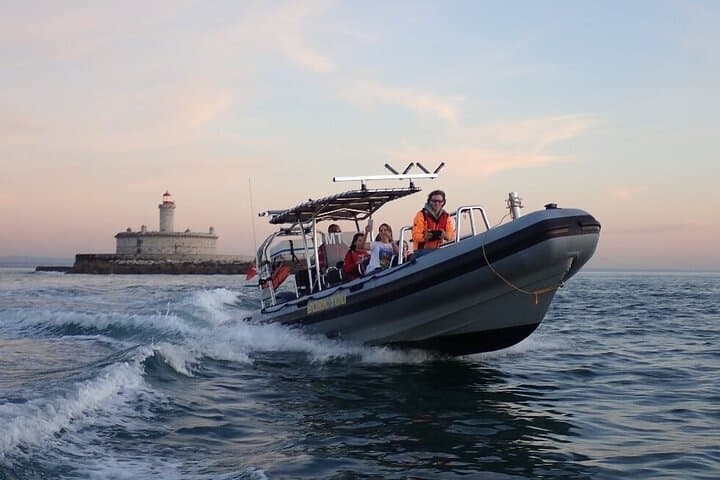
A low sun cuts across the Tagus as a small semi-rigid speedboat slips from Oeiras Marina, spray hissing at the bow and the forts of Lisbon rearranging themselves like chapters along the shoreline. Participants lean into the wind; the city’s skyline recedes while the coast—stone bulwarks, lighthouses, and the long arc of the river mouth—comes forward.
A low sun cuts across the Tagus as a small semi-rigid speedboat slips from Oeiras Marina, spray hissing at the bow and the forts of Lisbon rearranging themselves like chapters along the shoreline. Participants lean into the wind; the city’s skyline recedes while the coast—stone bulwarks, lighthouses, and the long arc of the river mouth—comes forward.
This run follows a living line of history: medieval watch towers, the Manueline flourishes of Belém Tower, and the Vauban-influenced ramparts of São Julião da Barra that once controlled access to Lisbon’s harbor. Geologically the Tagus estuary is an active interface of river and sea—sandbars and tidal currents shape where forts were placed and where lighthouses like Bugio still stand on shifting shoals.
Culturally the trip is compact Portugal: naval architecture, river commerce, and seaside leisure intersect. Guides point out the Discoveries Monument and the view of the 25 de Abril Bridge and Cristo Rei, and the small-group format (max 10) keeps commentary intimate. On lucky days local dolphins will streak the bow wake, an immediate reminder of wildlife threaded into urban margins.
Practicalities are straightforward. Tours last about 60–80 minutes, include lifejackets, snacks, and a welcome drink, and operate from Oeiras with easy public-transit access. Wear a windproof layer, secure sunglasses, and take motion-sickness remedies if needed. The operator cancels in bad weather and recommends reservations; the ride is suitable for most fitness levels but not advised for people with spinal or serious cardiovascular conditions. For a quick, high-energy coastal view of Lisbon, this speedboat route offers a concise, waterfront perspective that maps history, geology, and cityscape in a single outing.