THE ADVENTURE COLLECTIVE® · Independent discovery and booking for outdoor travel

Explore Lisbon’s downtown, Santa Justa lift and the winding Alfama on a three-hour private tour that blends history, river views and practical city walking. Expect steep cobbles, sweeping Tagus vistas and a pastel de nata stop.
Explore Lisbon’s downtown, Santa Justa lift and the winding Alfama on a three-hour private tour that blends history, river views and practical city walking. Expect steep cobbles, sweeping Tagus vistas and a pastel de nata stop.
You step off a narrow tram into a sun-warmed square and the Tagus pulls your gaze toward the Atlantic — Lisbon greets you as a city of angles, stairs and river light.
Verified experiences and guided adventures in the surrounding area.
Operated by Wir in Portugal · Lisbon, Lisbon
You step off a narrow tram into a sun-warmed square and the Tagus pulls your gaze toward the Atlantic — Lisbon greets you as a city of angles, stairs and river light.
This three-hour private walk stitches together downtown Baixa, the ironwork lift of Santa Justa, Chiado’s cafés and the steep, labyrinthine lanes of Alfama. The route follows streets once walked by Phoenicians, Romans and Moors, then by 18th‑century Pombaline planners who rebuilt the lower town after the 1755 earthquake. Geology here is coastal limestone and soft sediment that shaped the hills and the river’s wide estuary; the Tagus dares you to cross its scale with each glance.
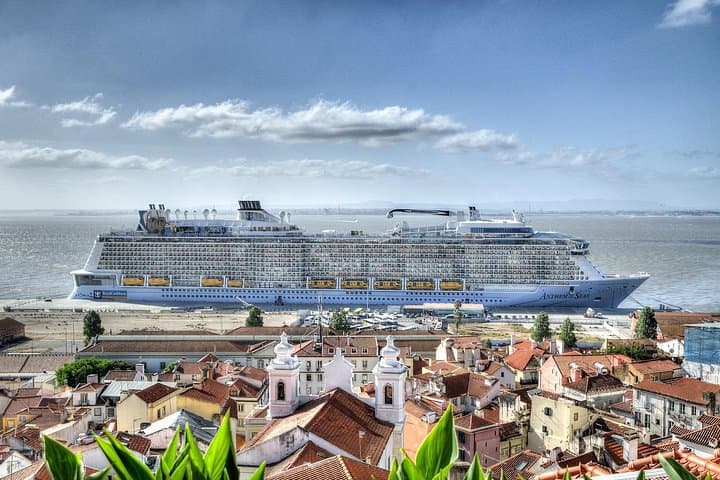
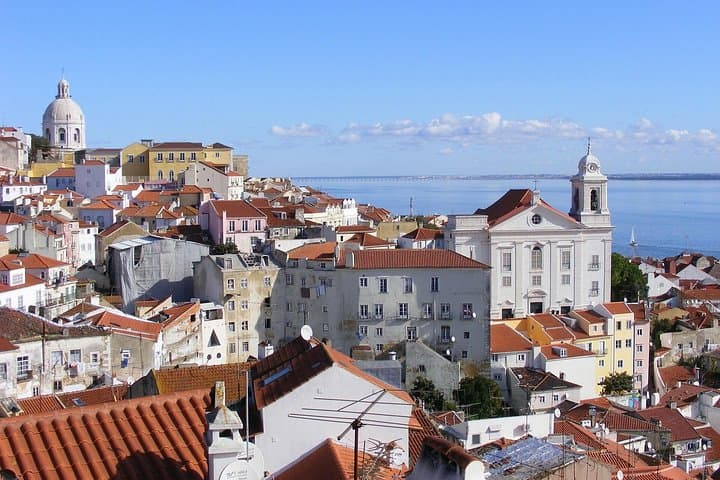
Culturally the tour moves from commercial squares — Comércio and Rossio — into quieter corners: a 13th‑century church, viewpoints that frame the 25 de Abril bridge and Cristo Rei, and the city’s cathedral with its Romanesque bones. Local insights include the everyday texture of azulejos, the sound of trams climbing cobbled grades, and the espresso-fueled pace of Chiado.
Practical guidance: expect steep staircases and uneven cobbles — bring supportive shoes and a full water bottle. The walk covers dense urban terrain with intermittent climbs; cumulative elevation gain is modest but frequent. Start in the morning for cooler temperatures and clearer river views, and allow three hours for a relaxed pace with time for photos and a pastel de nata snack. Public transit is nearby if you need to shorten the route.
moderate.
3 hours.
Moderate; able to handle repeated short climbs, stairs and up to a few miles of walking at a steady pace
Yes — infants must sit on an adult’s lap; the route includes stairs and hills so older children should be comfortable walking or using public transit if needed.
No — the itinerary notes viewpoints and visits but admission is generally not included; the tour provides external viewpoints rather than guaranteed elevator rides.
Confirmation is manual; you'll receive final details from the operator after booking and should verify meeting point and time.
The operator’s cancellation policy requires 24‑hour notice for a full refund and does not automatically cancel for bad weather; dress in layers and clarify rescheduling options when booking.
Lisbon’s layers reflect early Phoenician and Carthaginian trade, Roman administration and centuries of Moorish influence, reshaped by the 1755 earthquake and Pombaline reconstruction.
Historic quarters are fragile—respect private property, stay on marked streets to protect old masonry and avoid placing stickers on azulejos; favor public transit and walking to reduce local traffic impact.
Wir in Portugal operates guided outdoor trips and adventures with an emphasis on safety, stewardship, and memorable experiences.
You step off a narrow tram into a sun-warmed square and the Tagus pulls your gaze toward the Atlantic — Lisbon greets you as a city of angles, stairs and river light.
You step off a narrow tram into a sun-warmed square and the Tagus pulls your gaze toward the Atlantic — Lisbon greets you as a city of angles, stairs and river light.
This three-hour private walk stitches together downtown Baixa, the ironwork lift of Santa Justa, Chiado’s cafés and the steep, labyrinthine lanes of Alfama. The route follows streets once walked by Phoenicians, Romans and Moors, then by 18th‑century Pombaline planners who rebuilt the lower town after the 1755 earthquake. Geology here is coastal limestone and soft sediment that shaped the hills and the river’s wide estuary; the Tagus dares you to cross its scale with each glance.
Culturally the tour moves from commercial squares — Comércio and Rossio — into quieter corners: a 13th‑century church, viewpoints that frame the 25 de Abril bridge and Cristo Rei, and the city’s cathedral with its Romanesque bones. Local insights include the everyday texture of azulejos, the sound of trams climbing cobbled grades, and the espresso-fueled pace of Chiado.
Practical guidance: expect steep staircases and uneven cobbles — bring supportive shoes and a full water bottle. The walk covers dense urban terrain with intermittent climbs; cumulative elevation gain is modest but frequent. Start in the morning for cooler temperatures and clearer river views, and allow three hours for a relaxed pace with time for photos and a pastel de nata snack. Public transit is nearby if you need to shorten the route.