THE ADVENTURE COLLECTIVE® · Independent discovery and booking for outdoor travel

Explore Alfama and Baixa with a self-guided, location-based game that leads you to miradouros, hidden passages, and street art. Perfect for curious walkers who like puzzles and panoramic city views.
Explore Alfama and Baixa with a self-guided, location-based game that leads you to miradouros, hidden passages, and street art. Perfect for curious walkers who like puzzles and panoramic city views.
The game begins on a sun-warmed stair where azulejos glint and a tram bell calls you forward. You stand in Alfama, high above the Tagus, and the city opens like a map: terracotta roofs, narrow alleys, and a dozen viewpoints that frame Lisbon in sharp angles and soft light.
Verified experiences and guided adventures in the surrounding area.
Operated by Secret City Trails · Lisbon, Lisboa
The game begins on a sun-warmed stair where azulejos glint and a tram bell calls you forward. You stand in Alfama, high above the Tagus, and the city opens like a map: terracotta roofs, narrow alleys, and a dozen viewpoints that frame Lisbon in sharp angles and soft light.
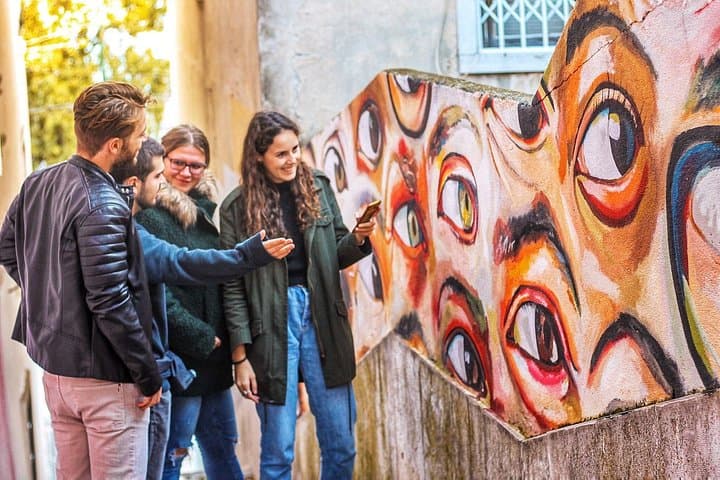
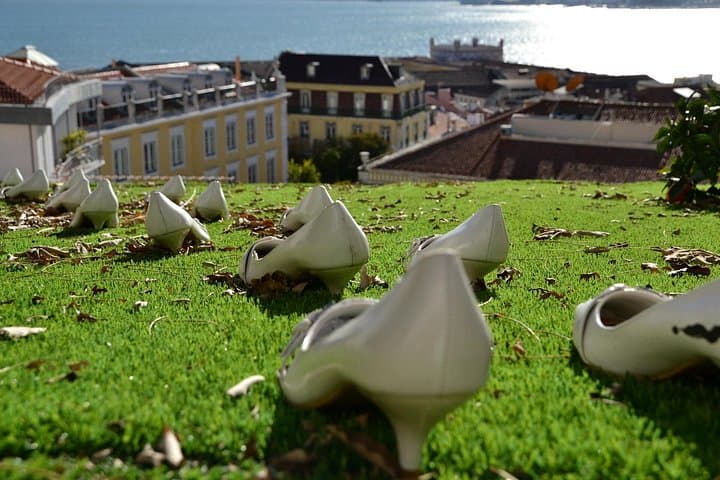
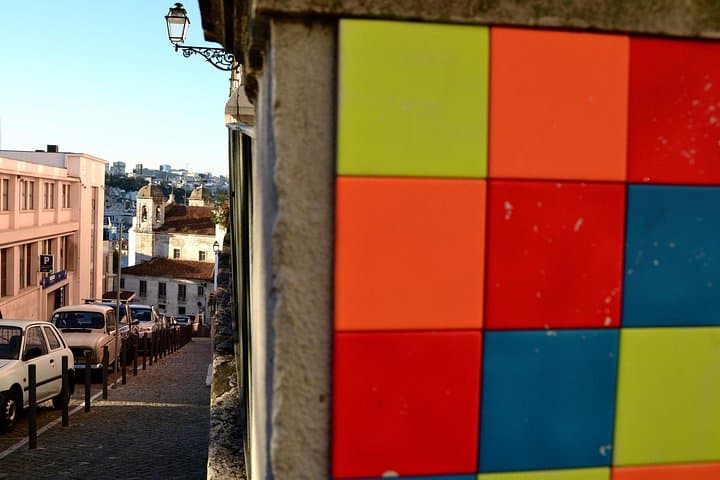
This self-guided walk threads together Alfama’s medieval lanes and Baixa’s grid of 18th-century reconstruction. Alfama retains Moorish street patterns and tiled facades; Baixa was rebuilt after the 1755 earthquake with broad plazas and neoclassical lines. The route favors miradouros (viewpoints) such as Santa Luzia and Santa Catarina, where panoramas of river and roofline compete with street artists’ murals and hidden chapels.
Culture here is lived at street level: fado seeping from tavern doors, vendors balancing baskets on steep steps, and old men sketching façades. The game’s location-based riddles guide you through secret passages and lesser-known lookouts, turning navigation into discovery and encouraging an observational pace.
Practical guidance: bring a charged smartphone (the game runs in your browser), wear shoes with firm soles for cobbles and staircases, and allow 45–90 minutes depending on the extended route. Start in the morning or late afternoon to avoid peak sun and crowds; expect narrow passages and occasional tram traffic. Hydrate, keep valuables secure on busy streets, and pause at a miradouro to soak in the view—this is a walk that rewards curiosity and small detours.
moderate.
45–90 minutes.
Comfortable with walking on uneven cobbles and stair climbs; moderate stamina for repeated short climbs.
No—after booking you receive a link to a web app that runs in your phone browser, so no app download is required.
Some sections include steep staircases and uneven cobbles; while short stroller segments are possible, the full route is not wheelchair-friendly.
Content is typically provided in English and may include other languages depending on the creator; check the booking page for specifics.
Yes—the web-based game can be paused; however, plan for 45–90 minutes to complete the standard route without rushing.
Alfama preserves Lisbon’s pre-1755 street plan and Moorish influences, while Baixa was reshaped after the 1755 earthquake into a rational, grid-like downtown.
Stick to marked streets and avoid climbing on fragile façades; local initiatives encourage responsible tourism to protect historic tiles and narrow residential neighborhoods.
Secret City Trails operates guided outdoor trips and adventures with an emphasis on safety, stewardship, and memorable experiences.
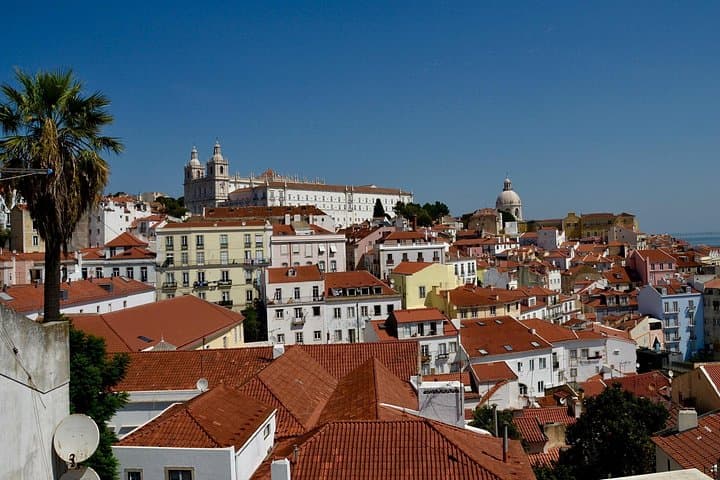
The game begins on a sun-warmed stair where azulejos glint and a tram bell calls you forward. You stand in Alfama, high above the Tagus, and the city opens like a map: terracotta roofs, narrow alleys, and a dozen viewpoints that frame Lisbon in sharp angles and soft light.
The game begins on a sun-warmed stair where azulejos glint and a tram bell calls you forward. You stand in Alfama, high above the Tagus, and the city opens like a map: terracotta roofs, narrow alleys, and a dozen viewpoints that frame Lisbon in sharp angles and soft light.
This self-guided walk threads together Alfama’s medieval lanes and Baixa’s grid of 18th-century reconstruction. Alfama retains Moorish street patterns and tiled facades; Baixa was rebuilt after the 1755 earthquake with broad plazas and neoclassical lines. The route favors miradouros (viewpoints) such as Santa Luzia and Santa Catarina, where panoramas of river and roofline compete with street artists’ murals and hidden chapels.
Culture here is lived at street level: fado seeping from tavern doors, vendors balancing baskets on steep steps, and old men sketching façades. The game’s location-based riddles guide you through secret passages and lesser-known lookouts, turning navigation into discovery and encouraging an observational pace.
Practical guidance: bring a charged smartphone (the game runs in your browser), wear shoes with firm soles for cobbles and staircases, and allow 45–90 minutes depending on the extended route. Start in the morning or late afternoon to avoid peak sun and crowds; expect narrow passages and occasional tram traffic. Hydrate, keep valuables secure on busy streets, and pause at a miradouro to soak in the view—this is a walk that rewards curiosity and small detours.