THE ADVENTURE COLLECTIVE® · Independent discovery and booking for outdoor travel

A two-hour, small-group walk that threads Bairro Alto, Bica and Chiado via alleys, courtyards and shortcuts. Expect local storytelling, Fado and practical neighborhood tips that a guide born in Lisbon keeps close.
A two-hour, small-group walk that threads Bairro Alto, Bica and Chiado via alleys, courtyards and shortcuts. Expect local storytelling, Fado and practical neighborhood tips that a guide born in Lisbon keeps close.
You turn a corner and the city changes: a narrow cobbled alley slopes down between painted façades, laundry flutters, and the guide—born in Lisbon—pulls a story from a doorway. The LisboaLove Walk moves at a human pace, threading Bairro Alto, the Bica funicular quarter and Chiado while keeping you off the main tourist drag.
Verified experiences and guided adventures in the surrounding area.
Operated by #LisboaLove walk around · Lisbon, Lisbon
You turn a corner and the city changes: a narrow cobbled alley slopes down between painted façades, laundry flutters, and the guide—born in Lisbon—pulls a story from a doorway. The LisboaLove Walk moves at a human pace, threading Bairro Alto, the Bica funicular quarter and Chiado while keeping you off the main tourist drag.
The route traces layers of Lisbon’s past: medieval lanes reshaped after the 1755 earthquake, 18th- and 19th-century façades, and the tiled storefronts that mark a seafaring capital. Geology shows in the slope under your feet—limestone bedrock and compacted fill—so expect short, steep cobbled sections rather than long climbs. Culture arrives as Fado notes, literary references in carved plaques, and neighborhood courtyards where locals still meet.
Practically, this is a compact urban walk—about 2–2.5 hours, roughly 3–4 km on mixed cobbles and pavement, with several flights of steps and intermittent inclines. Groups are small (max ~10), so the commentary is conversational and local tips are immediate: where to grab a pastel de nata, how to catch the tram without waiting hours, and which viewpoints skip the crowds.
Wear grippy shoes for uneven stones, carry water, and time the walk for morning or late afternoon to avoid high sun and busy streets. It’s family-friendly and paced for people with moderate fitness, but not suited to travelers who can’t manage steps. Expect stories, shortcuts, and a sense of Lisbon as a lived city rather than a postcard.
moderate.
2–2.5 hours.
Moderate—able to manage several flights of steps and short steep cobbled sections
The tour runs about 2–2.5 hours and covers roughly 3–4 km on mixed cobblestone and pavement with several short, steep sections.
Yes—it's family-friendly and paced for moderate fitness, but participants should be able to handle stairs and uneven ground.
No entrance fees or transport are included; the experience is a guided walking tour with stops for stories and local tips.
Tours are led by a Lisbon-born guide; shared groups are typically small (up to about 10 people) for a conversational experience.
The neighborhoods visited show layers from medieval street patterns to post-1755 earthquake rebuilding, with 18th–19th century commercial growth tied to Lisbon’s maritime trade.
Narrow streets are sensitive to overcrowding—travelers should stick to paths, support local shops and minimize noise to preserve residential life.
#LisboaLove walk around operates guided outdoor trips and adventures with an emphasis on safety, stewardship, and memorable experiences.

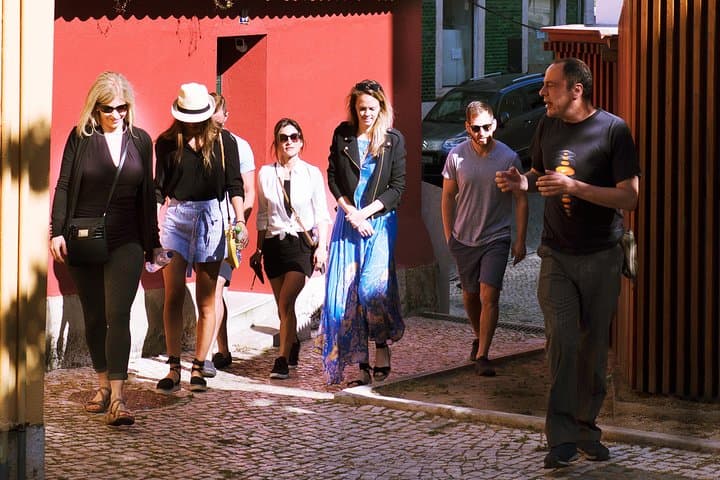

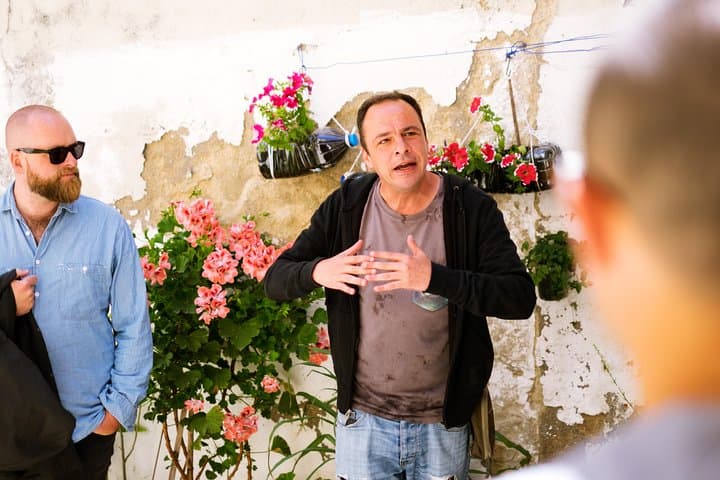
You turn a corner and the city changes: a narrow cobbled alley slopes down between painted façades, laundry flutters, and the guide—born in Lisbon—pulls a story from a doorway. The LisboaLove Walk moves at a human pace, threading Bairro Alto, the Bica funicular quarter and Chiado while keeping you off the main tourist drag.
You turn a corner and the city changes: a narrow cobbled alley slopes down between painted façades, laundry flutters, and the guide—born in Lisbon—pulls a story from a doorway. The LisboaLove Walk moves at a human pace, threading Bairro Alto, the Bica funicular quarter and Chiado while keeping you off the main tourist drag.
The route traces layers of Lisbon’s past: medieval lanes reshaped after the 1755 earthquake, 18th- and 19th-century façades, and the tiled storefronts that mark a seafaring capital. Geology shows in the slope under your feet—limestone bedrock and compacted fill—so expect short, steep cobbled sections rather than long climbs. Culture arrives as Fado notes, literary references in carved plaques, and neighborhood courtyards where locals still meet.
Practically, this is a compact urban walk—about 2–2.5 hours, roughly 3–4 km on mixed cobbles and pavement, with several flights of steps and intermittent inclines. Groups are small (max ~10), so the commentary is conversational and local tips are immediate: where to grab a pastel de nata, how to catch the tram without waiting hours, and which viewpoints skip the crowds.
Wear grippy shoes for uneven stones, carry water, and time the walk for morning or late afternoon to avoid high sun and busy streets. It’s family-friendly and paced for people with moderate fitness, but not suited to travelers who can’t manage steps. Expect stories, shortcuts, and a sense of Lisbon as a lived city rather than a postcard.