THE ADVENTURE COLLECTIVE® · Independent discovery and booking for outdoor travel

Walk through emerald tea terraces to Lipton's Seat, a viewpoint Sir Thomas Lipton once favored, and tour the historic Dambatenna Tea Factory. Expect panoramic views, a guided factory visit, and a gentle plantation trail.
Walk through emerald tea terraces to Lipton's Seat, a viewpoint Sir Thomas Lipton once favored, and tour the historic Dambatenna Tea Factory. Expect panoramic views, a guided factory visit, and a gentle plantation trail.
A low-slung bus curls up a narrow road through wet green rows, and you step out into a cool, cloud-touched morning. The path is a ribbon between clipped tea bushes; every footfall disturbs the faint perfume of damp leaves. From Lipton's Seat the world opens — lakes, escarpments and the Hambantota coast folded into the distance — a clear, millimetre‑sharp panorama when the mist lifts.
Verified experiences and guided adventures in the surrounding area.
Operated by Ella Excursions Tours · Haputale, Uva Province
A low-slung bus curls up a narrow road through wet green rows, and you step out into a cool, cloud-touched morning. The path is a ribbon between clipped tea bushes; every footfall disturbs the faint perfume of damp leaves. From Lipton's Seat the world opens — lakes, escarpments and the Hambantota coast folded into the distance — a clear, millimetre‑sharp panorama when the mist lifts.
This viewpoint carries the mark of Sir Thomas Lipton, the Scottish entrepreneur who popularized Ceylon tea in the late 19th century; nearby, Dambatenna Tea Factory still runs the machines and offers a working view of production. Geologically the area is part of Sri Lanka’s central highlands: steep ridges, deep valleys and volcanic-age rocks that force cloud-layer formation and feed the lush, acid soils tea prefers.
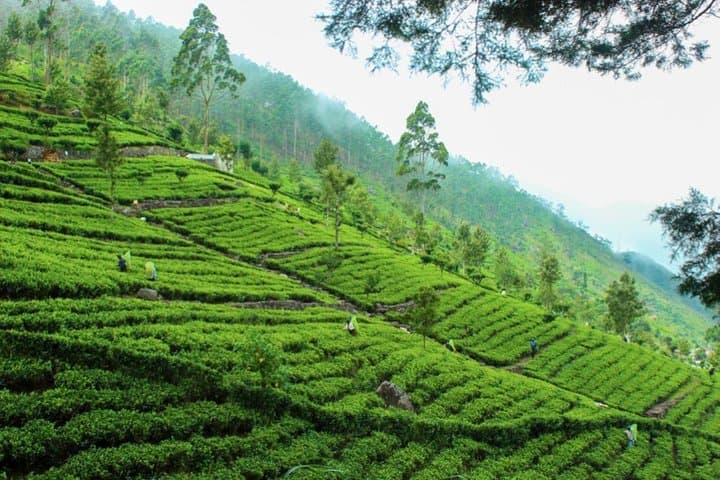
Culture here is estate life — small community tea pickers, narrow estate lanes and roadside tea stalls serving fresh brews. Expect a guided walk through terraces, a factory tour that explains with practical clarity how leaf becomes black tea, and a short climb to the viewpoint.
Practical notes: allow about five hours for pickup, factory visit, and the walk; wear grippy shoes for muddy tracks and a light waterproof; mornings bring sun and sudden showers. Hydrate, keep modest clothing for estate areas, and bring cash for small purchases at village stalls. The route is accessible to most walkers but includes short steep sections; take the private transport included in the tour if you prefer a relaxed day with focused photography and tasting stops.
moderate.
5 hours.
Suitable for walkers who can handle several short inclines and uneven ground; basic stamina for a half‑day outing.
The guided walk through the plantation plus factory time is part of a roughly five‑hour tour, with about 30–60 minutes of walking at the viewpoint and nearby trails.
Yes—most tours include a guided visit to the factory where you can observe processing, ask questions, and sample teas.
The provider notes infants and small children can be in strollers, but sections of the trail are uneven; a carrier is often easier than a stroller on steeper paths.
Private transport is included in this tour, so pickup from Haputale or nearby towns is usually provided—confirm your pickup point when booking.
Lipton’s Seat is associated with Sir Thomas Lipton, who developed tea estates in the late 1800s; Dambatenna was one of his key factory sites and remains operational.
Tea estates manage steep slopes and erosion; visitors should stay on trails, avoid littering, and support local vendors to help the estate economy and sustainable practices.
Ella Excursions Tours operates guided outdoor trips and adventures with an emphasis on safety, stewardship, and memorable experiences.
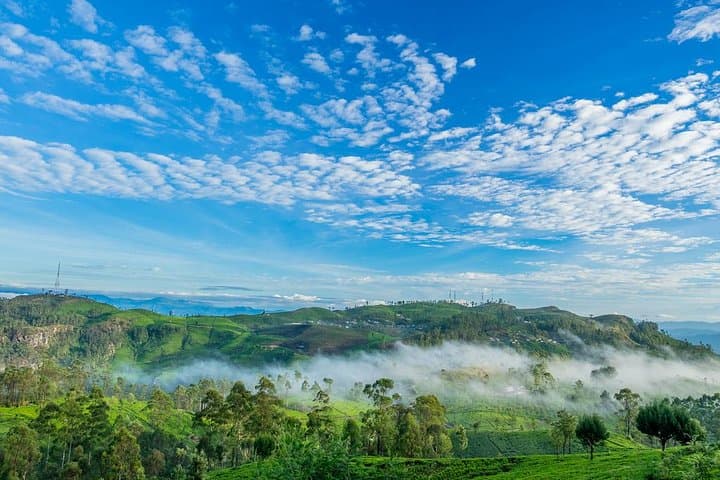
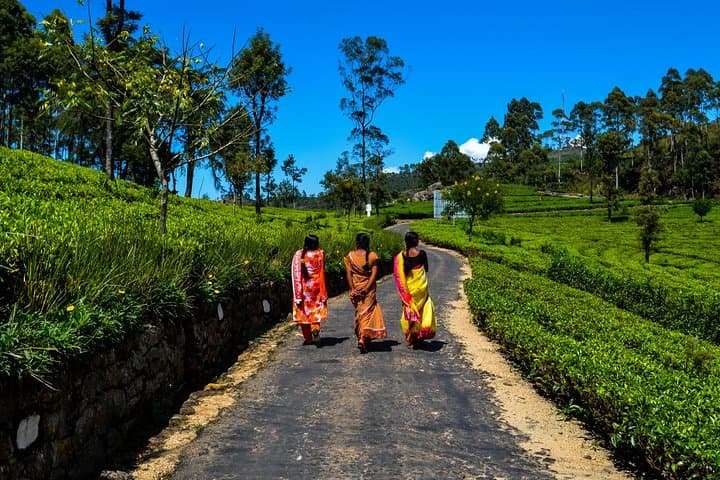

A low-slung bus curls up a narrow road through wet green rows, and you step out into a cool, cloud-touched morning. The path is a ribbon between clipped tea bushes; every footfall disturbs the faint perfume of damp leaves. From Lipton's Seat the world opens — lakes, escarpments and the Hambantota coast folded into the distance — a clear, millimetre‑sharp panorama when the mist lifts.
A low-slung bus curls up a narrow road through wet green rows, and you step out into a cool, cloud-touched morning. The path is a ribbon between clipped tea bushes; every footfall disturbs the faint perfume of damp leaves. From Lipton's Seat the world opens — lakes, escarpments and the Hambantota coast folded into the distance — a clear, millimetre‑sharp panorama when the mist lifts.
This viewpoint carries the mark of Sir Thomas Lipton, the Scottish entrepreneur who popularized Ceylon tea in the late 19th century; nearby, Dambatenna Tea Factory still runs the machines and offers a working view of production. Geologically the area is part of Sri Lanka’s central highlands: steep ridges, deep valleys and volcanic-age rocks that force cloud-layer formation and feed the lush, acid soils tea prefers.
Culture here is estate life — small community tea pickers, narrow estate lanes and roadside tea stalls serving fresh brews. Expect a guided walk through terraces, a factory tour that explains with practical clarity how leaf becomes black tea, and a short climb to the viewpoint.
Practical notes: allow about five hours for pickup, factory visit, and the walk; wear grippy shoes for muddy tracks and a light waterproof; mornings bring sun and sudden showers. Hydrate, keep modest clothing for estate areas, and bring cash for small purchases at village stalls. The route is accessible to most walkers but includes short steep sections; take the private transport included in the tour if you prefer a relaxed day with focused photography and tasting stops.