THE ADVENTURE COLLECTIVE® · Independent discovery and booking for outdoor travel

Ride a tuk‑tuk up to Lipton’s Seat for sweeping highland views, then step inside Dambatenne Tea Factory to see how Ceylon tea is processed. This full‑day tour from Ella combines easy ridge walks and a hands‑on factory walkthrough with time for a panoramic picnic.
Ride a tuk‑tuk up to Lipton’s Seat for sweeping highland views, then step inside Dambatenne Tea Factory to see how Ceylon tea is processed. This full‑day tour from Ella combines easy ridge walks and a hands‑on factory walkthrough with time for a panoramic picnic.
A morning climb through mist and tea begins before most of the hills wake. The tuk‑tuk drops you at a ridgeline where wind pushes across clipped rows of Camellia sinensis and the valley below opens like a map: terraces, stone walls, and distant peaks of the central highlands. At Lipton’s Seat the view is immediate — provinces and ridges stretch under a low sky, and the plantation grid pulls the eye toward the horizon.
Verified experiences and guided adventures in the surrounding area.
Operated by Overa Tours · Haputale, Uva Province
A morning climb through mist and tea begins before most of the hills wake. The tuk‑tuk drops you at a ridgeline where wind pushes across clipped rows of Camellia sinensis and the valley below opens like a map: terraces, stone walls, and distant peaks of the central highlands. At Lipton’s Seat the view is immediate — provinces and ridges stretch under a low sky, and the plantation grid pulls the eye toward the horizon.
This landscape grew from British colonial investment in the late 19th century when planters like Sir Thomas Lipton reshaped Uva’s slopes to grow Ceylon tea. Geologically the highlands are old Precambrian rock, carved by erosion into steep ridges that funnel mists and rain—conditions that give the tea its bright character. Local culture remains rooted in plantation life: Tamil pickers, small estate towns, and roadside vendors selling strong black tea and shortbread.
Practicalities: expect 8 hours from hotel pickup in Ella via tuk‑tuk, moderate walking on narrow plantation tracks and factory steps. Wear sturdy shoes with good traction; weather can shift from blistering sun to sudden showers so pack a light rain shell. Bring sunscreen, insect repellent, and a reusable water bottle—bottled water is usually provided but extra is wise.
At Dambatenne, the factory tour describes with mechanical clarity the withering, rolling, fermenting and firing stages; plan for questions and sample tastings. Buy a small packet of estate tea if you want a tangible memory—local shops often carry fresh, single-estate leaves. Time your visit for morning views and quieter factory floors, and be prepared to walk uneven ground between viewpoints and buildings.
moderate.
8 hours.
Suitable for travelers who can handle several short hikes on uneven ground and stairs; basic stamina required for an all‑day outing.
Yes—pickup and drop‑off from most hotels in Ella are provided, typically by tuk‑tuk; be ready at the lobby 15 minutes before pickup.
A picnic lunch, refreshments and snacks are included in the tour price, and bottled water is supplied during the day.
Moderate—there is walking across tea fields and stairs at the factory; travelers should be comfortable on uneven terrain.
Infants can join but must sit on an adult’s lap during transport and be supervised on foot—confirm any special requirements when booking.
Lipton’s Seat and the Dambatenne factory reflect late‑19th century tea industry expansion led by British planters such as Sir Thomas Lipton, who established estates and processing works in Uva’s highlands.
The highland tea landscape relies on soil conservation and sustainable water use; support small local vendors and avoid leaving litter on plantation tracks.
Overa Tours operates guided outdoor trips and adventures with an emphasis on safety, stewardship, and memorable experiences.
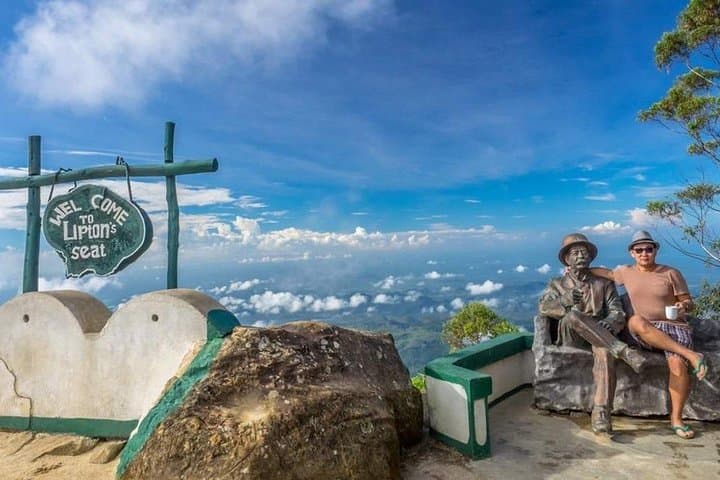
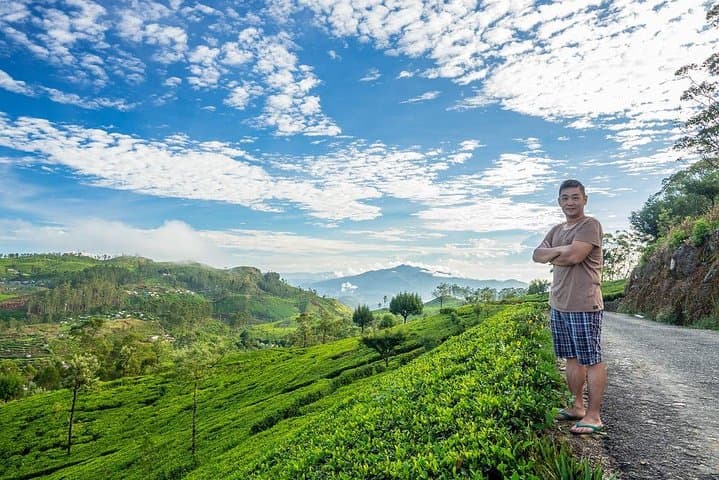
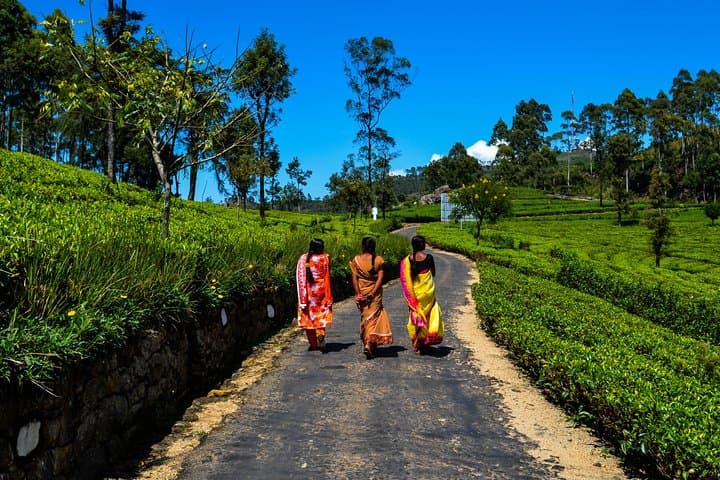
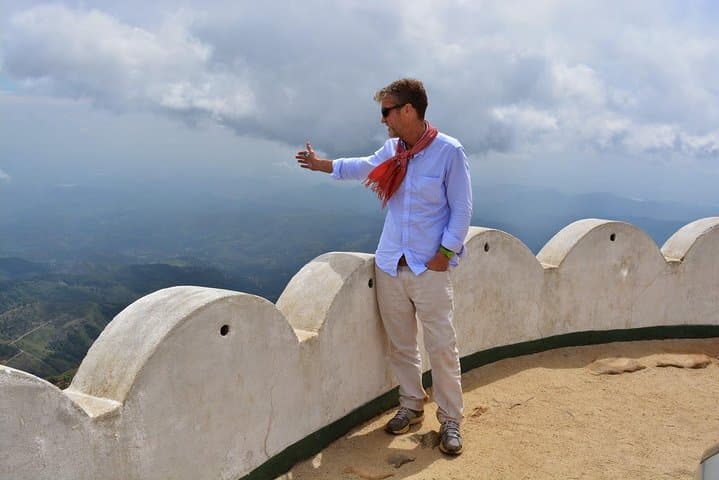
A morning climb through mist and tea begins before most of the hills wake. The tuk‑tuk drops you at a ridgeline where wind pushes across clipped rows of Camellia sinensis and the valley below opens like a map: terraces, stone walls, and distant peaks of the central highlands. At Lipton’s Seat the view is immediate — provinces and ridges stretch under a low sky, and the plantation grid pulls the eye toward the horizon.
A morning climb through mist and tea begins before most of the hills wake. The tuk‑tuk drops you at a ridgeline where wind pushes across clipped rows of Camellia sinensis and the valley below opens like a map: terraces, stone walls, and distant peaks of the central highlands. At Lipton’s Seat the view is immediate — provinces and ridges stretch under a low sky, and the plantation grid pulls the eye toward the horizon.
This landscape grew from British colonial investment in the late 19th century when planters like Sir Thomas Lipton reshaped Uva’s slopes to grow Ceylon tea. Geologically the highlands are old Precambrian rock, carved by erosion into steep ridges that funnel mists and rain—conditions that give the tea its bright character. Local culture remains rooted in plantation life: Tamil pickers, small estate towns, and roadside vendors selling strong black tea and shortbread.
Practicalities: expect 8 hours from hotel pickup in Ella via tuk‑tuk, moderate walking on narrow plantation tracks and factory steps. Wear sturdy shoes with good traction; weather can shift from blistering sun to sudden showers so pack a light rain shell. Bring sunscreen, insect repellent, and a reusable water bottle—bottled water is usually provided but extra is wise.
At Dambatenne, the factory tour describes with mechanical clarity the withering, rolling, fermenting and firing stages; plan for questions and sample tastings. Buy a small packet of estate tea if you want a tangible memory—local shops often carry fresh, single-estate leaves. Time your visit for morning views and quieter factory floors, and be prepared to walk uneven ground between viewpoints and buildings.