THE ADVENTURE COLLECTIVE® · Independent discovery and booking for outdoor travel

Spend a day from Piran exploring Lipica Stud Farm’s historic Lipizzan horses and descending into the UNESCO-listed Škocjan Caves. This accessible six-hour outing mixes living culture, karst geology and easy-to-moderate walking.
Spend a day from Piran exploring Lipica Stud Farm’s historic Lipizzan horses and descending into the UNESCO-listed Škocjan Caves. This accessible six-hour outing mixes living culture, karst geology and easy-to-moderate walking.
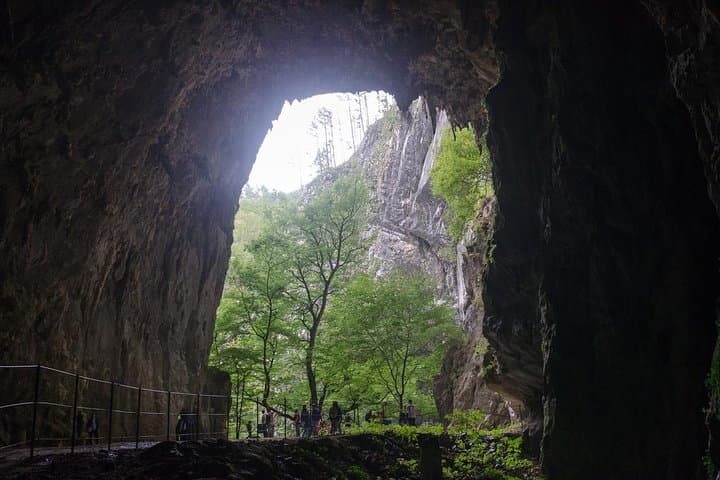
Morning light breaks over the Adriatic as the minivan slips away from Piran’s narrow streets and into the low karst plains. Fields open to a pale herd of Lipizzan horses—powdered coats and slow, deliberate movements—that seem to study you with as much curiosity as you study them. Later the landscape folds inward: limestone cliffs, sinkholes and the hush of an underground river that has been carving the Škocjan Caves for millennia.
Verified experiences and guided adventures in the surrounding area.
Operated by KoperTrips.com · Piran, Slovenian Littoral
Morning light breaks over the Adriatic as the minivan slips away from Piran’s narrow streets and into the low karst plains. Fields open to a pale herd of Lipizzan horses—powdered coats and slow, deliberate movements—that seem to study you with as much curiosity as you study them. Later the landscape folds inward: limestone cliffs, sinkholes and the hush of an underground river that has been carving the Škocjan Caves for millennia.
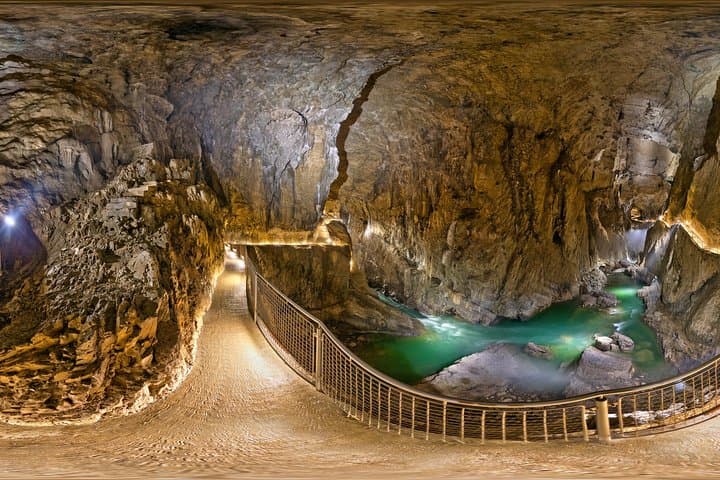
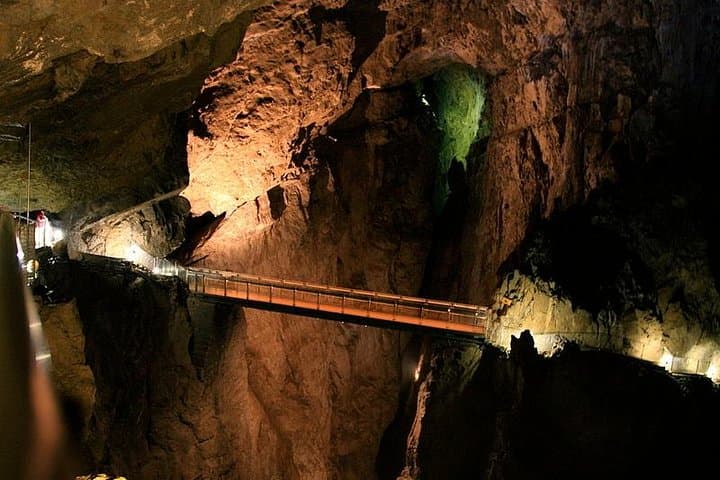
Lipica Stud Farm dates back more than 400 years and is the cradle of the Lipizzan breed. The estate’s manor, stables and the Lipikum museum trace equine training, blacksmithing and regional rural life. Škocjan Caves, inscribed on UNESCO’s World Heritage list in 1986, showcases classic karst geology—towering stalactites, rimstone pools and one of the world’s largest subterranean canyons. The Reka River still dares the cave to contain it; walkways and a 40-meter-high bridge put you at the lip of that force.
Expect a two-site day with guided commentary, included admissions, and light walking—sealed paths at Lipica, uneven boardwalks and stair sections in the caves. Bring layers for the cool cave air, sturdy shoes for mixed surfaces, and a camera with respect—flash is often discouraged. Tours typically run about six hours from Piran or nearby Portorož/Izola, and hotel or port pickup is commonly available. This is an accessible, sensory-rich combination of living culture and deep karst—ideal for travelers who want history, geology and a close encounter with one of Europe’s iconic horse breeds.
moderate.
6 hours.
Moderate—comfortable walking for 2–3 hours on varied surfaces; some stairs and short standing periods.
The tour runs about six hours and includes entrance fees for both Lipica Stud Farm and Škocjan Caves as part of the package.
Yes—infants are allowed but must sit on an adult’s lap; some cave paths include stairs and narrow walkways, so supervise young children closely.
Yes—cruise passengers must provide ship details; pickup can be arranged from the cruise terminal in Piran and from many local hotels and ports.
Škocjan Caves involve stairs and uneven surfaces; they are not fully wheelchair accessible—check with the operator about specific mobility needs.
Lipica has been breeding Lipizzan horses for over 400 years and served Habsburg equestrian traditions; Škocjan Caves are a classic karst system, protected as UNESCO heritage since 1986.
The karst landscape is fragile—stay on marked trails, avoid touching cave formations and follow local guidelines to reduce impact on bat colonies and groundwater quality.
KoperTrips.com operates guided outdoor trips and adventures with an emphasis on safety, stewardship, and memorable experiences.

Morning light breaks over the Adriatic as the minivan slips away from Piran’s narrow streets and into the low karst plains. Fields open to a pale herd of Lipizzan horses—powdered coats and slow, deliberate movements—that seem to study you with as much curiosity as you study them. Later the landscape folds inward: limestone cliffs, sinkholes and the hush of an underground river that has been carving the Škocjan Caves for millennia.
Morning light breaks over the Adriatic as the minivan slips away from Piran’s narrow streets and into the low karst plains. Fields open to a pale herd of Lipizzan horses—powdered coats and slow, deliberate movements—that seem to study you with as much curiosity as you study them. Later the landscape folds inward: limestone cliffs, sinkholes and the hush of an underground river that has been carving the Škocjan Caves for millennia.
Lipica Stud Farm dates back more than 400 years and is the cradle of the Lipizzan breed. The estate’s manor, stables and the Lipikum museum trace equine training, blacksmithing and regional rural life. Škocjan Caves, inscribed on UNESCO’s World Heritage list in 1986, showcases classic karst geology—towering stalactites, rimstone pools and one of the world’s largest subterranean canyons. The Reka River still dares the cave to contain it; walkways and a 40-meter-high bridge put you at the lip of that force.
Expect a two-site day with guided commentary, included admissions, and light walking—sealed paths at Lipica, uneven boardwalks and stair sections in the caves. Bring layers for the cool cave air, sturdy shoes for mixed surfaces, and a camera with respect—flash is often discouraged. Tours typically run about six hours from Piran or nearby Portorož/Izola, and hotel or port pickup is commonly available. This is an accessible, sensory-rich combination of living culture and deep karst—ideal for travelers who want history, geology and a close encounter with one of Europe’s iconic horse breeds.