THE ADVENTURE COLLECTIVE® · Independent discovery and booking for outdoor travel

Spend a day moving from the graceful paddocks of Lipica’s Lipizzan horses to the thunderous, cathedral-like chambers of Škocjan Caves. This guided trip from Trieste pairs centuries of equestrian culture with one of the world’s most dramatic karst systems.
Spend a day moving from the graceful paddocks of Lipica’s Lipizzan horses to the thunderous, cathedral-like chambers of Škocjan Caves. This guided trip from Trieste pairs centuries of equestrian culture with one of the world’s most dramatic karst systems.
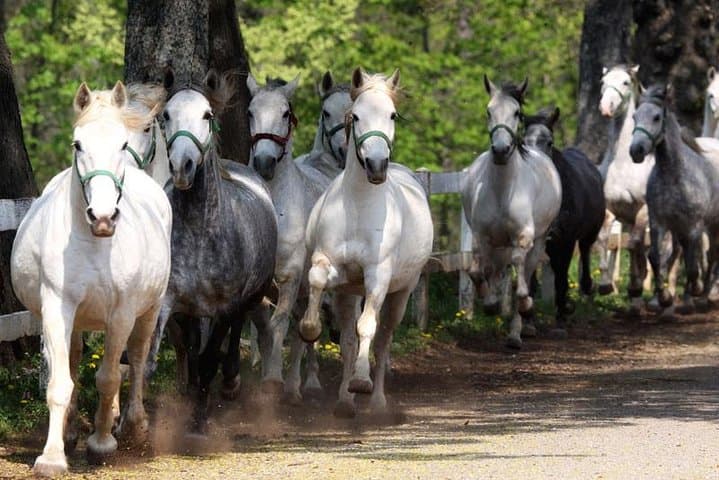
You step off the coach into a wide green plain and the air seems to hum with hooves — the white Lipizzan horses at Lipica move with an old-world calm that fills the estate. Oak and chestnut lanes shade the manor; a stable door opens and the smell of straw and leather mixes with distant sea air from the Adriatic.
Verified experiences and guided adventures in the surrounding area.
Operated by KoperTrips.com · Lipica, Slovenia
You step off the coach into a wide green plain and the air seems to hum with hooves — the white Lipizzan horses at Lipica move with an old-world calm that fills the estate. Oak and chestnut lanes shade the manor; a stable door opens and the smell of straw and leather mixes with distant sea air from the Adriatic.
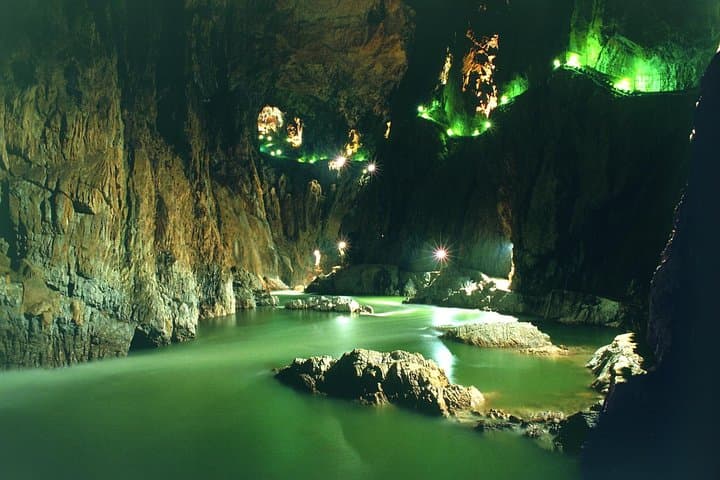
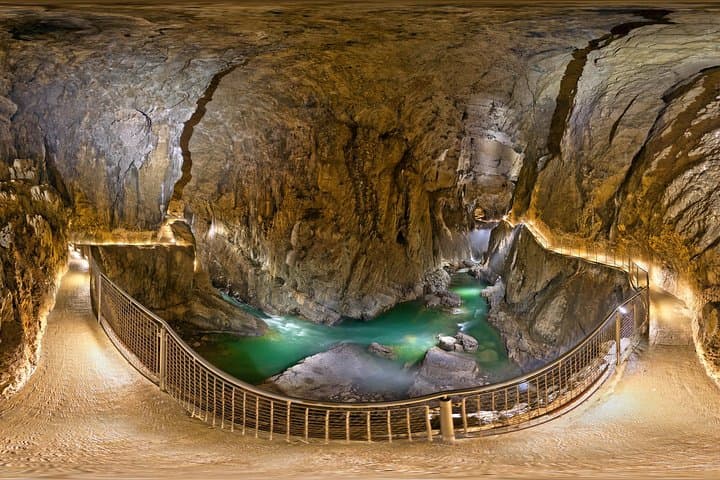
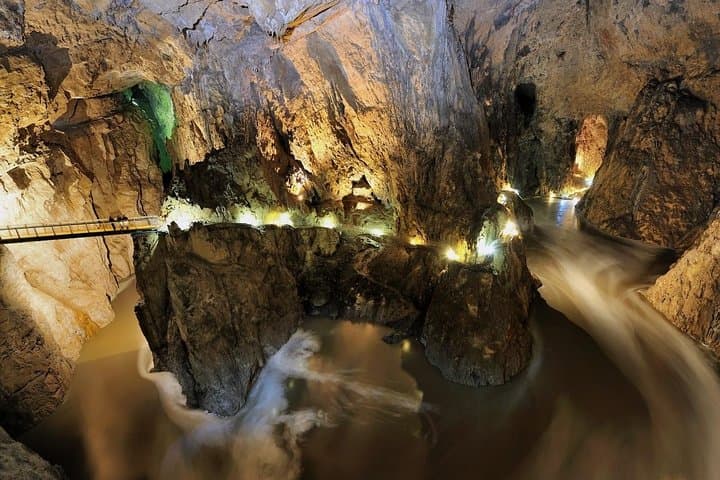
Lipica’s stud farm dates to the late 16th century under Habsburg patronage and is the origin of the Lipizzan breed, a living link to cavalry and classical riding schools. Later in the day the landscape changes: the Karst exposes itself around Škocjan, where the Reka River dares the cave and then vanishes. Škocjan Caves are a UNESCO site known for an immense underground canyon, towering stalactites, and a bridge that hangs 40 meters above the river’s roar.
Together the two stops pair cultural history with raw geology — genteel riding lanes and the cavern’s primeval hush.
Practicalities: this is a roughly six‑hour guided day trip from Trieste with hotel or port pickup. Expect two hours at Lipica for a stable walk, museum visit, and horse viewing, and about two hours inside Škocjan on a guided route with stairs and narrow passages. Cave temperatures stay cool year-round (around 10–12°C), so bring a light jacket. Wear sturdy, closed-toe shoes for uneven paths, and leave tripods or large bags at the visitor centers. Photography is allowed in many outdoor areas but may be restricted inside the caves — follow the guide. Moderate fitness is sufficient, but the cave’s steps and bridges require sure footing. Arrive with water, a camera, and sensible layers to enjoy both the cultivated grace of Lipica and the subterranean drama of Škocjan.
moderate.
6 hours.
Suitable for travelers with moderate fitness—able to walk on uneven ground and climb stairs without difficulty.
Yes — the guided cave visit and entrance to Škocjan Caves are included in the tour price.
The typical visit includes stable tours, museum access, and horse viewing; scheduled performances or riding demonstrations may not be guaranteed—check with the operator in advance.
Children are welcome, but the caves have stairs and narrow sections; infants must sit on laps during transport and parents should assess mobility for cave walking.
Yes — the operator picks up from the Trieste cruise terminal, but you must provide ship name and timings when booking to coordinate pickup.
Lipica Stud Farm has bred Lipizzan horses since the late 16th century under Habsburg patronage; Škocjan Caves were inscribed on the UNESCO World Heritage list in 1986 for their outstanding karst phenomena.
The Karst environment and cave formations are fragile—stay on marked paths, avoid touching speleothems, and follow guides’ rules to reduce impact.
KoperTrips.com operates guided outdoor trips and adventures with an emphasis on safety, stewardship, and memorable experiences.
You step off the coach into a wide green plain and the air seems to hum with hooves — the white Lipizzan horses at Lipica move with an old-world calm that fills the estate. Oak and chestnut lanes shade the manor; a stable door opens and the smell of straw and leather mixes with distant sea air from the Adriatic.
You step off the coach into a wide green plain and the air seems to hum with hooves — the white Lipizzan horses at Lipica move with an old-world calm that fills the estate. Oak and chestnut lanes shade the manor; a stable door opens and the smell of straw and leather mixes with distant sea air from the Adriatic.
Lipica’s stud farm dates to the late 16th century under Habsburg patronage and is the origin of the Lipizzan breed, a living link to cavalry and classical riding schools. Later in the day the landscape changes: the Karst exposes itself around Škocjan, where the Reka River dares the cave and then vanishes. Škocjan Caves are a UNESCO site known for an immense underground canyon, towering stalactites, and a bridge that hangs 40 meters above the river’s roar.
Together the two stops pair cultural history with raw geology — genteel riding lanes and the cavern’s primeval hush.
Practicalities: this is a roughly six‑hour guided day trip from Trieste with hotel or port pickup. Expect two hours at Lipica for a stable walk, museum visit, and horse viewing, and about two hours inside Škocjan on a guided route with stairs and narrow passages. Cave temperatures stay cool year-round (around 10–12°C), so bring a light jacket. Wear sturdy, closed-toe shoes for uneven paths, and leave tripods or large bags at the visitor centers. Photography is allowed in many outdoor areas but may be restricted inside the caves — follow the guide. Moderate fitness is sufficient, but the cave’s steps and bridges require sure footing. Arrive with water, a camera, and sensible layers to enjoy both the cultivated grace of Lipica and the subterranean drama of Škocjan.