THE ADVENTURE COLLECTIVE® · Independent discovery and booking for outdoor travel

Spend a long day aboard a comfortable motorboat visiting Lipari, Panarea and Stromboli—ending with a night view of Stromboli’s glowing eruptions. Expect island walks, volcanic landscapes and practical tips for a smooth sea day.
Spend a long day aboard a comfortable motorboat visiting Lipari, Panarea and Stromboli—ending with a night view of Stromboli’s glowing eruptions. Expect island walks, volcanic landscapes and practical tips for a smooth sea day.
The motorboat slips from the harbor at first light and the Aeolian sea opens like a long, cool corridor—glittering water pushing you toward islands that still smell of sulphur and salt.
Verified experiences and guided adventures in the surrounding area.
Operated by TRIPODI NAVIGAZIONE · Lipari, Sicily
The motorboat slips from the harbor at first light and the Aeolian sea opens like a long, cool corridor—glittering water pushing you toward islands that still smell of sulphur and salt.
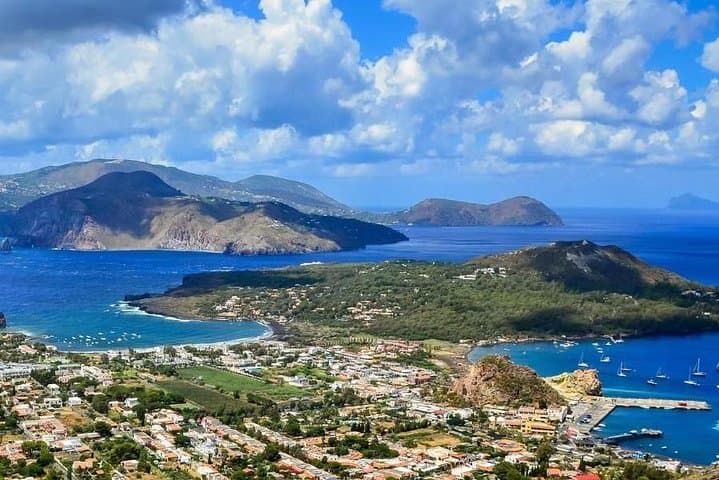
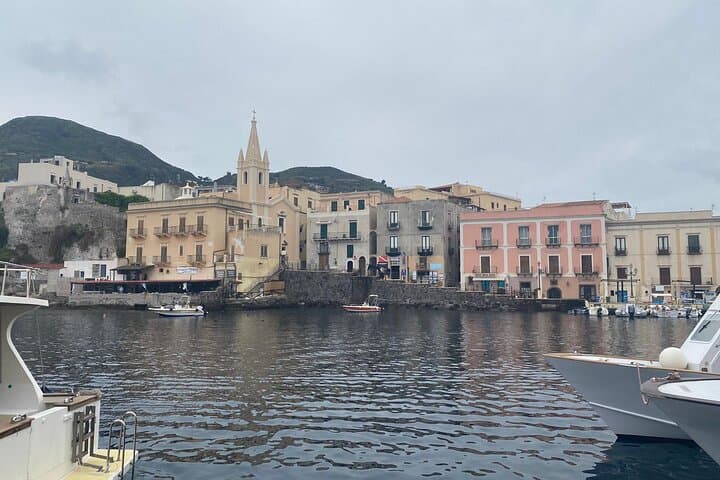
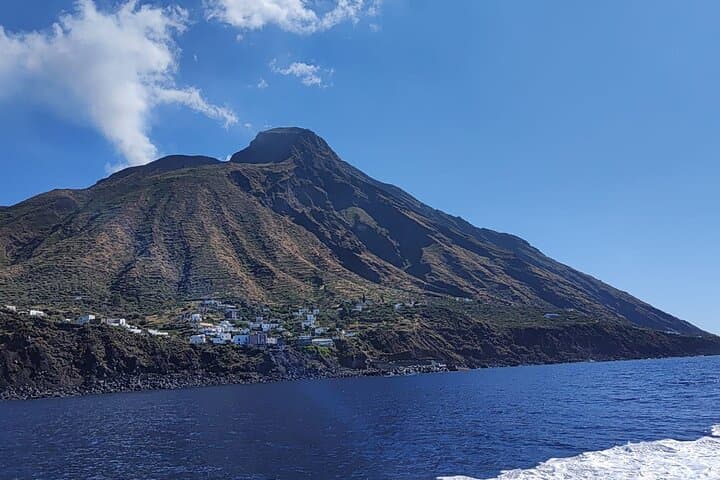
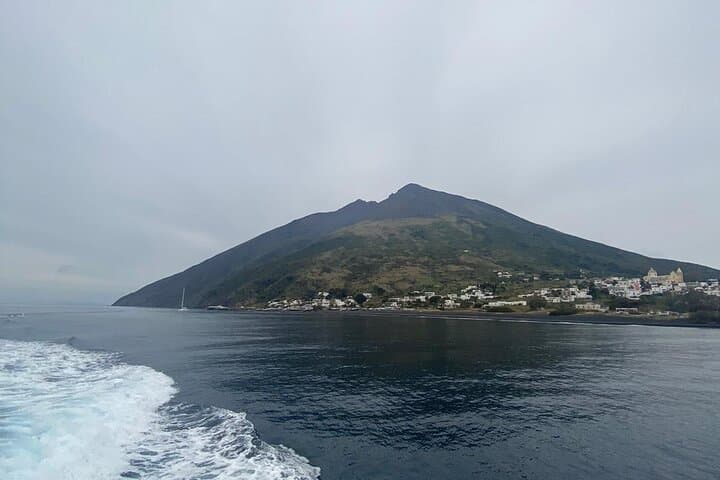
You’ll step onto Lipari’s sun-bleached quays, where pumice and volcanic cliffs tell the islands’ story in stone. Panarea follows with its narrow lanes and whitewashed houses, a small island culture shaped by fishermen and summer visitors. After daylight exploring, the real attraction arrives: Stromboli at night. The volcano’s constant, low rumble and sudden incandescent spatter from the Sciara del Fuoco are geological theater—rocks and fire performing an old, elemental ritual.
Geology and history are inseparable here. The Aeolians are a chain of volcanic cones born from the Tyrrhenian Sea’s fault lines; human settlements grew around fishing, obsidian trade and later, tourism. Local culture centers on seafood, small-vessel seamanship and island rhythms that slow in the shoulder seasons.
Practical guidance: expect an 11–12 hour day aboard a modern boat with toilets, a bar and multilingual guide. Wear sturdy sandals or light walking shoes for cobbled streets and pumice beaches, and bring layers—the wind sharpens after sunset. If you’re prone to seasickness, take medication before boarding and sit midship. Cash is handy for cafés and small shops ashore. The Stromboli night viewing requires patience and steady footing; follow crew instructions and keep flash photography to a minimum to preserve everyone’s sightlines.
This is a long but accessible day that pairs easy island walks with one of Italy’s most dramatic nocturnal volcanic displays.
moderate.
11–12 hours.
Moderate fitness—able to handle multiple short walks on uneven surfaces and a full day on the water.
The tour runs about 11–12 hours; exact departure and return times vary by season and meeting point—check your voucher for the daily schedule.
Stromboli is frequently active, producing regular explosions, but intensity varies—crew provide the safest vantage and timing for night viewing.
Short island walks are family-friendly, but the full day and night return may be tiring; those with heart conditions or limited mobility should consult organizers.
Boats typically have a bar onboard; meals are usually not included so bring snacks or plan to buy food ashore during island stops.
The Aeolian Islands formed from successive volcanic eruptions over millennia; inhabitants traded obsidian in antiquity and later adapted to island fishing and maritime trade.
These islands are part of a protected marine and volcanic area—stay on marked paths, avoid collecting volcanic rock and limit light and noise when viewing volcanic activity to reduce impact.
TRIPODI NAVIGAZIONE operates guided outdoor trips and adventures with an emphasis on safety, stewardship, and memorable experiences.
The motorboat slips from the harbor at first light and the Aeolian sea opens like a long, cool corridor—glittering water pushing you toward islands that still smell of sulphur and salt.
The motorboat slips from the harbor at first light and the Aeolian sea opens like a long, cool corridor—glittering water pushing you toward islands that still smell of sulphur and salt.
You’ll step onto Lipari’s sun-bleached quays, where pumice and volcanic cliffs tell the islands’ story in stone. Panarea follows with its narrow lanes and whitewashed houses, a small island culture shaped by fishermen and summer visitors. After daylight exploring, the real attraction arrives: Stromboli at night. The volcano’s constant, low rumble and sudden incandescent spatter from the Sciara del Fuoco are geological theater—rocks and fire performing an old, elemental ritual.
Geology and history are inseparable here. The Aeolians are a chain of volcanic cones born from the Tyrrhenian Sea’s fault lines; human settlements grew around fishing, obsidian trade and later, tourism. Local culture centers on seafood, small-vessel seamanship and island rhythms that slow in the shoulder seasons.
Practical guidance: expect an 11–12 hour day aboard a modern boat with toilets, a bar and multilingual guide. Wear sturdy sandals or light walking shoes for cobbled streets and pumice beaches, and bring layers—the wind sharpens after sunset. If you’re prone to seasickness, take medication before boarding and sit midship. Cash is handy for cafés and small shops ashore. The Stromboli night viewing requires patience and steady footing; follow crew instructions and keep flash photography to a minimum to preserve everyone’s sightlines.
This is a long but accessible day that pairs easy island walks with one of Italy’s most dramatic nocturnal volcanic displays.