THE ADVENTURE COLLECTIVE® · Independent discovery and booking for outdoor travel

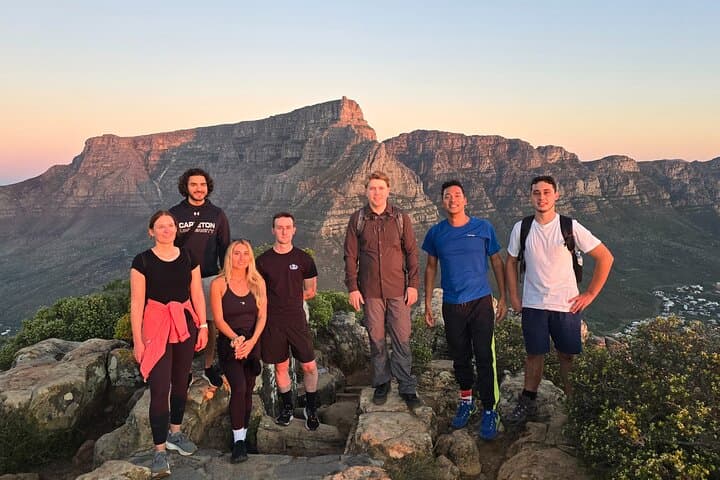
Join a certified local guide for a sunrise or sunset ascent of Lion’s Head, a steep 2.5–3 km hike with exposed scrambling and expansive views over Table Mountain and the Atlantic. This guided mission provides headlamps, summit photos and local insights for a safe, social summit experience.
Join a certified local guide for a sunrise or sunset ascent of Lion’s Head, a steep 2.5–3 km hike with exposed scrambling and expansive views over Table Mountain and the Atlantic. This guided mission provides headlamps, summit photos and local insights for a safe, social summit experience.
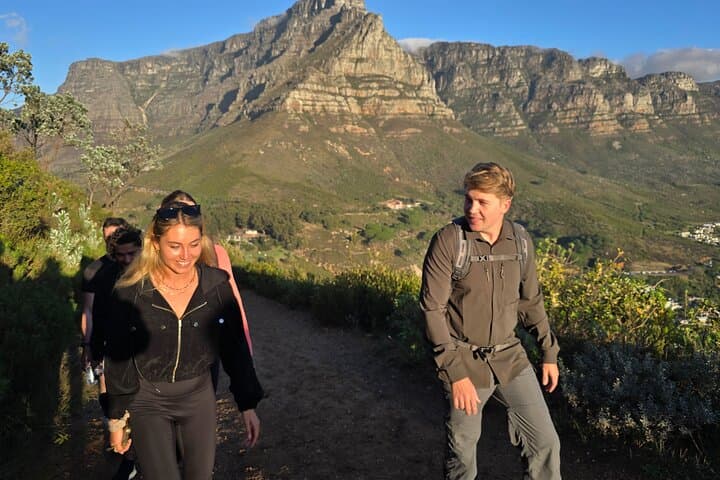
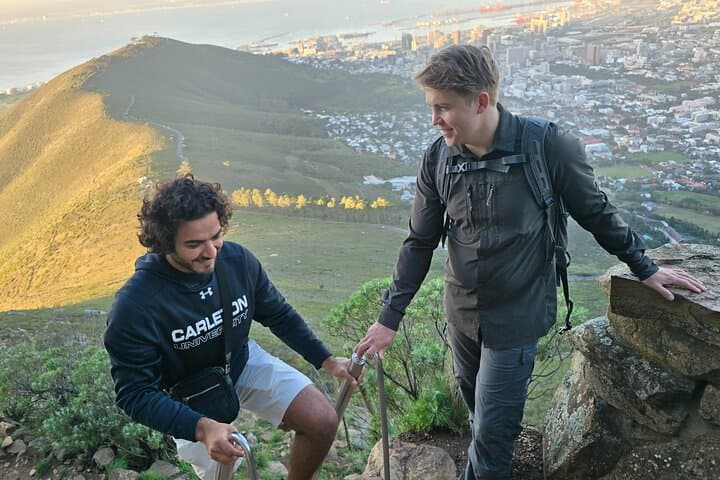
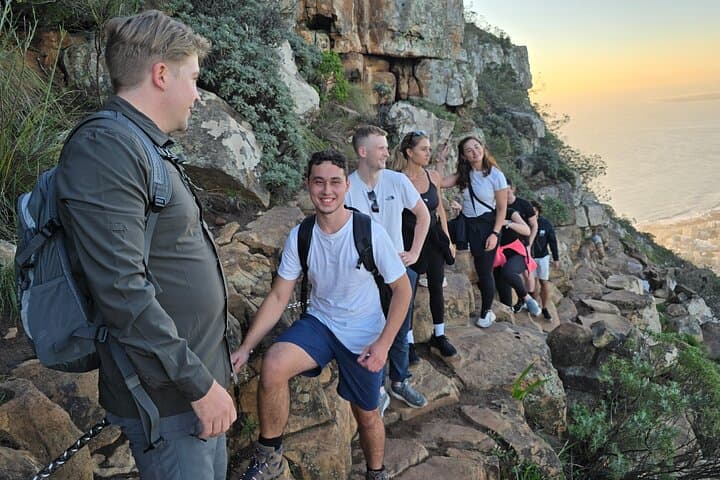
Before the city wakes or after the last light slips away, a small group threads a spiral of rock and shale up Lion’s Head, the ridge that slices the skyline beside Table Mountain. Headlamps cut cones through the dark on sunrise missions; on sunset hikes the Atlantic pulls color across the western horizon as climbers move downward by torchlight. The route alternates carved steps, short ridgelines and exposed scrambling sections that reward every effort with broad views of Camps Bay, Robben Island and the city bowl.
Verified experiences and guided adventures in the surrounding area.
Operated by Lekker Hike Cape Town · Cape Town, Western Cape
Before the city wakes or after the last light slips away, a small group threads a spiral of rock and shale up Lion’s Head, the ridge that slices the skyline beside Table Mountain. Headlamps cut cones through the dark on sunrise missions; on sunset hikes the Atlantic pulls color across the western horizon as climbers move downward by torchlight. The route alternates carved steps, short ridgelines and exposed scrambling sections that reward every effort with broad views of Camps Bay, Robben Island and the city bowl.
Geologically, Lion’s Head is part of the Cape Fold Belt, capped in resistant Table Mountain sandstone that gives the peak its clifftop character. The mountain’s slopes have been used for generations by Khoisan peoples and later as lookout and grazing land; today it’s a living urban ridge where locals exercise and photographers gather. Guides add local context and safety, pointing out landmarks and photographing the summit for the group.
Practical guide: expect roughly 2.5–3 km round-trip with about 350 m of elevation gain; allow 3–4 hours for group logistics and photo stops. Terrain is steep, with chains and iron rungs in places—good footwear, steady balance and moderate fitness are required. Bring at least 1–1.5 liters of water, layered clothing against wind and sudden temperature change, and a charged phone. Sunrise and sunset runs can be chilly and windy; book a guided departure to handle changing light and route-finding, and to ensure a safe return on the darker sections.
moderate.
3–4 hours.
Moderate fitness with ability to handle steep trail and short exposed scrambles; regular walkers can manage with pacing.
The route gains roughly 350 m over a short distance with steep sections and short scrambles; beginners with decent fitness can join a guided hike but should expect exertion and some exposed moves.
Yes—guides typically provide headlamps, but carrying your own is recommended as backup.
Guides may cancel or reschedule in bad weather—strong winds and wet rock increase risk on exposed sections, so check the operator’s policy and dress accordingly.
Groups are kept small (up to about 12); guides commonly take and share digital summit photos via WhatsApp after the hike.
Lion’s Head and the neighboring Table Mountain form part of the Cape Peninsula long used by indigenous groups and later as colonial lookout points; the peak has been a recreational route for Capetonians since the 19th century.
Stick to established paths to avoid trampling fynbos; avoid leaving any waste and support guided operators who practice Leave No Trace principles.
Lekker Hike Cape Town operates guided outdoor trips and adventures with an emphasis on safety, stewardship, and memorable experiences.
Before the city wakes or after the last light slips away, a small group threads a spiral of rock and shale up Lion’s Head, the ridge that slices the skyline beside Table Mountain. Headlamps cut cones through the dark on sunrise missions; on sunset hikes the Atlantic pulls color across the western horizon as climbers move downward by torchlight. The route alternates carved steps, short ridgelines and exposed scrambling sections that reward every effort with broad views of Camps Bay, Robben Island and the city bowl.
Before the city wakes or after the last light slips away, a small group threads a spiral of rock and shale up Lion’s Head, the ridge that slices the skyline beside Table Mountain. Headlamps cut cones through the dark on sunrise missions; on sunset hikes the Atlantic pulls color across the western horizon as climbers move downward by torchlight. The route alternates carved steps, short ridgelines and exposed scrambling sections that reward every effort with broad views of Camps Bay, Robben Island and the city bowl.
Geologically, Lion’s Head is part of the Cape Fold Belt, capped in resistant Table Mountain sandstone that gives the peak its clifftop character. The mountain’s slopes have been used for generations by Khoisan peoples and later as lookout and grazing land; today it’s a living urban ridge where locals exercise and photographers gather. Guides add local context and safety, pointing out landmarks and photographing the summit for the group.
Practical guide: expect roughly 2.5–3 km round-trip with about 350 m of elevation gain; allow 3–4 hours for group logistics and photo stops. Terrain is steep, with chains and iron rungs in places—good footwear, steady balance and moderate fitness are required. Bring at least 1–1.5 liters of water, layered clothing against wind and sudden temperature change, and a charged phone. Sunrise and sunset runs can be chilly and windy; book a guided departure to handle changing light and route-finding, and to ensure a safe return on the darker sections.