THE ADVENTURE COLLECTIVE® · Independent discovery and booking for outdoor travel

A guided Lion’s Head hike from central Cape Town pairs a hotel pick-up with a 360° summit experience over Table Mountain and the Atlantic. Expect steep switchbacks, short scrambles, and panoramic viewpoints—ideal for sunrise or full-moon climbs.
A guided Lion’s Head hike from central Cape Town pairs a hotel pick-up with a 360° summit experience over Table Mountain and the Atlantic. Expect steep switchbacks, short scrambles, and panoramic viewpoints—ideal for sunrise or full-moon climbs.
You leave your Cape Town hotel while the city is still rubbing sleep from its shoulders, the car easing through streets that slope toward the ocean. As the driver winds toward Signal Hill, the silhouette of Lion’s Head rises—compact and sharp—beckoning with stairs, rock bands, and patches of fynbos that lean into the wind. The trail climbs quickly; the city below shrinks into a patchwork of roofs, Table Mountain broad and immovable to the east, the Atlantic daring you with its pale blue sweep.
Verified experiences and guided adventures in the surrounding area.
Operated by Trip Tastic Tour · Cape Town, Western Cape
You leave your Cape Town hotel while the city is still rubbing sleep from its shoulders, the car easing through streets that slope toward the ocean. As the driver winds toward Signal Hill, the silhouette of Lion’s Head rises—compact and sharp—beckoning with stairs, rock bands, and patches of fynbos that lean into the wind. The trail climbs quickly; the city below shrinks into a patchwork of roofs, Table Mountain broad and immovable to the east, the Atlantic daring you with its pale blue sweep.
Lion’s Head sits on the Cape Peninsula’s sandstone ridge, a visible chapter in the region’s geology where Table Mountain Sandstone overlies older granites. The peak has been a nautical landmark for centuries and today is threaded into Cape Town culture—popular for sunrise, sunset, and full-moon hikes that pull locals and visitors alike outside. Indigenous fynbos colors the slope and rock hyraxes (dassies) inspect passing hikers like awkward hosts.
Practical guidance is straightforward: allow about 4–5 hours for pickup, ascent, summit time, and return to your hotel; expect steep sections, short exposed scrambles and chains near the top. Start early to avoid midday heat, bring at least 1–2 liters of water, sturdy shoes with grip, sun protection, and a compact wind layer. Keep to the marked trail to protect fragile vegetation and reduce erosion; if you’re joining a guided private tour, rely on the guide for route choices and timing. On summit, give yourself time to look—the city, the ocean, the mountain—all press in close, making the effort feel earned.
moderate.
4–5 hours (hotel pickup to drop-off).
Good aerobic fitness and comfortable with sustained uphill walking and short scrambling required near summit
Expect about 60–90 minutes to ascend depending on fitness and pace; allow extra time for photos and summit views.
The route is popular and well-marked, but it includes steep sections and short exposed scrambles; beginners in good health can do it with care or by joining a guided tour.
No—there are no restrooms or water taps on the trail, so plan accordingly.
Yes—full-moon and sunrise hikes are common, but night hikes require headlamps, careful footing, and ideally a guide or experienced companion.
Lion’s Head has served as a navigational landmark for sailors for centuries and forms part of Table Mountain National Park, which conserves the unique Cape Floristic Region.
Stick to marked paths to protect fragile fynbos and reduce erosion; avoid feeding wildlife and pack out any trash to support local conservation efforts.
Trip Tastic Tour operates guided outdoor trips and adventures with an emphasis on safety, stewardship, and memorable experiences.

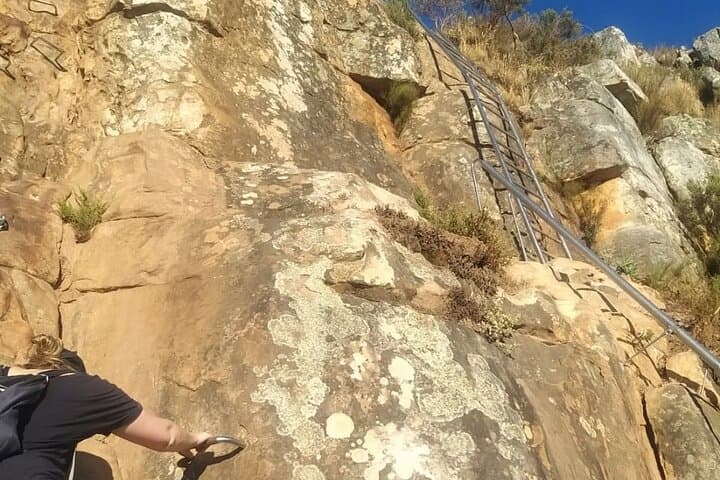

You leave your Cape Town hotel while the city is still rubbing sleep from its shoulders, the car easing through streets that slope toward the ocean. As the driver winds toward Signal Hill, the silhouette of Lion’s Head rises—compact and sharp—beckoning with stairs, rock bands, and patches of fynbos that lean into the wind. The trail climbs quickly; the city below shrinks into a patchwork of roofs, Table Mountain broad and immovable to the east, the Atlantic daring you with its pale blue sweep.
You leave your Cape Town hotel while the city is still rubbing sleep from its shoulders, the car easing through streets that slope toward the ocean. As the driver winds toward Signal Hill, the silhouette of Lion’s Head rises—compact and sharp—beckoning with stairs, rock bands, and patches of fynbos that lean into the wind. The trail climbs quickly; the city below shrinks into a patchwork of roofs, Table Mountain broad and immovable to the east, the Atlantic daring you with its pale blue sweep.
Lion’s Head sits on the Cape Peninsula’s sandstone ridge, a visible chapter in the region’s geology where Table Mountain Sandstone overlies older granites. The peak has been a nautical landmark for centuries and today is threaded into Cape Town culture—popular for sunrise, sunset, and full-moon hikes that pull locals and visitors alike outside. Indigenous fynbos colors the slope and rock hyraxes (dassies) inspect passing hikers like awkward hosts.
Practical guidance is straightforward: allow about 4–5 hours for pickup, ascent, summit time, and return to your hotel; expect steep sections, short exposed scrambles and chains near the top. Start early to avoid midday heat, bring at least 1–2 liters of water, sturdy shoes with grip, sun protection, and a compact wind layer. Keep to the marked trail to protect fragile vegetation and reduce erosion; if you’re joining a guided private tour, rely on the guide for route choices and timing. On summit, give yourself time to look—the city, the ocean, the mountain—all press in close, making the effort feel earned.