THE ADVENTURE COLLECTIVE® · Independent discovery and booking for outdoor travel

A steep, spiral route with ladders and chains, Lion’s Head rewards early-risers with 360° panoramas over Cape Town, Table Mountain and the Atlantic. This practical guide covers what to expect, how to prepare, and when to go.
A steep, spiral route with ladders and chains, Lion’s Head rewards early-risers with 360° panoramas over Cape Town, Table Mountain and the Atlantic. This practical guide covers what to expect, how to prepare, and when to go.
You start in the dark, headlamp beam cutting a narrow path through low scrub as the city hums below. The trail snakes up a conical ridge, the Atlantic breeze nudging you around each exposed bend. By the time light breaks, the route has unfurled into full 360-degree views: Table Mountain’s flanks, Robben Island’s silhouette, Camps Bay’s curve and the white of Table Bay.
Verified experiences and guided adventures in the surrounding area.
Operated by OTC Adventures Pty Ltd · Cape Town, Western Cape
You start in the dark, headlamp beam cutting a narrow path through low scrub as the city hums below. The trail snakes up a conical ridge, the Atlantic breeze nudging you around each exposed bend. By the time light breaks, the route has unfurled into full 360-degree views: Table Mountain’s flanks, Robben Island’s silhouette, Camps Bay’s curve and the white of Table Bay.
Lion’s Head sits at 669m above sea level and was formed by the same Cape Fold Belt geology that created Table Mountain—hard sandstones stacked on softer shales—so the trail alternates solid rock steps and looser scree. The route spirals around the peak, and the final sections include ladders, chains and staples that require steady footing and a head for heights; these metal aids date to early conservation and trail improvements aimed at safer public access.
Locals prize the sunrise ascent for the angle of light across the city, while evenings attract photographers chasing golden-hour panoramas. Cultural memory here is layered: the mountain was significant to indigenous Khoikhoi people and later became a recreational landmark for Cape Town’s residents.
Practically, plan for 2–3 hours round-trip, wear grippy footwear and carry water and wind protection. Start early to avoid mid-day winds and crowds; guides often provide bottled water, snacks and city-center pickup. Be prepared for rapid weather shifts—cloud can roll off Table Mountain and hide routes. Respect trail etiquette, stick to established paths and pack out litter. The ridge rewards a steady pace: short, exposed challenges punctuate long, panoramic breaths of air.
moderate.
2–3 hours.
Moderate cardio and leg strength; comfortable with short exposed scrambles and stairs
Expect 2–3 hours round-trip with roughly 669m summit elevation; the trail is short but steep with exposed sections, so it’s moderately strenuous.
They are short, fixed aids that assist in exposed sections; they require sure-footedness and basic scrambling confidence but no technical climbing gear.
Many guided departures include bottled water, a snack, headlamps if required, and city-center pickup and drop-off within the immediate surrounds.
Sunrise is the most popular for light and calmer crowds; late afternoon offers golden-hour views but can be windier and busier on weekends.
Lion’s Head and Table Mountain form part of the Cape Fold Belt; the area has long been important to local Khoikhoi communities and later became a focal point for recreational climbing and conservation efforts.
Stick to marked trails to protect fragile fynbos vegetation; avoid feeding wildlife and remove all litter—fynbos recovers slowly from trampling and fire.
OTC Adventures Pty Ltd operates guided outdoor trips and adventures with an emphasis on safety, stewardship, and memorable experiences.
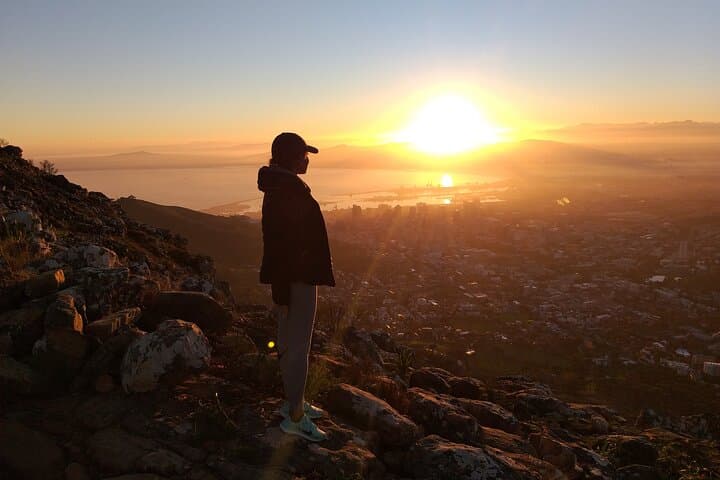
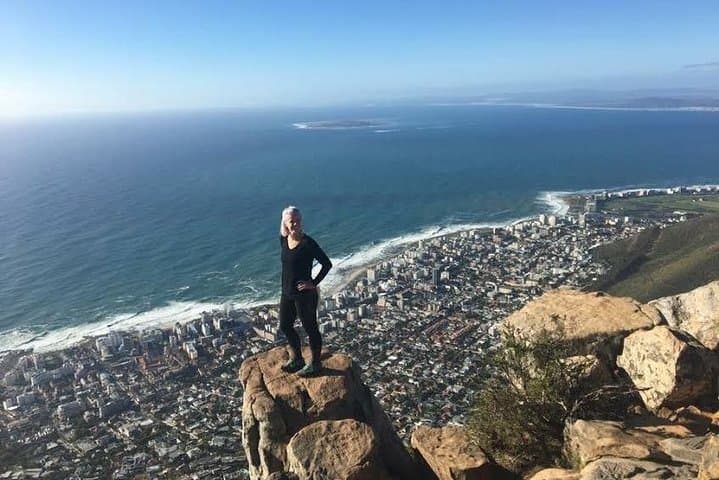
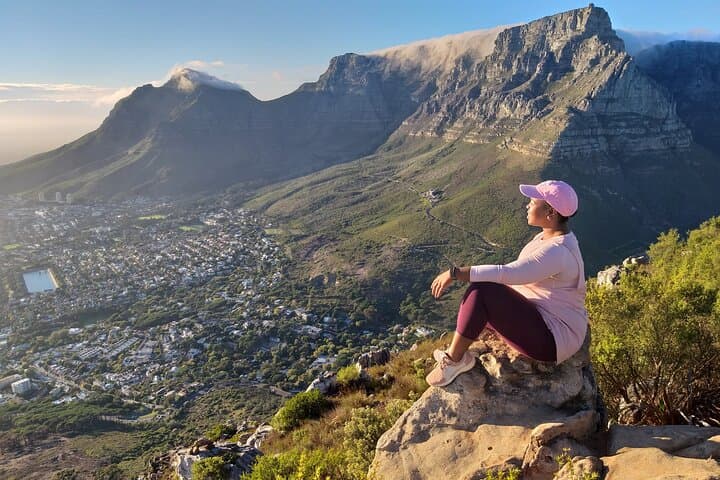
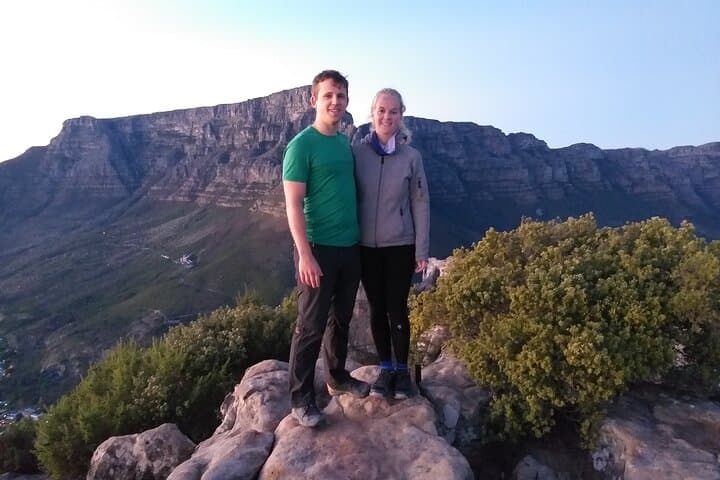
You start in the dark, headlamp beam cutting a narrow path through low scrub as the city hums below. The trail snakes up a conical ridge, the Atlantic breeze nudging you around each exposed bend. By the time light breaks, the route has unfurled into full 360-degree views: Table Mountain’s flanks, Robben Island’s silhouette, Camps Bay’s curve and the white of Table Bay.
You start in the dark, headlamp beam cutting a narrow path through low scrub as the city hums below. The trail snakes up a conical ridge, the Atlantic breeze nudging you around each exposed bend. By the time light breaks, the route has unfurled into full 360-degree views: Table Mountain’s flanks, Robben Island’s silhouette, Camps Bay’s curve and the white of Table Bay.
Lion’s Head sits at 669m above sea level and was formed by the same Cape Fold Belt geology that created Table Mountain—hard sandstones stacked on softer shales—so the trail alternates solid rock steps and looser scree. The route spirals around the peak, and the final sections include ladders, chains and staples that require steady footing and a head for heights; these metal aids date to early conservation and trail improvements aimed at safer public access.
Locals prize the sunrise ascent for the angle of light across the city, while evenings attract photographers chasing golden-hour panoramas. Cultural memory here is layered: the mountain was significant to indigenous Khoikhoi people and later became a recreational landmark for Cape Town’s residents.
Practically, plan for 2–3 hours round-trip, wear grippy footwear and carry water and wind protection. Start early to avoid mid-day winds and crowds; guides often provide bottled water, snacks and city-center pickup. Be prepared for rapid weather shifts—cloud can roll off Table Mountain and hide routes. Respect trail etiquette, stick to established paths and pack out litter. The ridge rewards a steady pace: short, exposed challenges punctuate long, panoramic breaths of air.