THE ADVENTURE COLLECTIVE® · Independent discovery and booking for outdoor travel

Summit Lion Head at sunrise or sunset with a certified guide for panoramic Cape Town views. This guided hike combines short exposed scrambles, clear viewpoints, and practical local expertise for a memorable golden-hour climb.
Summit Lion Head at sunrise or sunset with a certified guide for panoramic Cape Town views. This guided hike combines short exposed scrambles, clear viewpoints, and practical local expertise for a memorable golden-hour climb.
You push off into the dim pre-dawn and the city lights peel away beneath you as Lion Head’s ridgeline rises into cold air. At sunrise the ocean sharpens from grey to blue; at sunset the western flank burns orange, and the Atlantic seems to dare you to look away. Guided groups move at a steady, deliberate pace—there’s time for quiet and for the camera.
Verified experiences and guided adventures in the surrounding area.
Operated by Peak Perspectives Adventure Guides · Cape Town, Western Cape
You push off into the dim pre-dawn and the city lights peel away beneath you as Lion Head’s ridgeline rises into cold air. At sunrise the ocean sharpens from grey to blue; at sunset the western flank burns orange, and the Atlantic seems to dare you to look away. Guided groups move at a steady, deliberate pace—there’s time for quiet and for the camera.
Lion Head sits on the rim of the Cape Peninsula’s ancient sandstone outcrops, a remnant of Table Mountain’s long geological story of folded sediments and resistant quartzitic layers. The hill has cultural ties to Cape Town’s early trekboer routes and later became a favored lookout for both locals and sailors navigating Table Bay; today it’s a communal ritual for fitness and photographers.
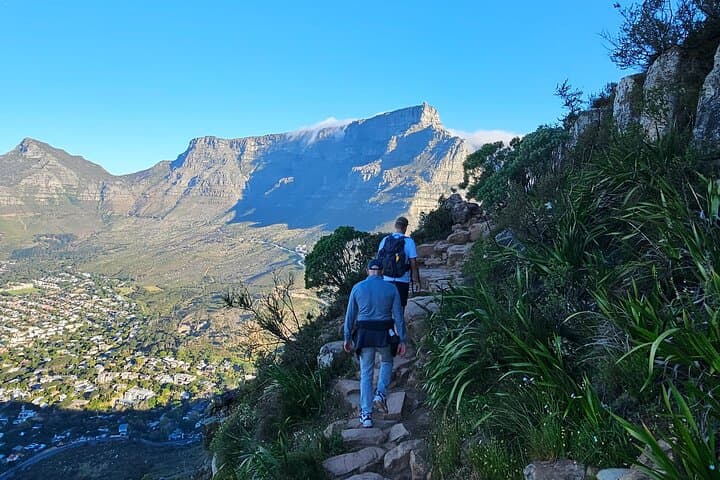
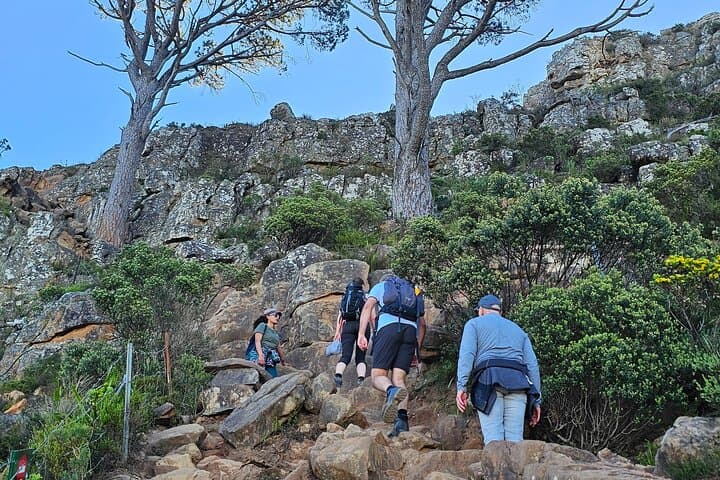
The trail is a mix of groomed paths, stone steps and short exposed scrambles; iron chains and ladders help negotiate the final ribs. Expect 2–3 kilometers of ascent with roughly 250–300m of elevation gain depending on route, and clear 360° views that include Table Mountain, Camps Bay and Robben Island on clear days.
Practical: book sunrise if you want calmer winds and softer light; sunset offers warmer temperatures but can be busier and requires reliable headlamps for the return. Wear grippy shoes, bring 1–1.5 liters of water, a wind layer and a charged phone for the shared location pin. Guides provide headlamps, route choice and local insight—listen to their pacing and stick close on exposed sections. Aim to arrive early for parking, and respect path etiquette: single-file on narrow scrambles and pack out any waste.
moderate.
3–4 hours.
Good for travelers with a moderate fitness level; you should be comfortable on uneven ground and short steep sections.
Most guided outings take about 3 hours round-trip with roughly 250–300m of elevation gain, depending on route and group pace.
No technical climbing is required, but the trail includes short exposed scrambles and iron chain sections—comfortable balance and steady footing are important.
Sunrise usually has calmer winds and fewer people; sunset offers warmer light but can be busier and requires reliable lighting for the descent.
Operators typically cancel for high winds, heavy rain or poor visibility and issue refunds if canceled at least 24 hours ahead per the booking policy.
Lion Head is part of the Table Mountain Sandstone formation and has long been used as a lookout and informal gathering spot by local communities.
Stay on marked paths to protect fragile fynbos vegetation; carry out all waste and avoid trampling regrowth on narrow slopes.
Peak Perspectives Adventure Guides operates guided outdoor trips and adventures with an emphasis on safety, stewardship, and memorable experiences.

You push off into the dim pre-dawn and the city lights peel away beneath you as Lion Head’s ridgeline rises into cold air. At sunrise the ocean sharpens from grey to blue; at sunset the western flank burns orange, and the Atlantic seems to dare you to look away. Guided groups move at a steady, deliberate pace—there’s time for quiet and for the camera.
You push off into the dim pre-dawn and the city lights peel away beneath you as Lion Head’s ridgeline rises into cold air. At sunrise the ocean sharpens from grey to blue; at sunset the western flank burns orange, and the Atlantic seems to dare you to look away. Guided groups move at a steady, deliberate pace—there’s time for quiet and for the camera.
Lion Head sits on the rim of the Cape Peninsula’s ancient sandstone outcrops, a remnant of Table Mountain’s long geological story of folded sediments and resistant quartzitic layers. The hill has cultural ties to Cape Town’s early trekboer routes and later became a favored lookout for both locals and sailors navigating Table Bay; today it’s a communal ritual for fitness and photographers.
The trail is a mix of groomed paths, stone steps and short exposed scrambles; iron chains and ladders help negotiate the final ribs. Expect 2–3 kilometers of ascent with roughly 250–300m of elevation gain depending on route, and clear 360° views that include Table Mountain, Camps Bay and Robben Island on clear days.
Practical: book sunrise if you want calmer winds and softer light; sunset offers warmer temperatures but can be busier and requires reliable headlamps for the return. Wear grippy shoes, bring 1–1.5 liters of water, a wind layer and a charged phone for the shared location pin. Guides provide headlamps, route choice and local insight—listen to their pacing and stick close on exposed sections. Aim to arrive early for parking, and respect path etiquette: single-file on narrow scrambles and pack out any waste.