THE ADVENTURE COLLECTIVE® · Independent discovery and booking for outdoor travel

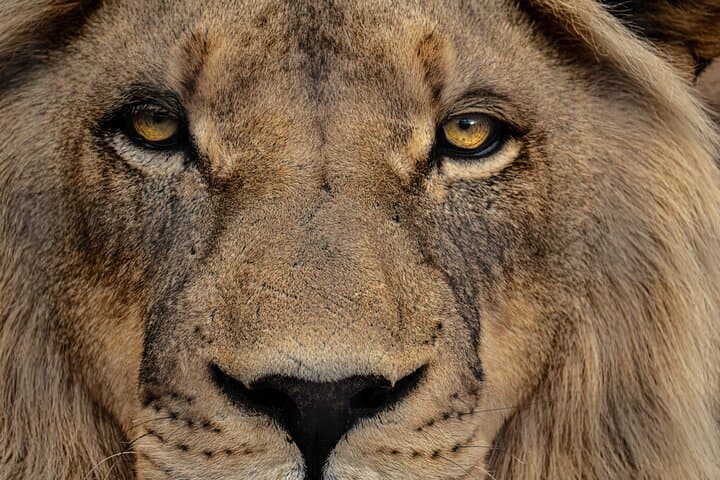
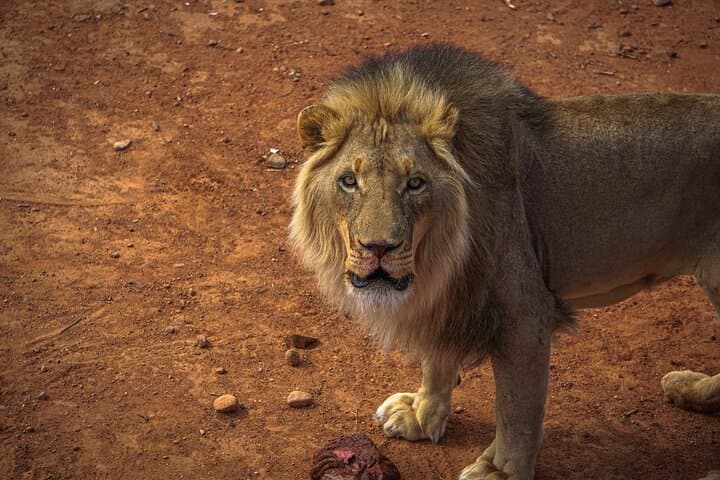
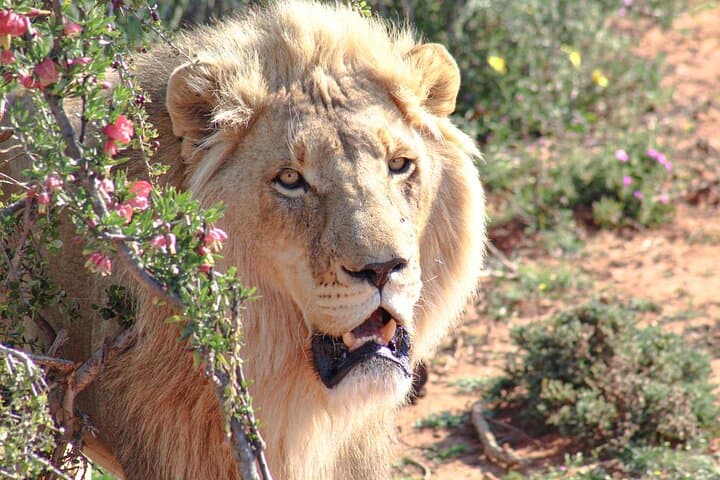
Watch Shumba, Tonga and Safia up close from an elevated hide at Buffelsdrift. This 90-minute educational feeding gives clear interpretation about lion behavior while supporting local conservation and schools.
Watch Shumba, Tonga and Safia up close from an elevated hide at Buffelsdrift. This 90-minute educational feeding gives clear interpretation about lion behavior while supporting local conservation and schools.
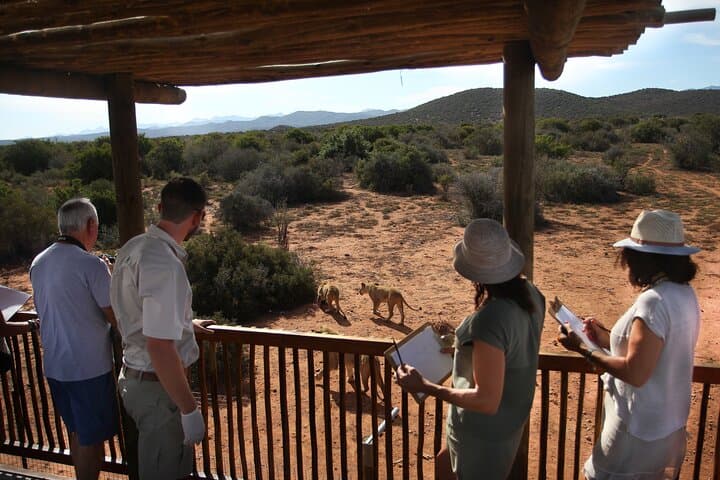
You step onto the raised viewing platform and the dry Karoo air shifts; lions below lift their heads as if called by an old rhythm. The cage is five hectares—enough for the three young lions, Shumba, Tonga and Safia, to move with deliberate ease—and a trained ranger arranges the feed while the animals circle and scent the wind.
Verified experiences and guided adventures in the surrounding area.
Operated by Buffelsdrift Game Lodge - Activities · Oudtshoorn, Western Cape
You step onto the raised viewing platform and the dry Karoo air shifts; lions below lift their heads as if called by an old rhythm. The cage is five hectares—enough for the three young lions, Shumba, Tonga and Safia, to move with deliberate ease—and a trained ranger arranges the feed while the animals circle and scent the wind.
The enclosure sits on land that reflects the Western Cape’s layered history: former game-farm plots reshaped into conservation-minded tourism spots after years of local land-use change. The geology here is hardpan and scrub, a landscape shaped by sparse rain and wide horizons where the sun pulls long shadows at dusk. Culturally, the activity ties to community support—the experience helps fund local schools—and to the broader South African debate over captive-bred big cats.
Expect an intimate, educational encounter rather than a wild safari. Rangers explain lion behavior, social structure and why these animals, raised in captivity, cannot be released. Photography is a major draw; the elevated platform gives unobstructed sightlines and safety for visitors.
Practicalities: the experience runs about 90 minutes, often mid-morning or late afternoon to match lion feeding times. Wear closed-toe shoes and sun protection; bring a camera with a mid-telephoto lens for tight headshots. Mobility access is generally good, but loud noises and sudden movement can startle the animals—keep a respectful distance and follow ranger instructions. If conservation and responsible viewing matter to you, this is a focused, accessible wildlife encounter that pairs close observation with clear educational context.
easy.
1.5 hours.
Minimal fitness required—most of the experience is viewing from a platform and short vehicle transfers
No; viewing is from an elevated, secure platform while a trained ranger conducts the feeding—no direct contact with the lions is permitted.
Yes—strollers and wheelchairs are accommodated, but infants should sit on laps; loud noises or sudden movements may frighten young children.
The experience lasts about 90 minutes and beverages are typically provided as part of the visit.
Photography is encouraged but follow ranger guidelines—no flash and maintain a respectful distance for safety and welfare.
The lions were moved to the larger Buffelsdrift enclosure to provide more space than their original game-farm birthplace; they were born in captivity and are part of a program that channels revenue back into local schools.
A portion of proceeds supports conservation programs and community education; visitors should prioritize facilities that operate transparently and follow welfare standards.
Buffelsdrift Game Lodge - Activities operates guided outdoor trips and adventures with an emphasis on safety, stewardship, and memorable experiences.
You step onto the raised viewing platform and the dry Karoo air shifts; lions below lift their heads as if called by an old rhythm. The cage is five hectares—enough for the three young lions, Shumba, Tonga and Safia, to move with deliberate ease—and a trained ranger arranges the feed while the animals circle and scent the wind.
You step onto the raised viewing platform and the dry Karoo air shifts; lions below lift their heads as if called by an old rhythm. The cage is five hectares—enough for the three young lions, Shumba, Tonga and Safia, to move with deliberate ease—and a trained ranger arranges the feed while the animals circle and scent the wind.
The enclosure sits on land that reflects the Western Cape’s layered history: former game-farm plots reshaped into conservation-minded tourism spots after years of local land-use change. The geology here is hardpan and scrub, a landscape shaped by sparse rain and wide horizons where the sun pulls long shadows at dusk. Culturally, the activity ties to community support—the experience helps fund local schools—and to the broader South African debate over captive-bred big cats.
Expect an intimate, educational encounter rather than a wild safari. Rangers explain lion behavior, social structure and why these animals, raised in captivity, cannot be released. Photography is a major draw; the elevated platform gives unobstructed sightlines and safety for visitors.
Practicalities: the experience runs about 90 minutes, often mid-morning or late afternoon to match lion feeding times. Wear closed-toe shoes and sun protection; bring a camera with a mid-telephoto lens for tight headshots. Mobility access is generally good, but loud noises and sudden movement can startle the animals—keep a respectful distance and follow ranger instructions. If conservation and responsible viewing matter to you, this is a focused, accessible wildlife encounter that pairs close observation with clear educational context.