THE ADVENTURE COLLECTIVE® · Independent discovery and booking for outdoor travel

Cycle from Venice to Lio Piccolo and Treporti for close encounters with flamingos and dozens of other lagoon birds. This five-hour bike-and-boat tour pairs easy riding with expert natural interpretation along tidal channels and salt flats.
Cycle from Venice to Lio Piccolo and Treporti for close encounters with flamingos and dozens of other lagoon birds. This five-hour bike-and-boat tour pairs easy riding with expert natural interpretation along tidal channels and salt flats.
A morning begins at Fondamente Nuove where the city’s stone and water blur; a vaporetto slips north through a patchwork of islands and reedbeds until the boat eases into Treporti and the bikes are waiting. Pedaling out across low causeways, riders move between salt channels and cultivated plots while waders and terns punctuate the horizon. The lagoon here feels alive: tidal channels carve the mud, wind pushes the shallow water, and flamingos stalk the shallows with deliberate, filtering steps.
Verified experiences and guided adventures in the surrounding area.
Operated by deTourist Venice Valerio Coppo · Treporti (Cavallino-Treporti), Veneto
A morning begins at Fondamente Nuove where the city’s stone and water blur; a vaporetto slips north through a patchwork of islands and reedbeds until the boat eases into Treporti and the bikes are waiting. Pedaling out across low causeways, riders move between salt channels and cultivated plots while waders and terns punctuate the horizon. The lagoon here feels alive: tidal channels carve the mud, wind pushes the shallow water, and flamingos stalk the shallows with deliberate, filtering steps.
This stretch of the Venetian Lagoon carries layers of human and natural history. Centuries of salt harvesting, fishing valleys (valli da pesca), and small-scale agriculture shaped the low islands; today those practices coexist with important bird habitat. Geology is subtle — sandbanks, mudflats and silty marshes formed by river sediment and Adriatic tides — but decisive for where birds feed and rest.
Locals still fish by hand, and small hamlets reflect a culture tied to tides and seasons. Guides on this route focus on species identification and the lagoon’s working landscape, pointing out how fish ponds and reed beds support both people and wildlife.
Practical guidance: plan for roughly a 5-hour excursion including water-bus transfer. Start early for cooler temperatures and best bird activity. Bring sun protection, a full water bottle, and binoculars; wear closed shoes suitable for light gravel and paved paths. Helmets and bike rental are arranged at Treporti; e-bikes and tandems are often available for an additional fee. Be prepared for changing weather — a light rain shell packs small but matters. This ride is accessible to most riders who can handle long flat distances and basic bike handling.
easy.
4–5 hours.
Suitable for riders with basic cycling fitness able to pedal flat terrain for several hours; e-bikes available to reduce effort.
No — bikes are provided at Treporti and can include city bikes, tandems or e-bikes; confirm e-bike availability and extra cost when booking.
Very likely in many months—hundreds to thousands of flamingos use the northern lagoon, and guided vantage points increase viewing success.
Yes — the route is flat and family-friendly; tandems and e-bikes are options for those less confident on a bike.
Spring and autumn offer strong migration and breeding activity; winter still provides good chances to see resident flamingos and fewer crowds.
The northern lagoon’s landscape reflects centuries of saltworks, fishing valleys and small-scale agriculture that shaped island use and species habitats.
The lagoon is a protected mosaic of habitats; follow guide instructions to avoid disturbing feeding birds and stick to marked paths to limit erosion and trampling.
deTourist Venice Valerio Coppo operates guided outdoor trips and adventures with an emphasis on safety, stewardship, and memorable experiences.
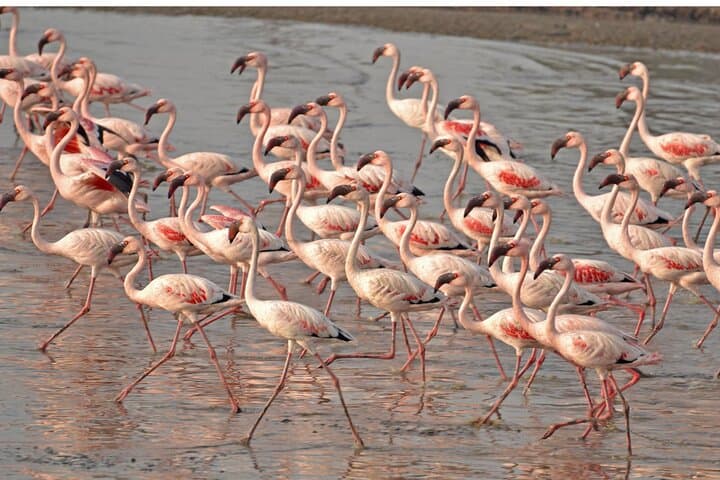
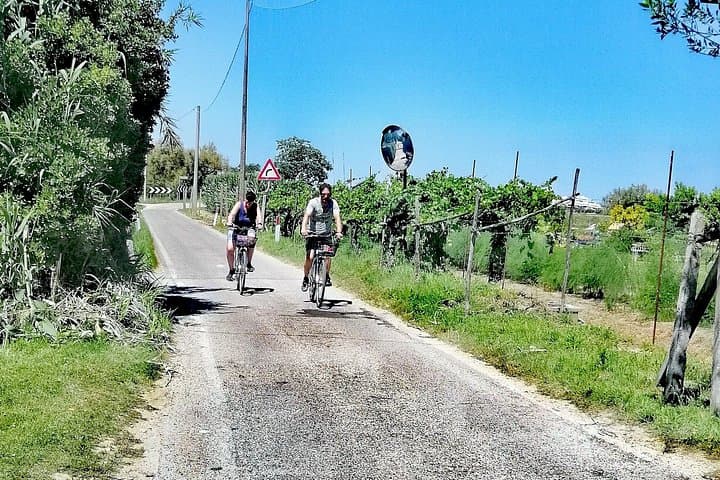
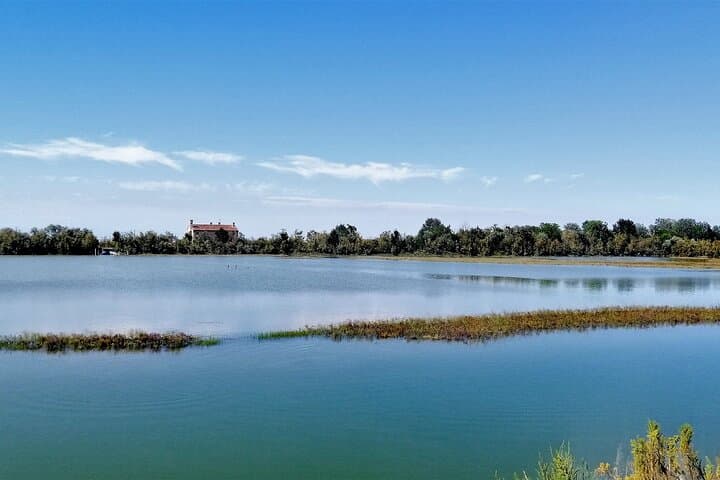
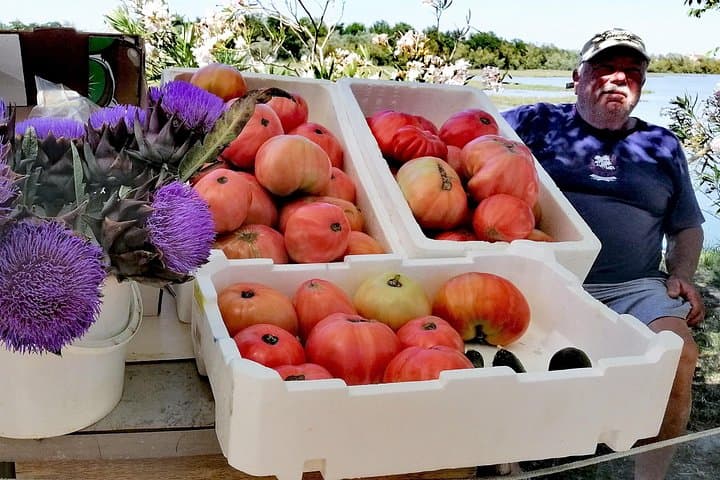
A morning begins at Fondamente Nuove where the city’s stone and water blur; a vaporetto slips north through a patchwork of islands and reedbeds until the boat eases into Treporti and the bikes are waiting. Pedaling out across low causeways, riders move between salt channels and cultivated plots while waders and terns punctuate the horizon. The lagoon here feels alive: tidal channels carve the mud, wind pushes the shallow water, and flamingos stalk the shallows with deliberate, filtering steps.
A morning begins at Fondamente Nuove where the city’s stone and water blur; a vaporetto slips north through a patchwork of islands and reedbeds until the boat eases into Treporti and the bikes are waiting. Pedaling out across low causeways, riders move between salt channels and cultivated plots while waders and terns punctuate the horizon. The lagoon here feels alive: tidal channels carve the mud, wind pushes the shallow water, and flamingos stalk the shallows with deliberate, filtering steps.
This stretch of the Venetian Lagoon carries layers of human and natural history. Centuries of salt harvesting, fishing valleys (valli da pesca), and small-scale agriculture shaped the low islands; today those practices coexist with important bird habitat. Geology is subtle — sandbanks, mudflats and silty marshes formed by river sediment and Adriatic tides — but decisive for where birds feed and rest.
Locals still fish by hand, and small hamlets reflect a culture tied to tides and seasons. Guides on this route focus on species identification and the lagoon’s working landscape, pointing out how fish ponds and reed beds support both people and wildlife.
Practical guidance: plan for roughly a 5-hour excursion including water-bus transfer. Start early for cooler temperatures and best bird activity. Bring sun protection, a full water bottle, and binoculars; wear closed shoes suitable for light gravel and paved paths. Helmets and bike rental are arranged at Treporti; e-bikes and tandems are often available for an additional fee. Be prepared for changing weather — a light rain shell packs small but matters. This ride is accessible to most riders who can handle long flat distances and basic bike handling.