THE ADVENTURE COLLECTIVE® · Independent discovery and booking for outdoor travel

A full‑day private trip from Shanghai that pairs the monumental Lingshan Grand Buddha on Lake Tai with the cinematic Three Kingdoms City film set in Wuxi. Expect high‑speed trains, paved walking, and a mix of sacred architecture and staged history.
A full‑day private trip from Shanghai that pairs the monumental Lingshan Grand Buddha on Lake Tai with the cinematic Three Kingdoms City film set in Wuxi. Expect high‑speed trains, paved walking, and a mix of sacred architecture and staged history.
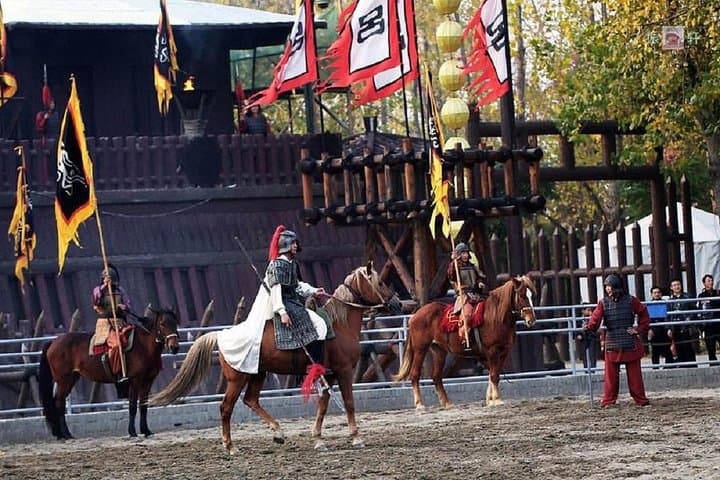
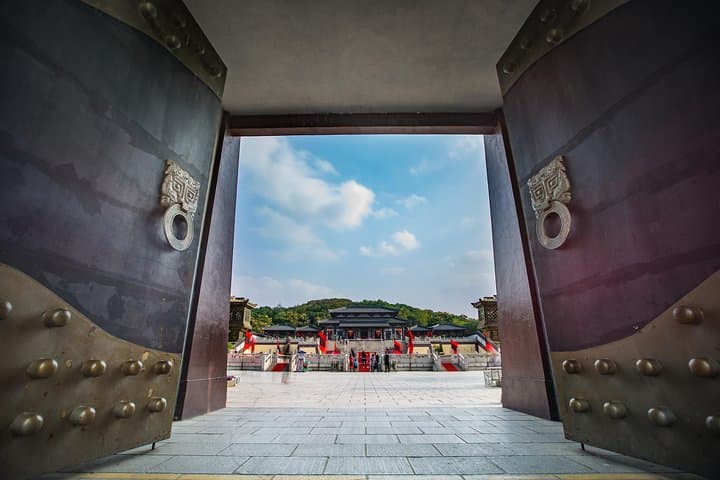
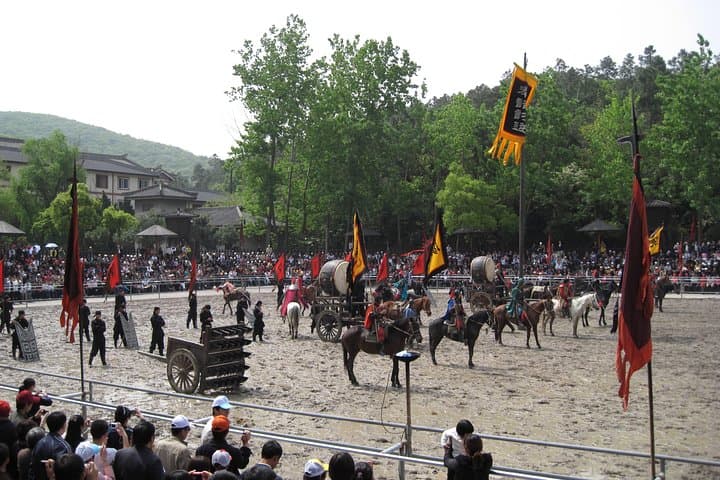
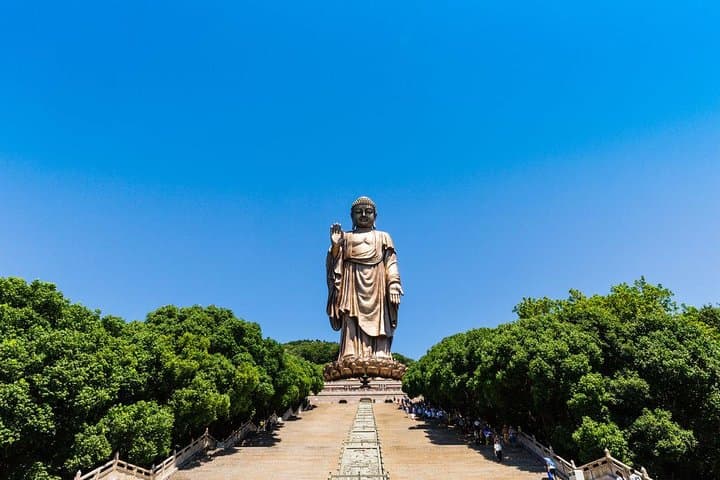
Stepping off the bullet train outside Wuxi, the air opens to wide lake horizons and a procession of temple roofs. The Lingshan Grand Buddha dominates the skyline—a colossal bronze figure that draws visitors along a landscaped approach of ponds, sculptures and ceremonial halls. Later the day moves into a different kind of stagecraft: Three Kingdoms City, a film-set town where stone gates, watchtowers and reconstructed streets recreate the tumult of third‑century China.
Verified experiences and guided adventures in the surrounding area.
Operated by Shanghai Advisor Tour · Wuxi, Jiangsu
Stepping off the bullet train outside Wuxi, the air opens to wide lake horizons and a procession of temple roofs. The Lingshan Grand Buddha dominates the skyline—a colossal bronze figure that draws visitors along a landscaped approach of ponds, sculptures and ceremonial halls. Later the day moves into a different kind of stagecraft: Three Kingdoms City, a film-set town where stone gates, watchtowers and reconstructed streets recreate the tumult of third‑century China.
The Lingshan site sits on the western edge of Lake Tai (Taihu), a shallow, limestone‑framed lake whose sediments and karst hills shaped local settlement patterns for millennia. The Buddha complex and nearby Brahma Palace are modern projects—largely late 20th‑century constructions—designed to celebrate Buddhist art while tapping into long regional traditions of lakeside culture. Three Kingdoms City was built for historical television production and functions now as both studio and immersive museum, blending costume performances with architecture inspired by the Romance of the Three Kingdoms era.
Practical planning is straightforward but full day: expect about 11 hours door‑to‑door from Shanghai, round‑trip high‑speed rail, and a few miles of walking across paved plazas and stairways. Comfortable shoes are essential; spare water and sun protection matter most in summer. Photography is allowed in most outdoor areas, but large bags and drone use may be restricted. Lunch is typically at a local restaurant included with the tour, offering Jiangsu specialties.
Timing your visit for weekday mornings reduces crowds at the Buddha; allow extra time for stair climbs and for the staged performances at Three Kingdoms City. The day pairs cultural immersion with accessible outdoor movement—good for travelers who want cinematic history and landmark views without technical hiking.
moderate.
Approx. 11 hours.
Suitable for travelers comfortable with a full day of walking, stairs, and quick transfers; moderate stamina required
Yes—round‑trip second‑class high‑speed rail tickets between Shanghai and Wuxi are included; upgrades can be requested.
Expect a few miles of mostly paved walking plus stair climbs at the Buddha complex; terrain is non‑technical but can be tiring over a long day.
Lunch at a local restaurant is included in the itinerary; other meals and snacks are at your own expense.
Infants and small children can use strollers in much of the area, but stair sections at the Buddha may require parents to carry children.
Lingshan Grand Buddha and the associated complexes are modern constructions built in the late 20th century to revive Buddhist pilgrimage and attract cultural tourism; Three Kingdoms City was created as a TV/film production set inspired by the historical Romance of the Three Kingdoms.
High visitor volume can stress landscaped areas—stay on designated paths, avoid feeding wildlife, and follow site rules to protect cultural and natural features.
Shanghai Advisor Tour operates guided outdoor trips and adventures with an emphasis on safety, stewardship, and memorable experiences.
Stepping off the bullet train outside Wuxi, the air opens to wide lake horizons and a procession of temple roofs. The Lingshan Grand Buddha dominates the skyline—a colossal bronze figure that draws visitors along a landscaped approach of ponds, sculptures and ceremonial halls. Later the day moves into a different kind of stagecraft: Three Kingdoms City, a film-set town where stone gates, watchtowers and reconstructed streets recreate the tumult of third‑century China.
Stepping off the bullet train outside Wuxi, the air opens to wide lake horizons and a procession of temple roofs. The Lingshan Grand Buddha dominates the skyline—a colossal bronze figure that draws visitors along a landscaped approach of ponds, sculptures and ceremonial halls. Later the day moves into a different kind of stagecraft: Three Kingdoms City, a film-set town where stone gates, watchtowers and reconstructed streets recreate the tumult of third‑century China.
The Lingshan site sits on the western edge of Lake Tai (Taihu), a shallow, limestone‑framed lake whose sediments and karst hills shaped local settlement patterns for millennia. The Buddha complex and nearby Brahma Palace are modern projects—largely late 20th‑century constructions—designed to celebrate Buddhist art while tapping into long regional traditions of lakeside culture. Three Kingdoms City was built for historical television production and functions now as both studio and immersive museum, blending costume performances with architecture inspired by the Romance of the Three Kingdoms era.
Practical planning is straightforward but full day: expect about 11 hours door‑to‑door from Shanghai, round‑trip high‑speed rail, and a few miles of walking across paved plazas and stairways. Comfortable shoes are essential; spare water and sun protection matter most in summer. Photography is allowed in most outdoor areas, but large bags and drone use may be restricted. Lunch is typically at a local restaurant included with the tour, offering Jiangsu specialties.
Timing your visit for weekday mornings reduces crowds at the Buddha; allow extra time for stair climbs and for the staged performances at Three Kingdoms City. The day pairs cultural immersion with accessible outdoor movement—good for travelers who want cinematic history and landmark views without technical hiking.