THE ADVENTURE COLLECTIVE® · Independent discovery and booking for outdoor travel

Explore Lindos’ whitewashed lanes, climb to an ancient acropolis and relax at rooftop tavernas overlooking the Aegean. This guide covers what to expect, local history and practical tips for a relaxed day in one of Greece’s most atmospheric coastal towns.
Explore Lindos’ whitewashed lanes, climb to an ancient acropolis and relax at rooftop tavernas overlooking the Aegean. This guide covers what to expect, local history and practical tips for a relaxed day in one of Greece’s most atmospheric coastal towns.
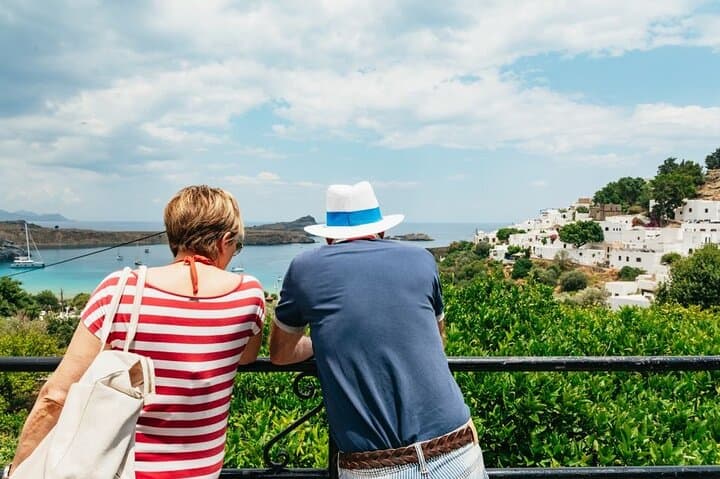
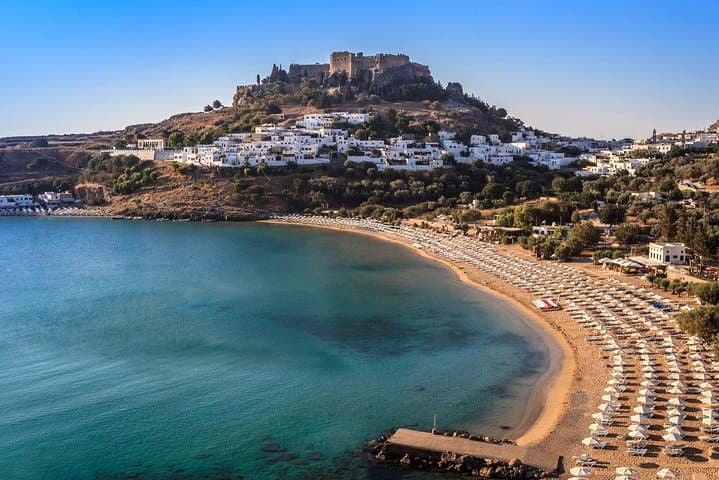
Step off the shaded lane and the village opens: whitewashed houses stack on the limestone shoulder of Rhodes, bougainvillea spilling color over narrow stairways, the Aegean daring you beyond the headland.
Verified experiences and guided adventures in the surrounding area.
Operated by Kariba Travel · Lindos, Rhodes
Step off the shaded lane and the village opens: whitewashed houses stack on the limestone shoulder of Rhodes, bougainvillea spilling color over narrow stairways, the Aegean daring you beyond the headland.
Lindos has been a coastal anchor since antiquity — a Doric acropolis and the Temple of Athena Lindia crown the rock where Phoenicians, Greeks and later Byzantines left traces. Geologically, the village sits on uplifted limestone and sandstone; the cliff gives sharp viewpoints and small coves where waves have scoured pebble beaches. Culturally, Lindos balances everyday island life with tourism: rooftop taverna kitchens keep long-simmered recipes, local artisans still weave and sell ceramics, and Greek Orthodox chapels punctuate alley junctions.
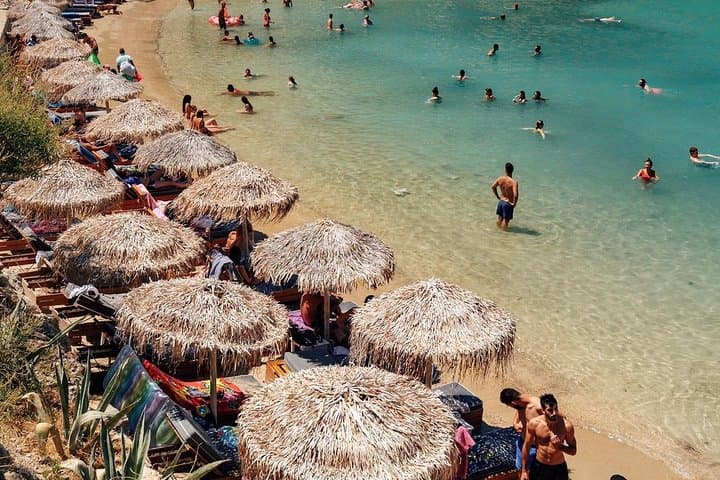
Expect a day of walking, centuries of sightlines, and sensory contrasts: the salt scent of the sea, the dust of sunbaked stones underfoot, and a soundtrack of conversation and church bells. Popular activities include climbing the short but steep path to the acropolis ruins, lingering at St. Paul’s Bay below, or taking the traditional—though tourist-oriented—donkey ride up the slope.
Practical guidance: arrive early to avoid heat and crowds and to find rooftop seating with views. Wear grippy shoes for uneven cobbles; bring sun protection and a refillable bottle — water sources are limited on side streets. Many shops accept cards but have cash for small purchases; bargaining is rare. If mobility is restricted, note that the acropolis and many lanes are steep and not wheelchair-accessible. Respect donkey handlers and wildlife protection rules near nesting beaches for loggerhead turtles. Lindos rewards a deliberate pace: take time to climb, look out, and taste the island’s slow rhythms.
easy.
5–7 hours.
Suitable for most fitness levels but requires basic mobility for steep streets and short climbs
No, admission to the acropolis is typically not included; purchase tickets at the site or check the local operator for combined options.
Donkey rides are usually an extra, offered by local handlers; confirm availability and price on arrival and inspect animals’ condition.
No — many lanes and the acropolis have steep, uneven cobbles and steps that limit wheelchair and stroller access.
A relaxed visit is 4–7 hours to cover the village, a rooftop meal, beach time and a short climb to the acropolis.
Lindos grew around an ancient acropolis and the Temple of Athena Lindia; it was an important trading and religious center in antiquity.
Tourism pressure affects coastal nesting sites and donkey welfare—use marked paths, avoid nesting beaches at night, and support handlers who care for animals.
Kariba Travel operates guided outdoor trips and adventures with an emphasis on safety, stewardship, and memorable experiences.

Step off the shaded lane and the village opens: whitewashed houses stack on the limestone shoulder of Rhodes, bougainvillea spilling color over narrow stairways, the Aegean daring you beyond the headland.
Step off the shaded lane and the village opens: whitewashed houses stack on the limestone shoulder of Rhodes, bougainvillea spilling color over narrow stairways, the Aegean daring you beyond the headland.
Lindos has been a coastal anchor since antiquity — a Doric acropolis and the Temple of Athena Lindia crown the rock where Phoenicians, Greeks and later Byzantines left traces. Geologically, the village sits on uplifted limestone and sandstone; the cliff gives sharp viewpoints and small coves where waves have scoured pebble beaches. Culturally, Lindos balances everyday island life with tourism: rooftop taverna kitchens keep long-simmered recipes, local artisans still weave and sell ceramics, and Greek Orthodox chapels punctuate alley junctions.
Expect a day of walking, centuries of sightlines, and sensory contrasts: the salt scent of the sea, the dust of sunbaked stones underfoot, and a soundtrack of conversation and church bells. Popular activities include climbing the short but steep path to the acropolis ruins, lingering at St. Paul’s Bay below, or taking the traditional—though tourist-oriented—donkey ride up the slope.
Practical guidance: arrive early to avoid heat and crowds and to find rooftop seating with views. Wear grippy shoes for uneven cobbles; bring sun protection and a refillable bottle — water sources are limited on side streets. Many shops accept cards but have cash for small purchases; bargaining is rare. If mobility is restricted, note that the acropolis and many lanes are steep and not wheelchair-accessible. Respect donkey handlers and wildlife protection rules near nesting beaches for loggerhead turtles. Lindos rewards a deliberate pace: take time to climb, look out, and taste the island’s slow rhythms.