THE ADVENTURE COLLECTIVE® · Independent discovery and booking for outdoor travel

Explore Lincoln Park’s green side on a focused two-hour walking tour linking the Peggy Notebaert Nature Museum, the Victorian-era Conservatory, and Lincoln Park Zoo. Expect butterflies, tropical greenhouses, and conservation stories with practical tips for timing and comfort.
Explore Lincoln Park’s green side on a focused two-hour walking tour linking the Peggy Notebaert Nature Museum, the Victorian-era Conservatory, and Lincoln Park Zoo. Expect butterflies, tropical greenhouses, and conservation stories with practical tips for timing and comfort.
On a crisp Chicago morning the tour gathers outside the stone facade of the Peggy Notebaert Nature Museum. City noise thins as the group climbs to the museum rooftop where prairie plantings frame a skyline view; butterflies drift like punctuation in the warm glass of the Butterfly Haven below. A guide threads stories of bird migration, horticulture, and urban conservation through each stop, turning pavements and greenhouses into chapters of local natural history.
Verified experiences and guided adventures in the surrounding area.
Operated by Chicago Museum Tours · Chicago, Illinois
On a crisp Chicago morning the tour gathers outside the stone facade of the Peggy Notebaert Nature Museum. City noise thins as the group climbs to the museum rooftop where prairie plantings frame a skyline view; butterflies drift like punctuation in the warm glass of the Butterfly Haven below. A guide threads stories of bird migration, horticulture, and urban conservation through each stop, turning pavements and greenhouses into chapters of local natural history.
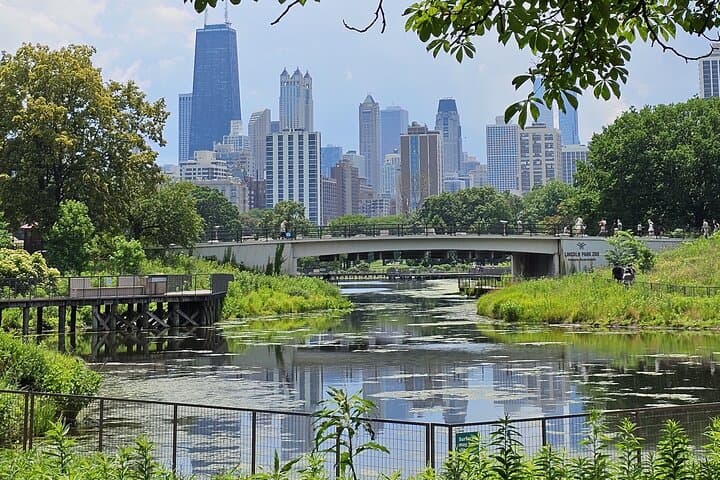
The route stitches together three distinct legacies: the late-19th-century conservatory’s Victorian glasshouses, the educational mission of the Nature Museum, and Lincoln Park Zoo’s long history as one of the country’s earliest public zoos (founded in the 1860s). Geologically, the park occupies Lake Michigan’s former shoreline bluffs, which influence drainage, plantings, and the wetland feel of the Nature Boardwalk.
Practical details matter: this is a two-hour, city walking experience on paved paths with short stair sections and indoor greenhouse stops. Wear grippy shoes, bring a small water bottle, and plan for Chicago weather changes—the Conservatory is warm year-round while outdoor segments can be windy and exposed.
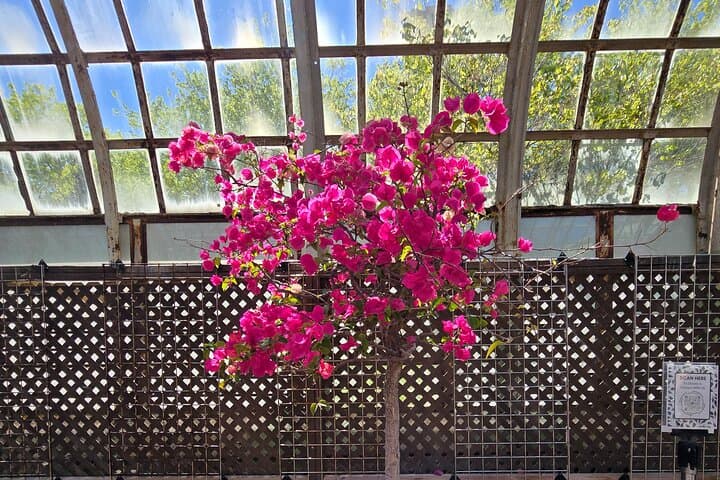
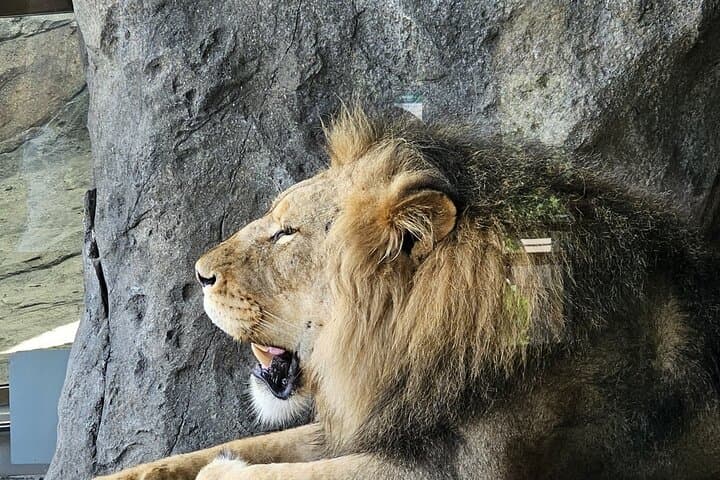
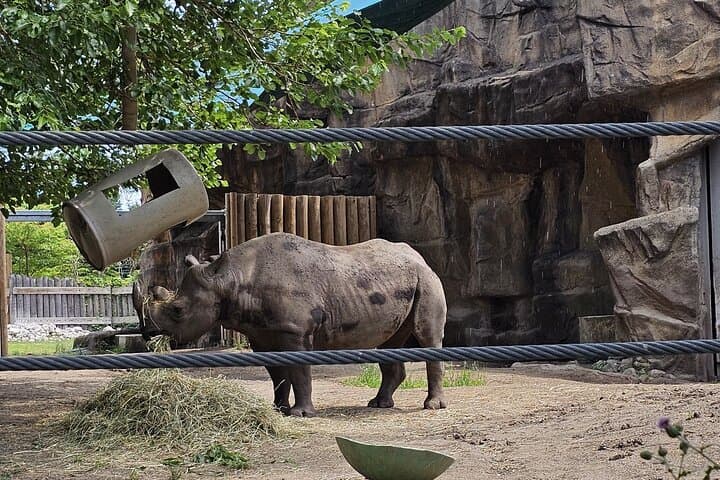
Expect close-up encounters with tropical plants, live butterflies, interpretive exhibits on local birds, and curated zoo habitats with conservation stories. The tour suits first-time visitors and repeat locals who want a compact, informative exploration of Lincoln Park’s natural side. It finishes with a sweeping view of the boardwalk and skyline—an easy, educational urban nature day that rewards curiosity and sensible layering.
moderate.
2 hours.
Moderate—able to stand and walk for two hours with brief pauses
The tour includes admission for the Peggy Notebaert Nature Museum component; the Lincoln Park Conservatory and Lincoln Park Zoo have free public admission, but check current policies before you go.
Meet outside the main entrance to the Peggy Notebaert Nature Museum at 2430 N Cannon Dr; the tour concludes just south of Lincoln Park Zoo near the Peoples Gas Education Pavilion.
The tour is stroller-accessible and includes paved routes, but certain greenhouse displays and older pathways may have steps—contact the operator for specific accessibility needs.
Full refunds are available if canceled at least 24 hours before departure; the operator may cancel in bad weather and will notify you per booking terms.
Lincoln Park Zoo is one of the nation’s oldest public zoos, dating back to the 1860s; the Conservatory reflects Victorian-era greenhouse design and public botanical display traditions.
The museum and zoo emphasize education and species conservation—stay on designated paths, don’t feed wildlife, and follow exhibit rules to minimize impact.
Chicago Museum Tours operates guided outdoor trips and adventures with an emphasis on safety, stewardship, and memorable experiences.
On a crisp Chicago morning the tour gathers outside the stone facade of the Peggy Notebaert Nature Museum. City noise thins as the group climbs to the museum rooftop where prairie plantings frame a skyline view; butterflies drift like punctuation in the warm glass of the Butterfly Haven below. A guide threads stories of bird migration, horticulture, and urban conservation through each stop, turning pavements and greenhouses into chapters of local natural history.
On a crisp Chicago morning the tour gathers outside the stone facade of the Peggy Notebaert Nature Museum. City noise thins as the group climbs to the museum rooftop where prairie plantings frame a skyline view; butterflies drift like punctuation in the warm glass of the Butterfly Haven below. A guide threads stories of bird migration, horticulture, and urban conservation through each stop, turning pavements and greenhouses into chapters of local natural history.
The route stitches together three distinct legacies: the late-19th-century conservatory’s Victorian glasshouses, the educational mission of the Nature Museum, and Lincoln Park Zoo’s long history as one of the country’s earliest public zoos (founded in the 1860s). Geologically, the park occupies Lake Michigan’s former shoreline bluffs, which influence drainage, plantings, and the wetland feel of the Nature Boardwalk.
Practical details matter: this is a two-hour, city walking experience on paved paths with short stair sections and indoor greenhouse stops. Wear grippy shoes, bring a small water bottle, and plan for Chicago weather changes—the Conservatory is warm year-round while outdoor segments can be windy and exposed.
Expect close-up encounters with tropical plants, live butterflies, interpretive exhibits on local birds, and curated zoo habitats with conservation stories. The tour suits first-time visitors and repeat locals who want a compact, informative exploration of Lincoln Park’s natural side. It finishes with a sweeping view of the boardwalk and skyline—an easy, educational urban nature day that rewards curiosity and sensible layering.