THE ADVENTURE COLLECTIVE® · Independent discovery and booking for outdoor travel

Drive northwest from Nairobi to Limuru for a half-day at Kiambethu Tea Farm: a guided walk through tea plots and indigenous forest, hands-on tea picking, a tea-baking demo and lunch with views to the Ngong Hills. Ideal for travelers wanting an easy, educational day in Kenya’s highlands.
Drive northwest from Nairobi to Limuru for a half-day at Kiambethu Tea Farm: a guided walk through tea plots and indigenous forest, hands-on tea picking, a tea-baking demo and lunch with views to the Ngong Hills. Ideal for travelers wanting an easy, educational day in Kenya’s highlands.
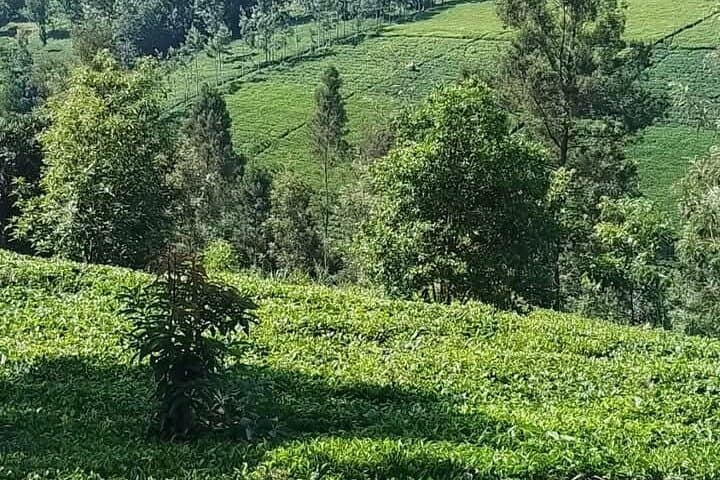
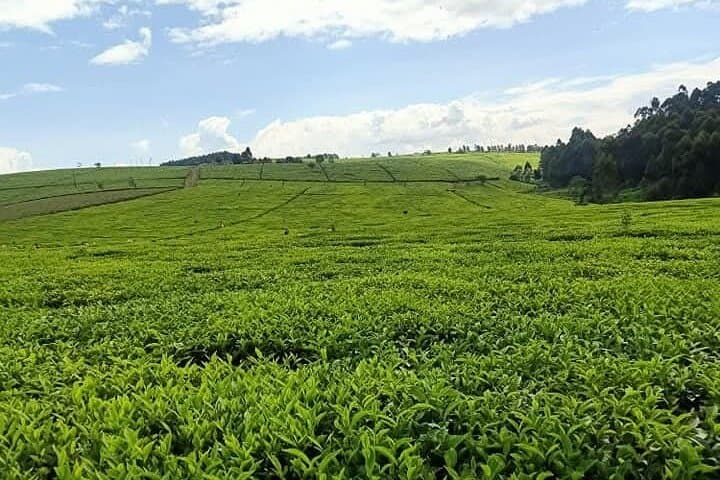
You leave Nairobi behind as the city edge thins and tea fields appear like a green ocean, rows tipping toward the Ngong Hills. The van eases into the Kiambethu Tea Farm gates; the air smells faintly of earth and fresh-cut leaves. A verandah awaits with steaming cups, and the day settles into a clear, rural pace.
Verified experiences and guided adventures in the surrounding area.
Operated by Kilimanjaro Safaris · Limuru, Kiambu County
You leave Nairobi behind as the city edge thins and tea fields appear like a green ocean, rows tipping toward the Ngong Hills. The van eases into the Kiambethu Tea Farm gates; the air smells faintly of earth and fresh-cut leaves. A verandah awaits with steaming cups, and the day settles into a clear, rural pace.
Kiambethu sits in the highlands where cooler temperatures and volcanic soils made tea profitable a century ago. The farm’s history is tied to colonial-era estates and the later Kenyan tea industry; guides explain how smallholder farming reshaped the region’s economy and land use. Geologically the slopes are old volcanic ridges, their soils deep and well drained — ideal for Camellia sinensis.
Cultural notes come between walks: local families have tended plots for generations, and the farm’s kitchen serves a straightforward, home-style lunch. On the forest trail a resident guide points out medicinal plants and the black-and-white colobus monkeys that swing through the canopy; birds thread the hedgerows and the breeze pushes across the fields like a conversation.
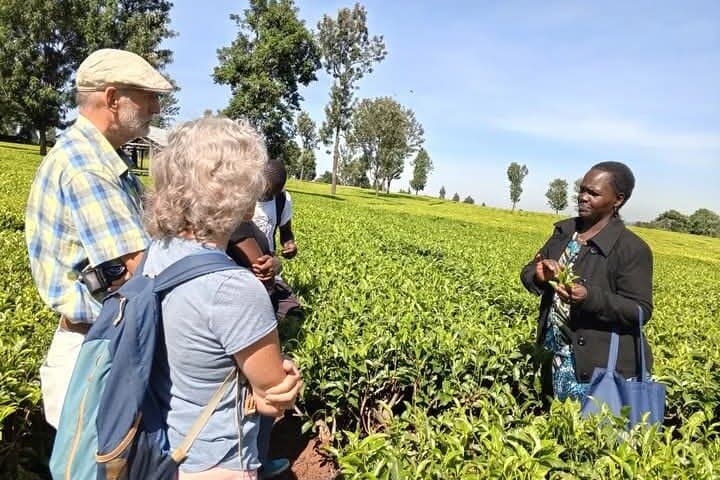
Practically: expect 6–7 hours door-to-door from Nairobi with hotel pickup and drop-off. The visit combines a light forest walk and hands-on tea-picking lesson, followed by a tea-baking demo and lunch on the verandah. Wear sturdy walking shoes, a light rain shell (weather can change quickly), and bring a refillable water bottle and binoculars for birding. Phones take good photos, but keep noise low to avoid disturbing wildlife and workers. The pace is relaxed, making it suitable for most travelers who want an accessible, informative day outside the city.
easy.
6–7 hours.
Light walking on farm tracks and a short indigenous forest trail; suitable for most fitness levels.
Yes—hotel or residence pickup within Nairobi CBD is included with an approximate 9:30am departure and return around 4:30pm.
Yes—youth must be accompanied by adults, and the visit is suitable for most ages, though infants must sit on an adult’s lap in the vehicle.
Comfortable, closed-toe shoes, light layers, and a rain jacket if the forecast predicts showers; avoid bright colors if you want to watch wildlife.
Yes—entrance fees to the farm, lunch and drinks, and a driver/guide are included in the tour price.
Tea cultivation in Limuru expanded during the early 20th century; estates and later smallholders transformed the highland economy over roughly the last 100 years.
Many farms in the area practice mixed cropping and forest conservation; visitors should stick to trails, avoid single-use plastics and support farm-run initiatives that protect forest patches.
Kilimanjaro Safaris operates guided outdoor trips and adventures with an emphasis on safety, stewardship, and memorable experiences.

You leave Nairobi behind as the city edge thins and tea fields appear like a green ocean, rows tipping toward the Ngong Hills. The van eases into the Kiambethu Tea Farm gates; the air smells faintly of earth and fresh-cut leaves. A verandah awaits with steaming cups, and the day settles into a clear, rural pace.
You leave Nairobi behind as the city edge thins and tea fields appear like a green ocean, rows tipping toward the Ngong Hills. The van eases into the Kiambethu Tea Farm gates; the air smells faintly of earth and fresh-cut leaves. A verandah awaits with steaming cups, and the day settles into a clear, rural pace.
Kiambethu sits in the highlands where cooler temperatures and volcanic soils made tea profitable a century ago. The farm’s history is tied to colonial-era estates and the later Kenyan tea industry; guides explain how smallholder farming reshaped the region’s economy and land use. Geologically the slopes are old volcanic ridges, their soils deep and well drained — ideal for Camellia sinensis.
Cultural notes come between walks: local families have tended plots for generations, and the farm’s kitchen serves a straightforward, home-style lunch. On the forest trail a resident guide points out medicinal plants and the black-and-white colobus monkeys that swing through the canopy; birds thread the hedgerows and the breeze pushes across the fields like a conversation.
Practically: expect 6–7 hours door-to-door from Nairobi with hotel pickup and drop-off. The visit combines a light forest walk and hands-on tea-picking lesson, followed by a tea-baking demo and lunch on the verandah. Wear sturdy walking shoes, a light rain shell (weather can change quickly), and bring a refillable water bottle and binoculars for birding. Phones take good photos, but keep noise low to avoid disturbing wildlife and workers. The pace is relaxed, making it suitable for most travelers who want an accessible, informative day outside the city.