THE ADVENTURE COLLECTIVE® · Independent discovery and booking for outdoor travel

Walk Limassol with a local architect and see how medieval defenses, industrial heritage, and modern seafront design shape the city. This focused two-hour tour pairs architectural insight with practical local tips and a take-home Outing Guide.
Walk Limassol with a local architect and see how medieval defenses, industrial heritage, and modern seafront design shape the city. This focused two-hour tour pairs architectural insight with practical local tips and a take-home Outing Guide.
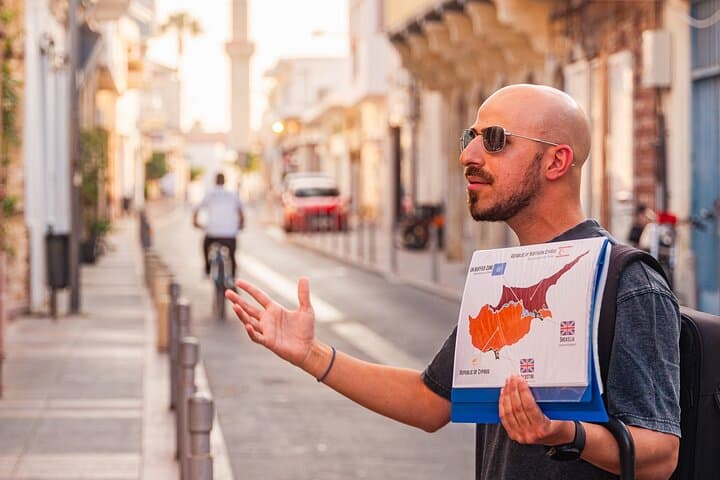
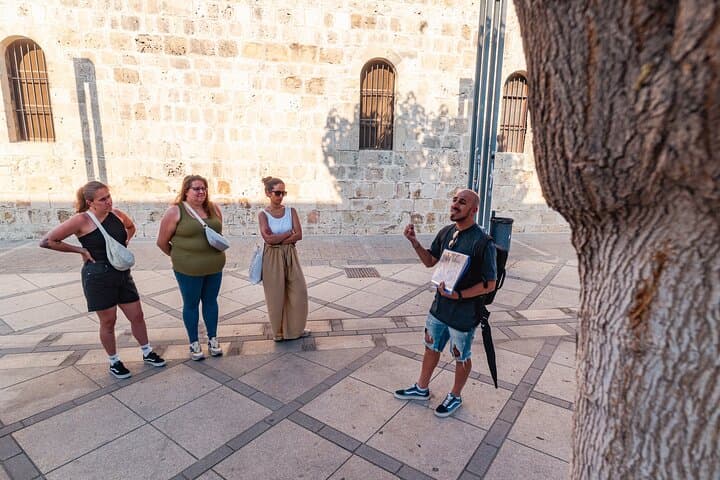
You step off the seafront promenade and into the measured rhythm of Limassol—stone underfoot, the Mediterranean daring you from the right, and façades that wear centuries like layers of urban memory. A young local architect leads the way, pointing out where Ottoman arches meet British colonial lines and where modern interventions nudge a living port toward the future.
Verified experiences and guided adventures in the surrounding area.
Operated by Ioannis (John) · Limassol, Limassol District
You step off the seafront promenade and into the measured rhythm of Limassol—stone underfoot, the Mediterranean daring you from the right, and façades that wear centuries like layers of urban memory. A young local architect leads the way, pointing out where Ottoman arches meet British colonial lines and where modern interventions nudge a living port toward the future.
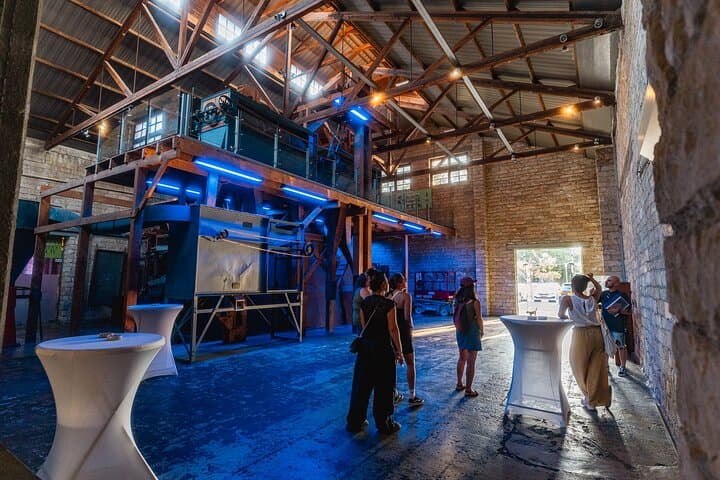
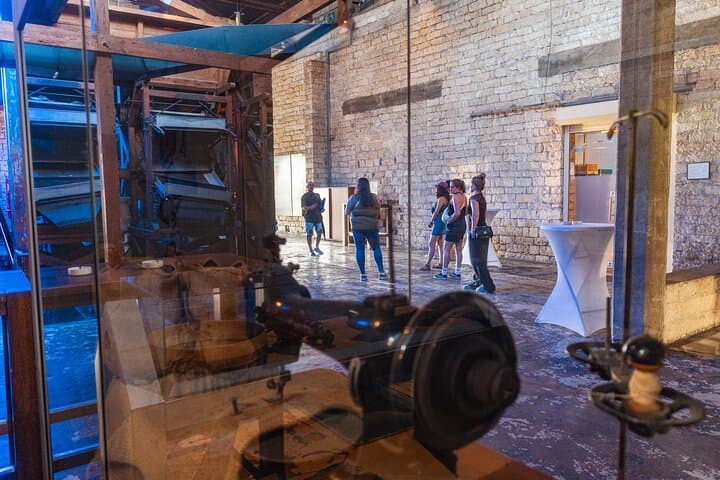
Limassol’s story is visible in its streets: a medieval castle that guarded a trading hub, the industrial echoes of the old carob mill, and seaside promenades rebuilt for leisure and festivals. Geologically the coast is a gentle limestone shelf; the built fabric adapts to salt air and summer heat, which shapes window depth, shading, and public life. Culturally, the city trades hospitality and seafood for a laid-back afternoon tempo—coffee, conversation, and market stalls.
The tour moves at an urban walking pace, weaving Castle Square, Agiou Andreou, the Lanitis block, and the Molos park into a 2-hour narrative that balances architectural detail with local tips—where to try halloumi, which alleys hold murals, and how municipal redevelopment has reshaped the waterfront.
Practical guidance: wear sturdy walking shoes, plan the two-hour window to avoid midday heat in summer, and bring a small bottle of water. The guide’s Limassol Outing Guide provides curated follow-ups for dining and bars. For curious travelers this is an efficient primer—part history lesson, part local briefing—best for those who want to read a city through its buildings and public spaces.
easy.
2 hours.
Suitable for most fitness levels; requires standing and walking on city streets for two hours.
Meeting is typically on or near the seafront promenade close to Castle Square; the exact point is provided at booking.
Yes; the route is stroller-accessible though some streets have cobbles—infants should sit on laps if busy.
The guide conducts the tour in English; inquire at booking for other language options or private arrangements.
No—this is a walking tour with commentary; any museum entry or meals are at the traveler’s expense.
Limassol grew as a strategic Mediterranean port; the medieval castle marks a lineage of trade and defense while the carob industry shaped local commerce in the 19th century.
The historic core is under municipal preservation efforts—stay on marked paths, avoid touching fragile masonry, and minimize single-use plastic to reduce visitor impact.
Ioannis (John) operates guided outdoor trips and adventures with an emphasis on safety, stewardship, and memorable experiences.
You step off the seafront promenade and into the measured rhythm of Limassol—stone underfoot, the Mediterranean daring you from the right, and façades that wear centuries like layers of urban memory. A young local architect leads the way, pointing out where Ottoman arches meet British colonial lines and where modern interventions nudge a living port toward the future.
You step off the seafront promenade and into the measured rhythm of Limassol—stone underfoot, the Mediterranean daring you from the right, and façades that wear centuries like layers of urban memory. A young local architect leads the way, pointing out where Ottoman arches meet British colonial lines and where modern interventions nudge a living port toward the future.
Limassol’s story is visible in its streets: a medieval castle that guarded a trading hub, the industrial echoes of the old carob mill, and seaside promenades rebuilt for leisure and festivals. Geologically the coast is a gentle limestone shelf; the built fabric adapts to salt air and summer heat, which shapes window depth, shading, and public life. Culturally, the city trades hospitality and seafood for a laid-back afternoon tempo—coffee, conversation, and market stalls.
The tour moves at an urban walking pace, weaving Castle Square, Agiou Andreou, the Lanitis block, and the Molos park into a 2-hour narrative that balances architectural detail with local tips—where to try halloumi, which alleys hold murals, and how municipal redevelopment has reshaped the waterfront.
Practical guidance: wear sturdy walking shoes, plan the two-hour window to avoid midday heat in summer, and bring a small bottle of water. The guide’s Limassol Outing Guide provides curated follow-ups for dining and bars. For curious travelers this is an efficient primer—part history lesson, part local briefing—best for those who want to read a city through its buildings and public spaces.