THE ADVENTURE COLLECTIVE® · Independent discovery and booking for outdoor travel

A single-day shore excursion from Limassol that pairs the ancient theatre of Kourion with the vine-sculpted lanes of Omodos and a Troodos winery visit. Ideal for cruise passengers who want a compact, history-rich tour with a local guide and return-to-ship assurance.
A single-day shore excursion from Limassol that pairs the ancient theatre of Kourion with the vine-sculpted lanes of Omodos and a Troodos winery visit. Ideal for cruise passengers who want a compact, history-rich tour with a local guide and return-to-ship assurance.
The bus pulls away from Limassol’s quay and the harbor loosens its hold: salt-slick air and a slow spread of low-rise city give way to terraces of vines climbing toward the Troodos foothills. Travelers move through a sequence of landscapes — coastal bluffs, Roman ruins clinging to a seaside escarpment, and a village whose plaza still keeps the rhythm of harvest days.
Verified experiences and guided adventures in the surrounding area.
Operated by Spanos Buses Cyprus · Limassol, Limassol District
The bus pulls away from Limassol’s quay and the harbor loosens its hold: salt-slick air and a slow spread of low-rise city give way to terraces of vines climbing toward the Troodos foothills. Travelers move through a sequence of landscapes — coastal bluffs, Roman ruins clinging to a seaside escarpment, and a village whose plaza still keeps the rhythm of harvest days.
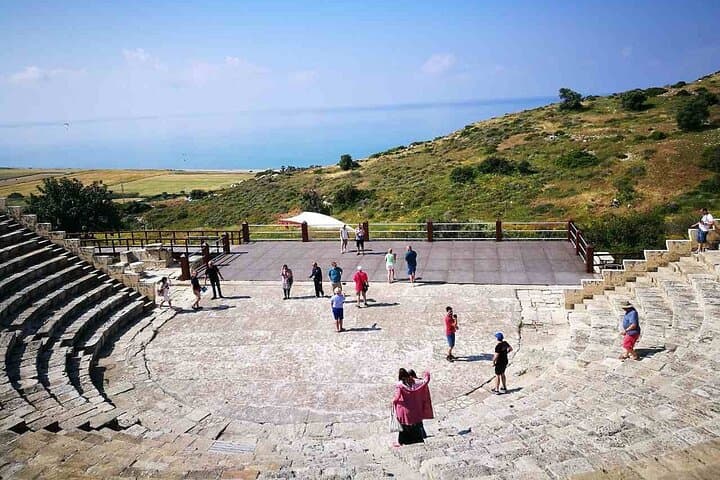
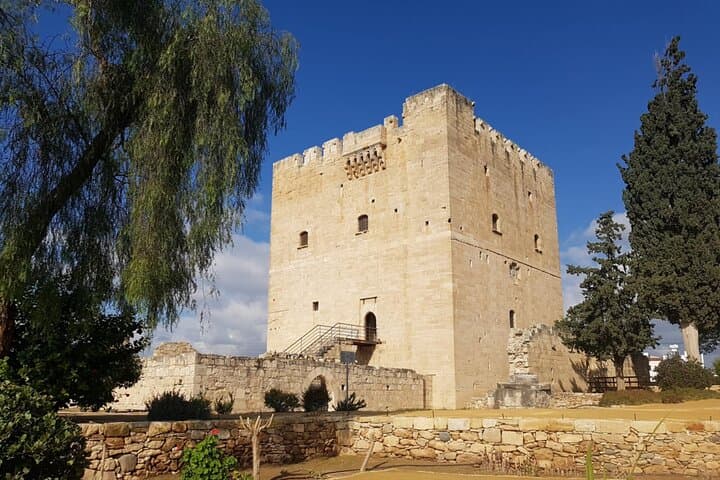
History shows up in stone here: Kourion’s theatre keeps the same acoustics that carried speeches and songs two millennia ago, while Limassol Castle marks the island’s medieval crossroads — a place tied to Richard the Lionheart and the medieval scramble for Cyprus. Geology explains the view: limestone and marl cliffs step down to the sea, offering the vantage points that ancient builders prized.
Culture arrives as hands-on encounters: a licensed guide translates inscriptions and points out the medieval winepress in Omodos; a Troodos winery opens barrels and a story of Comandaria, the sweet wine that kept royal favor. Local life lingers in narrow alleys, family-run tavernas, and the cadence of village bells.
Practical guidance: plan for about six hours out of port, bring sturdy shoes for uneven archaeological terraces, and carry sun protection — the midday light can be relentless on open ruins. Expect multiple short walks and a wine tasting stop; timings are arranged to return to ship on schedule. Keep passports or cruise IDs handy for site entry, and check for last-minute pickup details in your booking messages before you board.
moderate.
6 hours.
Moderate fitness: comfortable walking for 30–60 minutes at several stops, some short uphill and uneven paths.
The tour is approximately 6 hours (360 minutes) and the itinerary is scheduled to ensure timely return to the port; exact pickup/return times depend on your ship’s schedule and will be provided in a private message.
All stated entrance fees and taxes are included; the itinerary specifies which sites have admission covered and includes a wine tasting at the Troodos winery.
The tour involves short walks on uneven surfaces and steps at archaeological sites and village lanes, so travelers should have moderate mobility; contact the operator ahead if you require assistance or reduced walking options.
Wine tastings are for adults only; children can join the tour and explore the village but will not participate in alcohol sampling.
Limassol Castle is associated with Richard the Lionheart’s brief presence on the island; Kourion was a major city‑kingdom with extensive Roman and early Byzantine remains.
Archaeological sites are sensitive; stay on marked paths, avoid touching mosaics, and minimize single-use plastics to reduce impact on coastal and mountain environments.
Spanos Buses Cyprus operates guided outdoor trips and adventures with an emphasis on safety, stewardship, and memorable experiences.

The bus pulls away from Limassol’s quay and the harbor loosens its hold: salt-slick air and a slow spread of low-rise city give way to terraces of vines climbing toward the Troodos foothills. Travelers move through a sequence of landscapes — coastal bluffs, Roman ruins clinging to a seaside escarpment, and a village whose plaza still keeps the rhythm of harvest days.
The bus pulls away from Limassol’s quay and the harbor loosens its hold: salt-slick air and a slow spread of low-rise city give way to terraces of vines climbing toward the Troodos foothills. Travelers move through a sequence of landscapes — coastal bluffs, Roman ruins clinging to a seaside escarpment, and a village whose plaza still keeps the rhythm of harvest days.
History shows up in stone here: Kourion’s theatre keeps the same acoustics that carried speeches and songs two millennia ago, while Limassol Castle marks the island’s medieval crossroads — a place tied to Richard the Lionheart and the medieval scramble for Cyprus. Geology explains the view: limestone and marl cliffs step down to the sea, offering the vantage points that ancient builders prized.
Culture arrives as hands-on encounters: a licensed guide translates inscriptions and points out the medieval winepress in Omodos; a Troodos winery opens barrels and a story of Comandaria, the sweet wine that kept royal favor. Local life lingers in narrow alleys, family-run tavernas, and the cadence of village bells.
Practical guidance: plan for about six hours out of port, bring sturdy shoes for uneven archaeological terraces, and carry sun protection — the midday light can be relentless on open ruins. Expect multiple short walks and a wine tasting stop; timings are arranged to return to ship on schedule. Keep passports or cruise IDs handy for site entry, and check for last-minute pickup details in your booking messages before you board.