THE ADVENTURE COLLECTIVE® · Independent discovery and booking for outdoor travel

A two-day loop from Lima that pairs a Ballestas boat trip and coastal wildlife with adrenaline on Huacachina’s dunes and a 30-minute Cessna overflight of the Nazca Lines. Expect early starts, desert sun, and an efficient mix of nature and culture.
A two-day loop from Lima that pairs a Ballestas boat trip and coastal wildlife with adrenaline on Huacachina’s dunes and a 30-minute Cessna overflight of the Nazca Lines. Expect early starts, desert sun, and an efficient mix of nature and culture.
Pre-dawn Miraflores dissolves into highway lights as the minibus hums south, the Pacific keeping a steady rhythm at the edge of the road. By mid-morning the sea opens into briny wind and the Ballestas Islands rear up like stone islands full of life; sea lions bark, guano birds wheel and El Candelabro etches a human-made mark into coastal sand. Later, the desert takes charge—endless ochre dunes around Huacachina that dare you to climb, slide, and soar.
Verified experiences and guided adventures in the surrounding area.
Operated by AMERICAN TRAVEL PERU · Nazca, Ica
Pre-dawn Miraflores dissolves into highway lights as the minibus hums south, the Pacific keeping a steady rhythm at the edge of the road. By mid-morning the sea opens into briny wind and the Ballestas Islands rear up like stone islands full of life; sea lions bark, guano birds wheel and El Candelabro etches a human-made mark into coastal sand. Later, the desert takes charge—endless ochre dunes around Huacachina that dare you to climb, slide, and soar.
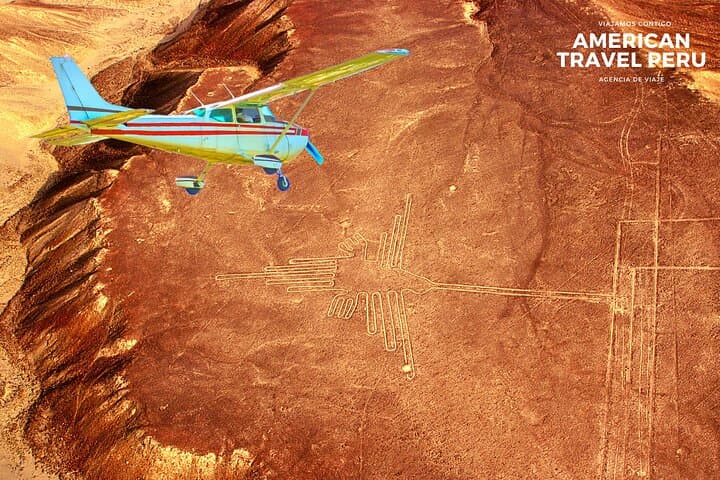
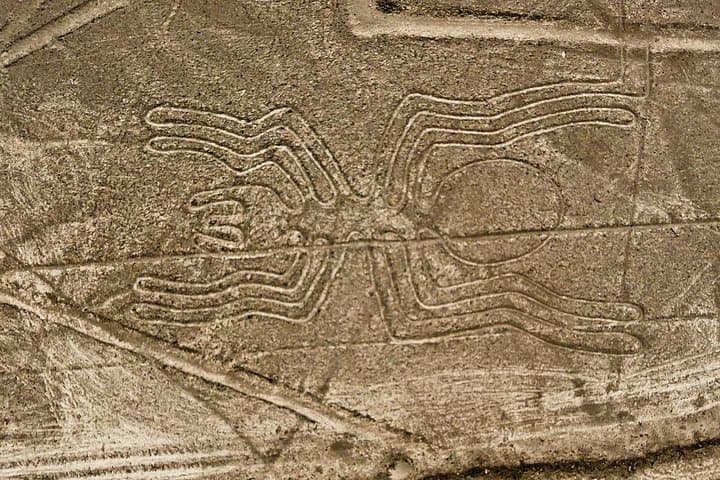
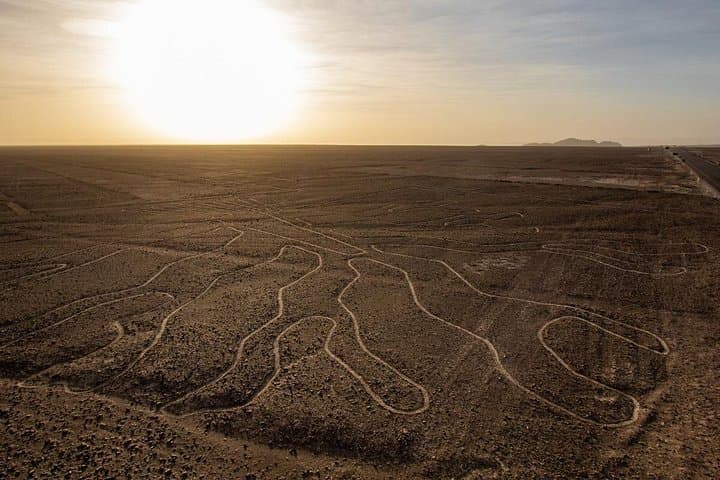
The Nazca Lines, visible from a short Cessna flight the second day, were laid by pre-Columbian cultures between roughly 200 BCE and 600 CE. Geologically the region is coastal desert: wind-swept aeolian deposits and marine terraces carve the shore while the Andes cast a rain shadow, leaving sharp dunes around Ica. Paracas National Reserve protects marine upwellings that sustain Humboldt penguins and seasonal sea birds; local viticulture leans on fertile valley soils for pisco and wine that you’ll sample on the route.
Practically: pack sun protection, a light wind shell and motion-sickness meds for the flight; plan the Nazca overflight in the morning when thermals are gentler. Sandboarding and dune buggies demand balance more than strength but expect jarring rides and loose sand. Bring small bills for local vendors and spare time—traffic and weather can shift schedules. Guides manage logistics: boat life jackets, airport procedures and a one-night hotel in Nazca are included, so come ready to experience coastal wildlife, desert adrenaline and an aerial encounter with one of archaeology’s most visible mysteries.
moderate.
2 days (approx. 8–10 hours per day of activity).
Moderate fitness recommended—able to handle short hikes on loose sand, quick climbs onto dunes, and stairs/steps for boarding aircraft.
The overflight takes about 30 minutes aboard a small Cessna (typically a Cessna 207A) with panoramic windows; expect short weight checks and seating rotations for best views.
Yes—operators provide safety briefings, helmets and basic instruction; you should be able to stand and brace, but it’s not suitable for people with serious spinal or heart conditions.
Lunch, a wine/pisco tasting, hotel (1 night) and select bus and transfers are included per itinerary; check the booking for exact pickup locations and times.
Flights may be delayed or rescheduled for safety depending on wind and visibility; operators typically communicate options but refunds follow the provider’s cancellation policy.
The Nazca Lines were created by the Nazca culture between roughly 200 BCE and 600 CE; nearby Paracas culture predates them and influenced coastal customs and textiles.
Paracas National Reserve and Ballestas protections limit boat approaches and regulate visitor impact; stick to designated paths, avoid littering and follow guide instructions to reduce disturbance.
AMERICAN TRAVEL PERU operates guided outdoor trips and adventures with an emphasis on safety, stewardship, and memorable experiences.
Pre-dawn Miraflores dissolves into highway lights as the minibus hums south, the Pacific keeping a steady rhythm at the edge of the road. By mid-morning the sea opens into briny wind and the Ballestas Islands rear up like stone islands full of life; sea lions bark, guano birds wheel and El Candelabro etches a human-made mark into coastal sand. Later, the desert takes charge—endless ochre dunes around Huacachina that dare you to climb, slide, and soar.
Pre-dawn Miraflores dissolves into highway lights as the minibus hums south, the Pacific keeping a steady rhythm at the edge of the road. By mid-morning the sea opens into briny wind and the Ballestas Islands rear up like stone islands full of life; sea lions bark, guano birds wheel and El Candelabro etches a human-made mark into coastal sand. Later, the desert takes charge—endless ochre dunes around Huacachina that dare you to climb, slide, and soar.
The Nazca Lines, visible from a short Cessna flight the second day, were laid by pre-Columbian cultures between roughly 200 BCE and 600 CE. Geologically the region is coastal desert: wind-swept aeolian deposits and marine terraces carve the shore while the Andes cast a rain shadow, leaving sharp dunes around Ica. Paracas National Reserve protects marine upwellings that sustain Humboldt penguins and seasonal sea birds; local viticulture leans on fertile valley soils for pisco and wine that you’ll sample on the route.
Practically: pack sun protection, a light wind shell and motion-sickness meds for the flight; plan the Nazca overflight in the morning when thermals are gentler. Sandboarding and dune buggies demand balance more than strength but expect jarring rides and loose sand. Bring small bills for local vendors and spare time—traffic and weather can shift schedules. Guides manage logistics: boat life jackets, airport procedures and a one-night hotel in Nazca are included, so come ready to experience coastal wildlife, desert adrenaline and an aerial encounter with one of archaeology’s most visible mysteries.