THE ADVENTURE COLLECTIVE® · Independent discovery and booking for outdoor travel

This six-day itinerary journeys from Lima’s colonial heart to the sea-sculpted deserts of Paracas and the highland wonders of the Sacred Valley and Machu Picchu. Expect varied terrain, significant altitude, and culturally rich stops with 4-star lodging each night.
This six-day itinerary journeys from Lima’s colonial heart to the sea-sculpted deserts of Paracas and the highland wonders of the Sacred Valley and Machu Picchu. Expect varied terrain, significant altitude, and culturally rich stops with 4-star lodging each night.
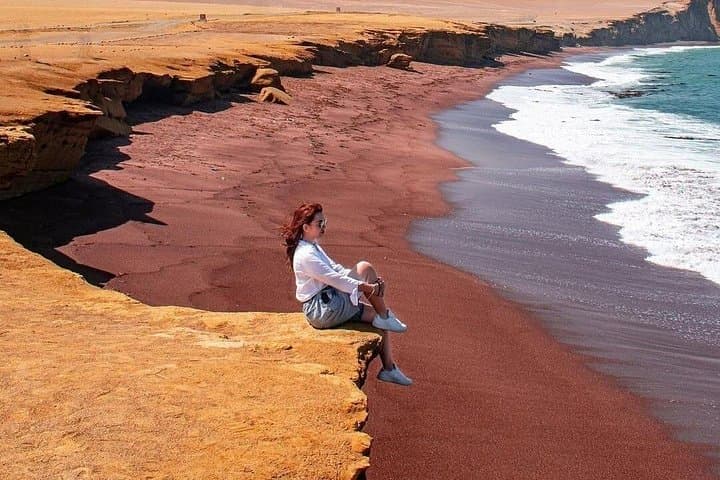
The bus leaves Lima before dawn and the Pacific coast shrinks into a hard line; by midday the desert air dares you across the dunes of Ica, where the Ballestas Islands’ cliffs and the sea’s congregation of birds mark a sudden, briny contrast to the Andean highlands to come.
Verified experiences and guided adventures in the surrounding area.
Operated by Machupicchu Holiday · Cusco, Cusco
The bus leaves Lima before dawn and the Pacific coast shrinks into a hard line; by midday the desert air dares you across the dunes of Ica, where the Ballestas Islands’ cliffs and the sea’s congregation of birds mark a sudden, briny contrast to the Andean highlands to come.
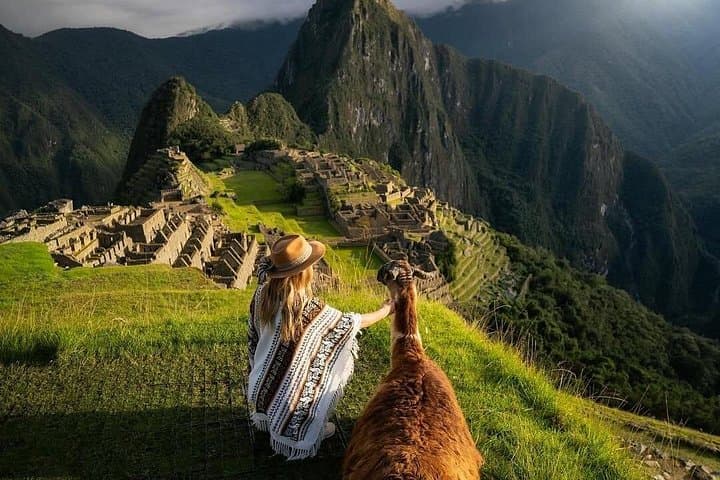
This six-day route stitches coastal geology and highland history: wind-swept coastal plains, the Candelabra geoglyph carved into desert sand, then the terraces and salt pans of Maras and Moray that show Inca agricultural ingenuity. In Cusco and the Sacred Valley you walk on volcanic and sedimentary bedrock shaped by Andean uplift; at Machu Picchu the citadel perches on a ridge above the Urubamba River, its stonework answering centuries of seismic and human history.
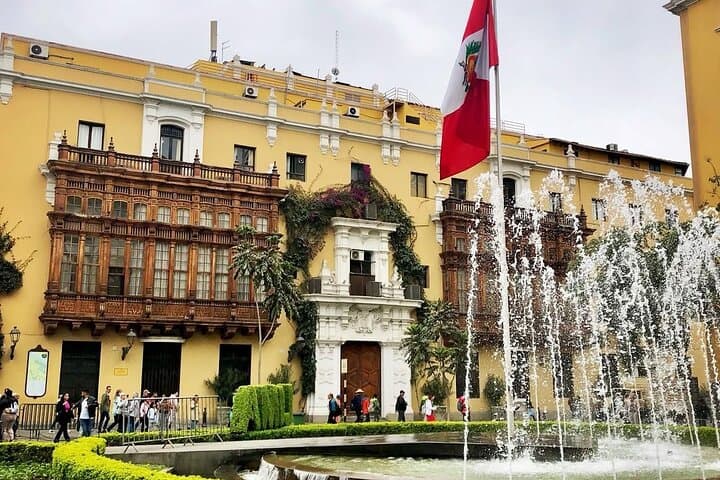
Culturally the trip moves from colonial Lima—plazas, baroque convents—to living Quechua communities around Ollantaytambo, where weaving and communal agriculture continue older rhythms. Wildlife shifts too: pelicans and Humboldt penguins on the coast yield to condors and songbirds in the cloud forest approaching Aguas Calientes.
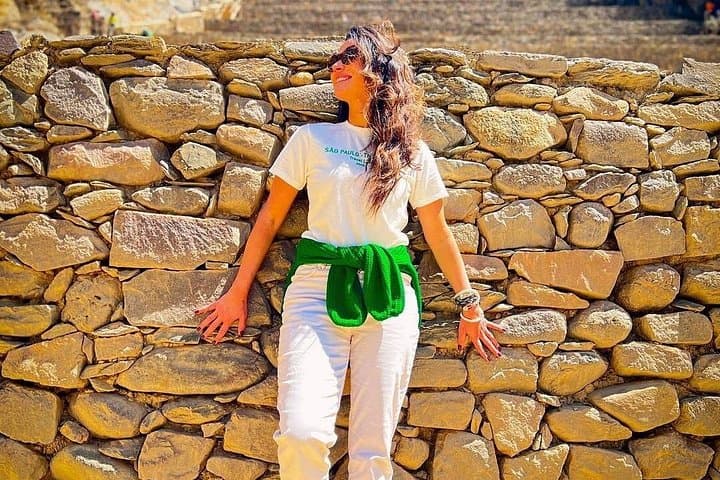
Practical guidance: plan for altitude—Cusco sits near 3,400 m—so acclimatize, hydrate, and pace uphill walking. Expect mixed terrain: paved city streets, desert sand, and uneven Inca stone paths; sturdy footwear with good grip is essential. Trains to Aguas Calientes cut travel time but keep a light daypack for Machu Picchu where entry is timed and circuits are one-way.
Timing matters: visit Machu Picchu in the dry months for clearer views, and carry layers for microclimates that change with every ridge and river crossing.
moderate.
6 days.
Moderate aerobic fitness recommended; comfortable walking on uneven terrain and coping with altitude.
Yes—bring the same ID or passport listed on your booking; you must show it at Machu Picchu entry gates.
The itinerary includes long travel days and altitude; children and older adults should consult a doctor and consider pace adjustments.
May–September (dry season) offers the clearest skies, while November–March has more rain and greener cloud-forest scenery.
The package includes entrance fees for listed sites, transfers, train tickets to Aguas Calientes, and bus shuttles to Machu Picchu as described in the inclusions.
The Sacred Valley and Machu Picchu reflect Inca administrative and agricultural planning; many terraces and aqueducts predate Spanish colonization and remain in use.
High visitor numbers strain trails and water; stick to marked paths, use refillable bottles, and follow guide instructions to minimize impact.
Machupicchu Holiday operates guided outdoor trips and adventures with an emphasis on safety, stewardship, and memorable experiences.
The bus leaves Lima before dawn and the Pacific coast shrinks into a hard line; by midday the desert air dares you across the dunes of Ica, where the Ballestas Islands’ cliffs and the sea’s congregation of birds mark a sudden, briny contrast to the Andean highlands to come.
The bus leaves Lima before dawn and the Pacific coast shrinks into a hard line; by midday the desert air dares you across the dunes of Ica, where the Ballestas Islands’ cliffs and the sea’s congregation of birds mark a sudden, briny contrast to the Andean highlands to come.
This six-day route stitches coastal geology and highland history: wind-swept coastal plains, the Candelabra geoglyph carved into desert sand, then the terraces and salt pans of Maras and Moray that show Inca agricultural ingenuity. In Cusco and the Sacred Valley you walk on volcanic and sedimentary bedrock shaped by Andean uplift; at Machu Picchu the citadel perches on a ridge above the Urubamba River, its stonework answering centuries of seismic and human history.
Culturally the trip moves from colonial Lima—plazas, baroque convents—to living Quechua communities around Ollantaytambo, where weaving and communal agriculture continue older rhythms. Wildlife shifts too: pelicans and Humboldt penguins on the coast yield to condors and songbirds in the cloud forest approaching Aguas Calientes.
Practical guidance: plan for altitude—Cusco sits near 3,400 m—so acclimatize, hydrate, and pace uphill walking. Expect mixed terrain: paved city streets, desert sand, and uneven Inca stone paths; sturdy footwear with good grip is essential. Trains to Aguas Calientes cut travel time but keep a light daypack for Machu Picchu where entry is timed and circuits are one-way.
Timing matters: visit Machu Picchu in the dry months for clearer views, and carry layers for microclimates that change with every ridge and river crossing.