THE ADVENTURE COLLECTIVE® · Independent discovery and booking for outdoor travel

Taste 13 curated Peruvian street-food bites on a three-hour guided walk from Gran Hotel Bolívar through the Central Market and Chinatown. Expect brisk walking, bold flavors, and a compact lesson in Lima’s culinary history.
Taste 13 curated Peruvian street-food bites on a three-hour guided walk from Gran Hotel Bolívar through the Central Market and Chinatown. Expect brisk walking, bold flavors, and a compact lesson in Lima’s culinary history.
You step off Jirón de la Unión beneath the stoic façade of the Gran Hotel Bolívar and the city immediately engages the senses: frying oil and citrus, the dark hum of vendors, the clack of knives at the Central Market. Over three hours a local guide threads you through narrow stalls and wider plazas, each stop offering a focused story and a precise bite—ceviche bright with lime, anticuchos smoky from roadside grills, and picarones still warm and glazed.
Verified experiences and guided adventures in the surrounding area.
Operated by Peru Bucket List · Lima, Lima
You step off Jirón de la Unión beneath the stoic façade of the Gran Hotel Bolívar and the city immediately engages the senses: frying oil and citrus, the dark hum of vendors, the clack of knives at the Central Market. Over three hours a local guide threads you through narrow stalls and wider plazas, each stop offering a focused story and a precise bite—ceviche bright with lime, anticuchos smoky from roadside grills, and picarones still warm and glazed.
Lima’s food scene is a living archive of migration and geography. Founded in 1535 on a foggy coastal plain, the city’s cuisine blends pre-Columbian ingredients, Spanish colonial technique, African influences, and Chinese and Japanese flavors brought by 19th- and 20th-century immigrants—hence the lively chifa of Chinatown. Geology and oceanography shape the menu: the cold Humboldt Current delivers dense schools of fish that make ceviche a local constant.
Practically, the route is urban and flat—about a few kilometers of walking across the historic center and markets. The tour meets at Gran Hotel Bolívar and finishes near Plaza de Armas; tastings (13 included) move quickly, so arrive hungry. Guides explain ingredients and preparation and will flag allergens, but bring any dietary restrictions in advance. Small-group size keeps pace comfortable; wear sturdy shoes, carry water, and expect close quarters in market aisles. Best taken in late afternoon when markets and food stalls are active and the light softens the city’s stonework. For curious eaters, this walk is a compact, sensory primer on why Lima is considered Peru’s culinary capital.
easy.
3 hours.
Light urban walking ability; participants should be comfortable standing and walking 2–3 kilometers over city pavement.
The tour includes 13 curated tastings that sample a range of snacks and small dishes across the Central Market, Chinatown, and surrounding stalls.
Yes—it's family-friendly, but parents should note market crowds and spicy foods; request any child-appropriate portions when booking.
Guides usually can accommodate common requests if notified in advance; disclose allergies or dietary needs when booking.
Meet at Gran Hotel Bolívar (Jirón de la Unión 958); the walk finishes near Plaza de Armas, central and easy to reach by foot or taxi.
Lima’s street food reflects layers of migration—indigenous Andean staples mixed with Spanish colonial techniques and later Chinese and Japanese immigrant influences that created chifa and nikkei traditions.
Markets can generate food waste and single-use plastics; support vendors who use reusable containers, carry a reusable bottle, and take leftovers with you to reduce waste.
Peru Bucket List operates guided outdoor trips and adventures with an emphasis on safety, stewardship, and memorable experiences.
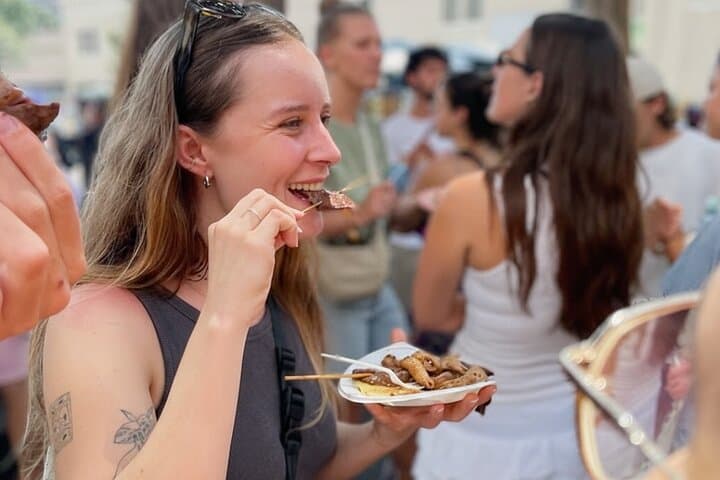


You step off Jirón de la Unión beneath the stoic façade of the Gran Hotel Bolívar and the city immediately engages the senses: frying oil and citrus, the dark hum of vendors, the clack of knives at the Central Market. Over three hours a local guide threads you through narrow stalls and wider plazas, each stop offering a focused story and a precise bite—ceviche bright with lime, anticuchos smoky from roadside grills, and picarones still warm and glazed.
You step off Jirón de la Unión beneath the stoic façade of the Gran Hotel Bolívar and the city immediately engages the senses: frying oil and citrus, the dark hum of vendors, the clack of knives at the Central Market. Over three hours a local guide threads you through narrow stalls and wider plazas, each stop offering a focused story and a precise bite—ceviche bright with lime, anticuchos smoky from roadside grills, and picarones still warm and glazed.
Lima’s food scene is a living archive of migration and geography. Founded in 1535 on a foggy coastal plain, the city’s cuisine blends pre-Columbian ingredients, Spanish colonial technique, African influences, and Chinese and Japanese flavors brought by 19th- and 20th-century immigrants—hence the lively chifa of Chinatown. Geology and oceanography shape the menu: the cold Humboldt Current delivers dense schools of fish that make ceviche a local constant.
Practically, the route is urban and flat—about a few kilometers of walking across the historic center and markets. The tour meets at Gran Hotel Bolívar and finishes near Plaza de Armas; tastings (13 included) move quickly, so arrive hungry. Guides explain ingredients and preparation and will flag allergens, but bring any dietary restrictions in advance. Small-group size keeps pace comfortable; wear sturdy shoes, carry water, and expect close quarters in market aisles. Best taken in late afternoon when markets and food stalls are active and the light softens the city’s stonework. For curious eaters, this walk is a compact, sensory primer on why Lima is considered Peru’s culinary capital.