THE ADVENTURE COLLECTIVE® · Independent discovery and booking for outdoor travel

Walk the streets where modern Peru was reshaped: a 3–4 hour private tour through Lima’s sites of conflict, led by a guide who lived the era. Hear firsthand stories about Sendero Luminoso and MRTA, visit memorials and learn how the city rebuilt after decades of violence.
Walk the streets where modern Peru was reshaped: a 3–4 hour private tour through Lima’s sites of conflict, led by a guide who lived the era. Hear firsthand stories about Sendero Luminoso and MRTA, visit memorials and learn how the city rebuilt after decades of violence.
A fog-slimmed morning on Tarata Street puts you at the center of a city still carrying its scars. The pavement holds dents from past explosions, storefronts wear quiet plaques, and your guide—someone who lived through the 1980s—steps forward with a voice that keeps history precise and human.
Verified experiences and guided adventures in the surrounding area.
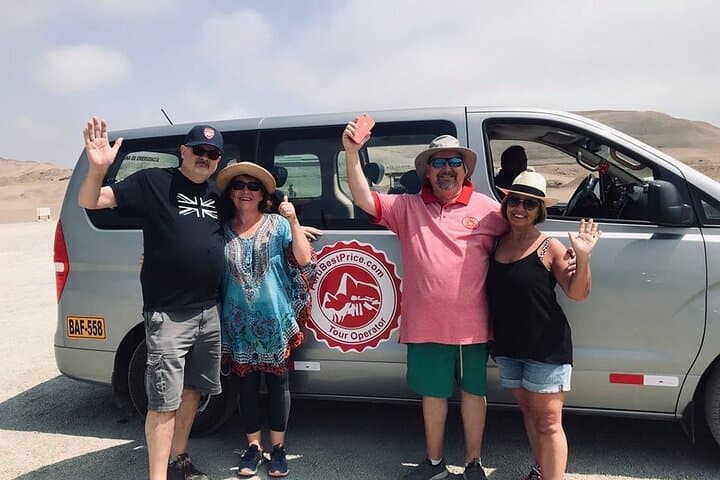
Operated by Peru Best Price travel agency & Tour Operator · Lima, Lima
A fog-slimmed morning on Tarata Street puts you at the center of a city still carrying its scars. The pavement holds dents from past explosions, storefronts wear quiet plaques, and your guide—someone who lived through the 1980s—steps forward with a voice that keeps history precise and human.
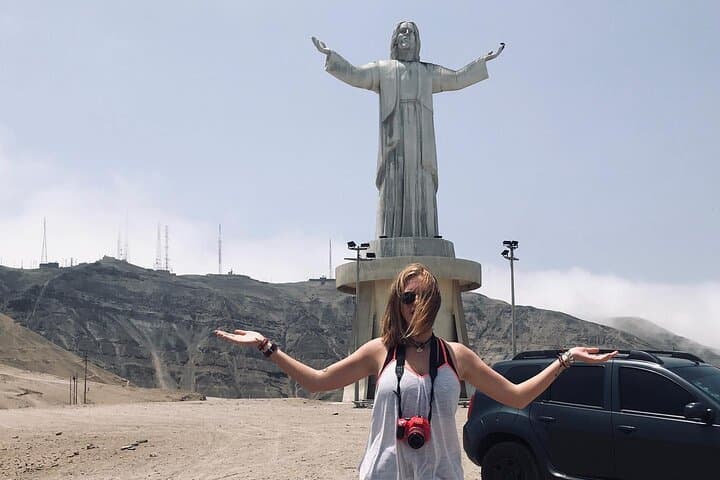
The tour traces Lima’s role during Peru’s internal conflict (1980–2000), when groups such as Sendero Luminoso (Shining Path) and the MRTA reshaped politics and daily life. You'll visit sites where attacks happened, pause at memorial plaques, and take a panoramic look at the house where a key leader was captured. Geology and urban form intersect here—coastal cliffs and the dense grid of Lima shaped movement, refuge and repression in different decades—and the city’s modern neighborhoods show how reconstruction layered over old wounds.
Culturally the tour is intimate: you’ll hear firsthand anecdotes about curfews, survival strategies, and grassroots solidarity. The guide contextualizes casualty figures, legal outcomes and the role of journalism and art in remembering. Expect rigorous but respectful narration; this is history-focused, not sensational.
Practical guidance: tours run 3–4 hours by private vehicle with short walks, so wear comfortable shoes and carry water. Photography is allowed but be discreet around memorials and survivors; ask before recording personal recollections. Morning departures avoid Lima’s afternoon traffic and give clearer, quieter stops. The experience is suitable for adults and older teens interested in contemporary history, human rights and urban memory.
easy.
3–4 hours.
Suitable for most fitness levels—short urban walks and vehicle transfers.
Most guides offer the tour in Spanish and English; confirm language availability when booking.
The tour discusses violence and loss; it’s recommended for adults and older teens; parental discretion advised for younger children.
This is a private tour—organizers typically arrange pickup by vehicle; contact the operator in advance (WhatsApp is suggested) to confirm the meeting point.
Photography is generally allowed, but privacy and memorial etiquette apply—always ask the guide before photographing survivors or sensitive memorial plaques.
From 1980 to 2000 Peru experienced internal armed conflict that caused over 69,000 fatalities; Lima was a focal point for political violence, urban attacks and later justice and remembrance efforts.
Respect memorial sites and local communities; supporting museums and ethical tours helps fund preservation and survivor-centered education.
Peru Best Price travel agency & Tour Operator operates guided outdoor trips and adventures with an emphasis on safety, stewardship, and memorable experiences.
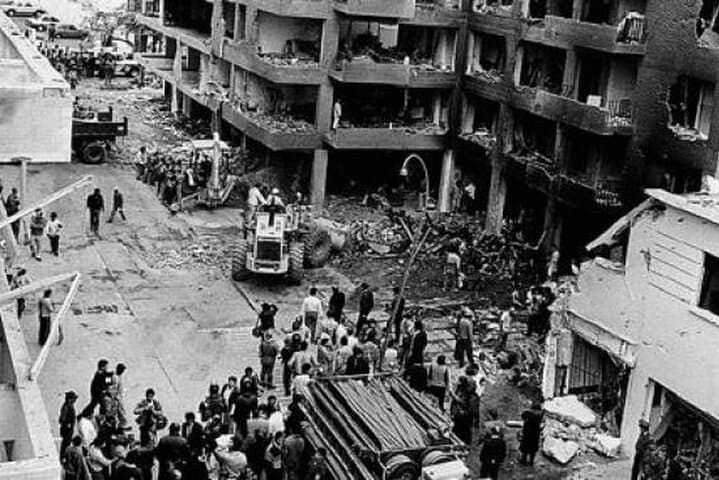
A fog-slimmed morning on Tarata Street puts you at the center of a city still carrying its scars. The pavement holds dents from past explosions, storefronts wear quiet plaques, and your guide—someone who lived through the 1980s—steps forward with a voice that keeps history precise and human.
A fog-slimmed morning on Tarata Street puts you at the center of a city still carrying its scars. The pavement holds dents from past explosions, storefronts wear quiet plaques, and your guide—someone who lived through the 1980s—steps forward with a voice that keeps history precise and human.
The tour traces Lima’s role during Peru’s internal conflict (1980–2000), when groups such as Sendero Luminoso (Shining Path) and the MRTA reshaped politics and daily life. You'll visit sites where attacks happened, pause at memorial plaques, and take a panoramic look at the house where a key leader was captured. Geology and urban form intersect here—coastal cliffs and the dense grid of Lima shaped movement, refuge and repression in different decades—and the city’s modern neighborhoods show how reconstruction layered over old wounds.
Culturally the tour is intimate: you’ll hear firsthand anecdotes about curfews, survival strategies, and grassroots solidarity. The guide contextualizes casualty figures, legal outcomes and the role of journalism and art in remembering. Expect rigorous but respectful narration; this is history-focused, not sensational.
Practical guidance: tours run 3–4 hours by private vehicle with short walks, so wear comfortable shoes and carry water. Photography is allowed but be discreet around memorials and survivors; ask before recording personal recollections. Morning departures avoid Lima’s afternoon traffic and give clearer, quieter stops. The experience is suitable for adults and older teens interested in contemporary history, human rights and urban memory.