THE ADVENTURE COLLECTIVE® · Independent discovery and booking for outdoor travel

Shop a bustling Lima market with a native chef, then learn to turn the day’s catch and produce into ceviche, causa, and classic mains. This private hands-on class mixes culinary history with practical technique, perfect for beginners and food lovers.
Shop a bustling Lima market with a native chef, then learn to turn the day’s catch and produce into ceviche, causa, and classic mains. This private hands-on class mixes culinary history with practical technique, perfect for beginners and food lovers.
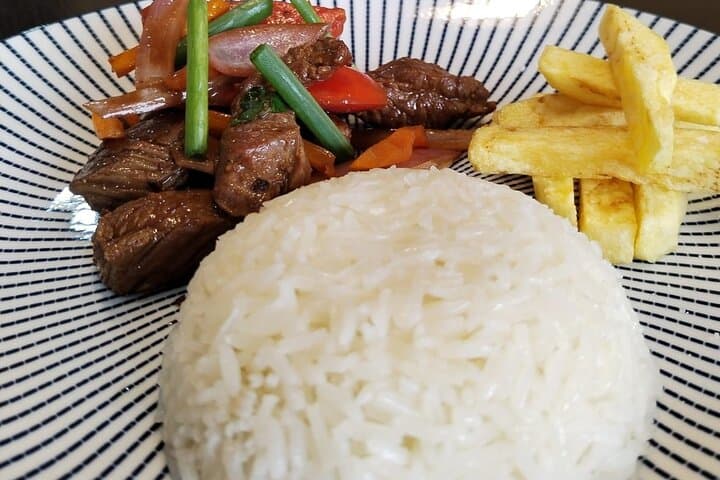
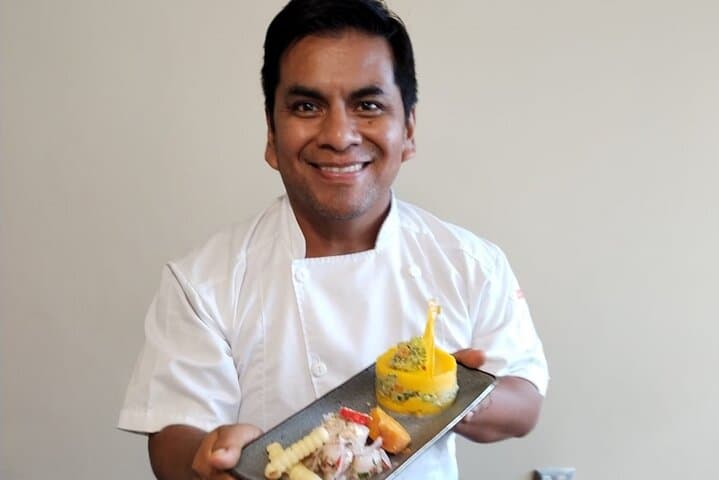
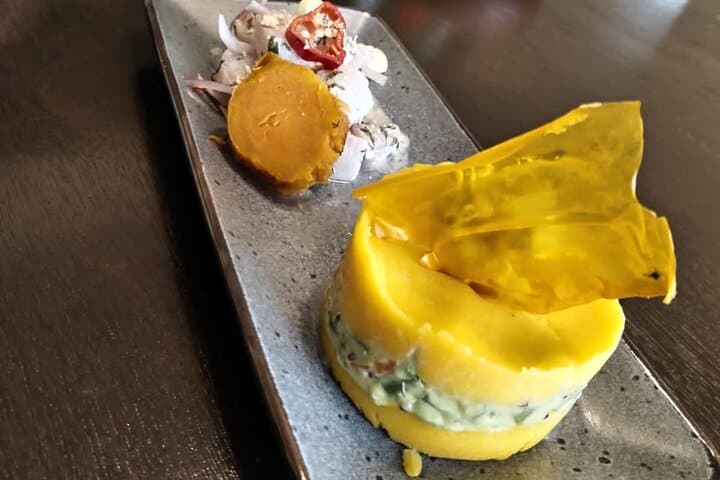
The day starts in a market where vendors call out over crates of lime, aji, and fresh fish; the Pacific’s salt air threads through aisles of mango and sweet potato, daring you to taste. You follow a native chef past stacked sacks of quinoa and jars of rocoto, selecting bright produce for a hands-on kitchen session that turns market finds into ceviche, causa, and a choice of Lomo Saltado or Ají de Gallina.
Verified experiences and guided adventures in the surrounding area.
Operated by Peruvian Worldview Tours · Lima, Lima
The day starts in a market where vendors call out over crates of lime, aji, and fresh fish; the Pacific’s salt air threads through aisles of mango and sweet potato, daring you to taste. You follow a native chef past stacked sacks of quinoa and jars of rocoto, selecting bright produce for a hands-on kitchen session that turns market finds into ceviche, causa, and a choice of Lomo Saltado or Ají de Gallina.
Lima’s cuisine reflects centuries of exchange—indigenous Andean staples meeting Spanish, African, Chinese (chifa) and Japanese influences—so the market is less a place of commerce than a living cookbook. Geographically, the city’s position on the arid Pacific coast has shaped its seafood traditions and the citrus-heavy flavors that define many plates.
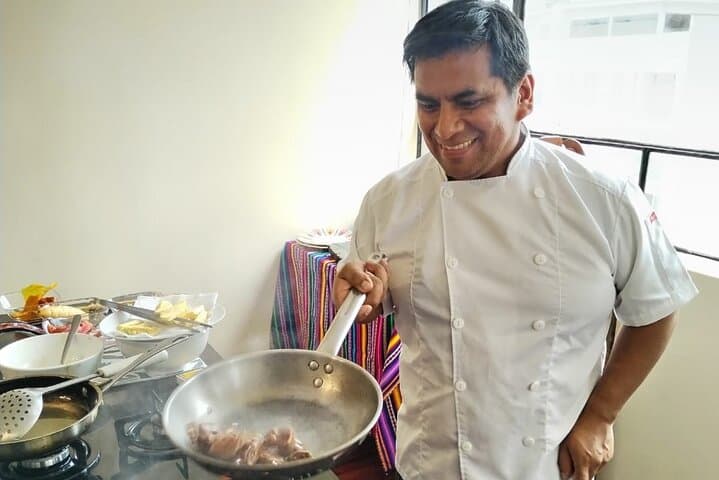
In the kitchen, expect practical technique: fish handling and acid “cooking” for ceviche, layering flavors for causa, and quick high-heat searing for Lomo Saltado. Vegetarian and gluten-free versions are standard, and the class includes a fruit tasting and a mini “salsa festival” to sample regional condiments.
Plan for about four hours; morning markets are liveliest and provide the best catch. Wear comfortable closed-toe shoes for walking, bring a reusable water bottle, and communicate dietary restrictions in advance. Photography is welcome but be respectful of vendors. The experience blends cultural context with clear, repeatable recipes—so you leave with a fuller palate and kitchen skills to recreate Peru’s coastal flavors.
easy.
4 hours.
Suitable for all fitness levels; requires standing and light walking in markets and the kitchen
Accessibility varies by market; cobbled aisles and crowded stalls may be challenging—check with the operator about specific access needs.
Yes—vegetarian, vegan, and gluten-free options are available if requested in advance.
Most classes provide written recipes or a summary of techniques so you can recreate dishes at home.
Ceviche uses raw fish ‘cooked’ in citrus—ensure you mention any concerns beforehand; chefs source fresh fish from local markets.
Lima’s food culture is the product of centuries of cultural fusion—Spanish colonial imports combined with Andean staples and immigrant cuisines from Asia and Africa.
Ask the chef about sustainable seafood choices and bring reusable bags to reduce single-use plastics; local markets are increasingly mindful of food waste and sourcing.
Peruvian Worldview Tours operates guided outdoor trips and adventures with an emphasis on safety, stewardship, and memorable experiences.
The day starts in a market where vendors call out over crates of lime, aji, and fresh fish; the Pacific’s salt air threads through aisles of mango and sweet potato, daring you to taste. You follow a native chef past stacked sacks of quinoa and jars of rocoto, selecting bright produce for a hands-on kitchen session that turns market finds into ceviche, causa, and a choice of Lomo Saltado or Ají de Gallina.
The day starts in a market where vendors call out over crates of lime, aji, and fresh fish; the Pacific’s salt air threads through aisles of mango and sweet potato, daring you to taste. You follow a native chef past stacked sacks of quinoa and jars of rocoto, selecting bright produce for a hands-on kitchen session that turns market finds into ceviche, causa, and a choice of Lomo Saltado or Ají de Gallina.
Lima’s cuisine reflects centuries of exchange—indigenous Andean staples meeting Spanish, African, Chinese (chifa) and Japanese influences—so the market is less a place of commerce than a living cookbook. Geographically, the city’s position on the arid Pacific coast has shaped its seafood traditions and the citrus-heavy flavors that define many plates.
In the kitchen, expect practical technique: fish handling and acid “cooking” for ceviche, layering flavors for causa, and quick high-heat searing for Lomo Saltado. Vegetarian and gluten-free versions are standard, and the class includes a fruit tasting and a mini “salsa festival” to sample regional condiments.
Plan for about four hours; morning markets are liveliest and provide the best catch. Wear comfortable closed-toe shoes for walking, bring a reusable water bottle, and communicate dietary restrictions in advance. Photography is welcome but be respectful of vendors. The experience blends cultural context with clear, repeatable recipes—so you leave with a fuller palate and kitchen skills to recreate Peru’s coastal flavors.