THE ADVENTURE COLLECTIVE® · Independent discovery and booking for outdoor travel

Spend a full day moving from coastal archaeological heights at Pachacamac to Miraflores’ Huaca Pucllana and the bohemian streets of Barranco. This guided tour pairs pre-Inca sanctuaries with colonial Lima and contemporary urban art.
Spend a full day moving from coastal archaeological heights at Pachacamac to Miraflores’ Huaca Pucllana and the bohemian streets of Barranco. This guided tour pairs pre-Inca sanctuaries with colonial Lima and contemporary urban art.
You step out of the minivan and the air changes — a Pacific breeze brushes the hill above the Lurín valley and the carved adobe walls of Pachacamac rise against an open sky. The guide gestures to the Temple of the Sun perched on the slope; below, the river threads toward the ocean, a landscape that once organized ritual life here.
Verified experiences and guided adventures in the surrounding area.
Operated by Inca Trilogy Tours · Lima, Lima
You step out of the minivan and the air changes — a Pacific breeze brushes the hill above the Lurín valley and the carved adobe walls of Pachacamac rise against an open sky. The guide gestures to the Temple of the Sun perched on the slope; below, the river threads toward the ocean, a landscape that once organized ritual life here.
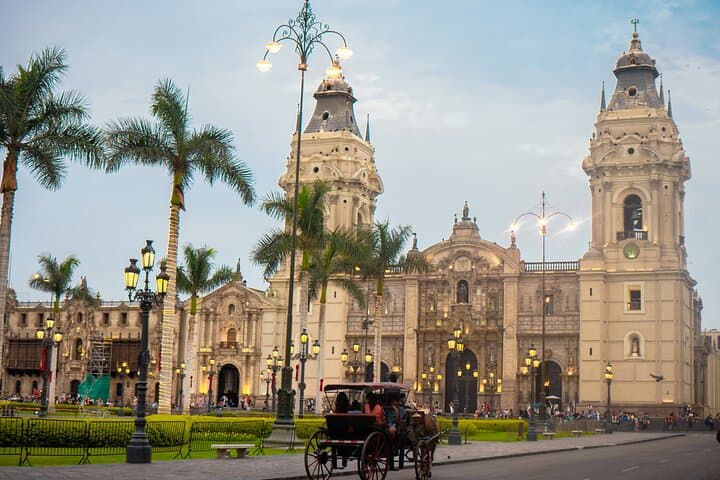
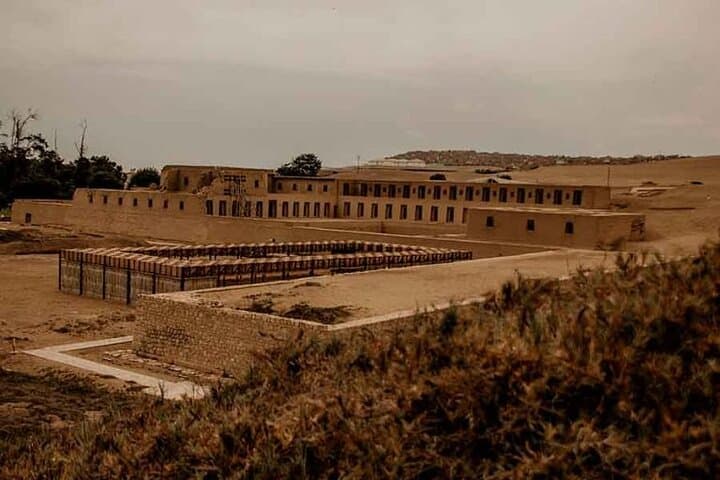
From Pachacamac’s painted walls and the Museo de Sitio to the tight alleys of colonial Lima, the day links pre-Inca ceremony with Spanish-era stonework and contemporary street art. The Huaca Pucllana in Miraflores reveals a compact adobe pyramid built by the Lima culture (4th–7th centuries), while the Convent of San Francisco delivers a darker chapter — Baroque vaults and catacombs that map colonial funerary practice.
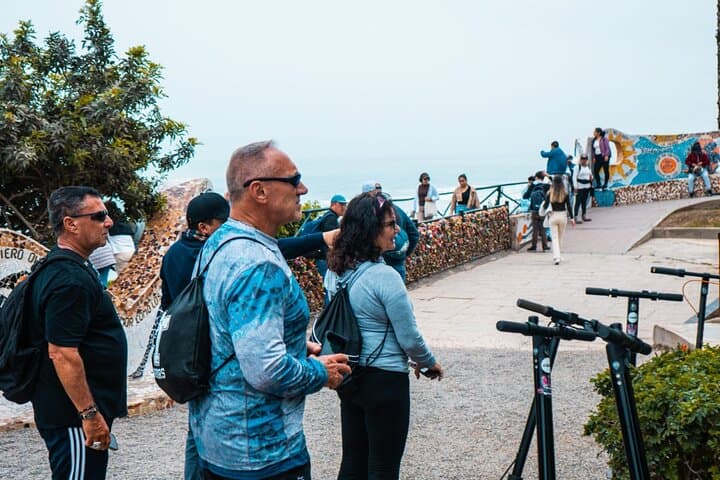
Barranco introduces a different rhythm: colorful murals, the Bridge of Sighs and cafés pulsing with local artists. Each stop traces layers of geology and history — coastal terraces shaped by seismic uplift, reclaimed river valleys, and a city founded by Pizarro in 1535 that grew along trade routes to the sea.
Practical edge: the tour runs roughly eight hours with hotel pickup and private transport included; bring a refillable water bottle, sun protection and comfortable shoes for uneven adobe and cobblestones. Lunch is not included — plan cash or card for a Barranco meal. Expect several short walks, occasional stairs at sites, and interpretive pauses where guides translate artifacts into context. This itinerary is compact but paced to let you move between civilizations while keeping your feet on firm ground.
easy.
8 hours.
Suitable for most fitness levels; involves multiple short walks and some stair climbs on uneven surfaces.
Yes — pickup and drop-off at hotels or Airbnbs in the selected districts are included in the tour.
Tickets to Huaca Pucllana, Pachacamac Museum and the Convent of San Francisco catacombs are included as stated in the itinerary.
The tour is rated easy but includes uneven ground, stairs and some short walks; children and guests with reduced mobility should check with the operator in advance about accessibility and any assistance required.
No — there is free time for lunch in Barranco; the guide can recommend local restaurants but meal costs are not included.
Pachacamac was a major religious center on the central coast before the Inca expansion; Lima city was established in 1535 and layered colonial architecture over earlier settlements.
Archaeological sites are fragile — stay on marked paths, avoid touching adobe structures, and support local guides who follow conservation rules to minimize visitor impact.
Inca Trilogy Tours operates guided outdoor trips and adventures with an emphasis on safety, stewardship, and memorable experiences.
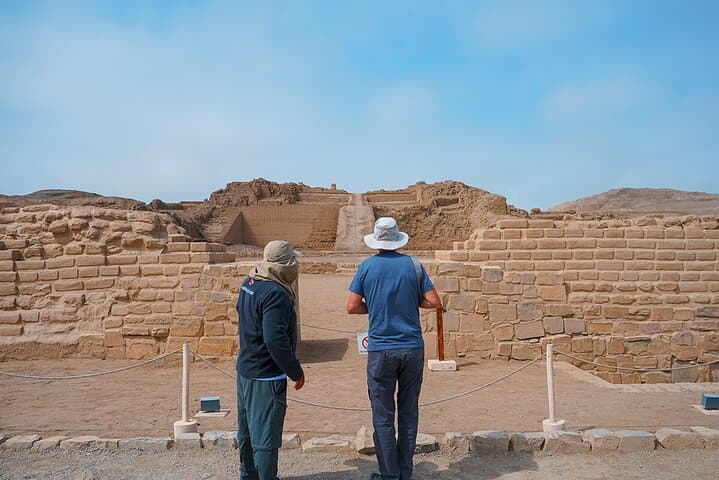
You step out of the minivan and the air changes — a Pacific breeze brushes the hill above the Lurín valley and the carved adobe walls of Pachacamac rise against an open sky. The guide gestures to the Temple of the Sun perched on the slope; below, the river threads toward the ocean, a landscape that once organized ritual life here.
You step out of the minivan and the air changes — a Pacific breeze brushes the hill above the Lurín valley and the carved adobe walls of Pachacamac rise against an open sky. The guide gestures to the Temple of the Sun perched on the slope; below, the river threads toward the ocean, a landscape that once organized ritual life here.
From Pachacamac’s painted walls and the Museo de Sitio to the tight alleys of colonial Lima, the day links pre-Inca ceremony with Spanish-era stonework and contemporary street art. The Huaca Pucllana in Miraflores reveals a compact adobe pyramid built by the Lima culture (4th–7th centuries), while the Convent of San Francisco delivers a darker chapter — Baroque vaults and catacombs that map colonial funerary practice.
Barranco introduces a different rhythm: colorful murals, the Bridge of Sighs and cafés pulsing with local artists. Each stop traces layers of geology and history — coastal terraces shaped by seismic uplift, reclaimed river valleys, and a city founded by Pizarro in 1535 that grew along trade routes to the sea.
Practical edge: the tour runs roughly eight hours with hotel pickup and private transport included; bring a refillable water bottle, sun protection and comfortable shoes for uneven adobe and cobblestones. Lunch is not included — plan cash or card for a Barranco meal. Expect several short walks, occasional stairs at sites, and interpretive pauses where guides translate artifacts into context. This itinerary is compact but paced to let you move between civilizations while keeping your feet on firm ground.