THE ADVENTURE COLLECTIVE® · Independent discovery and booking for outdoor travel

Walk Tarata Street, stand at Chorrillos' lookout and explore the LUM Museum on a guided, private 3–4 hour tour that traces Peru’s internal conflict. Expect firsthand stories, museum context, and practical city walking logistics.
Walk Tarata Street, stand at Chorrillos' lookout and explore the LUM Museum on a guided, private 3–4 hour tour that traces Peru’s internal conflict. Expect firsthand stories, museum context, and practical city walking logistics.
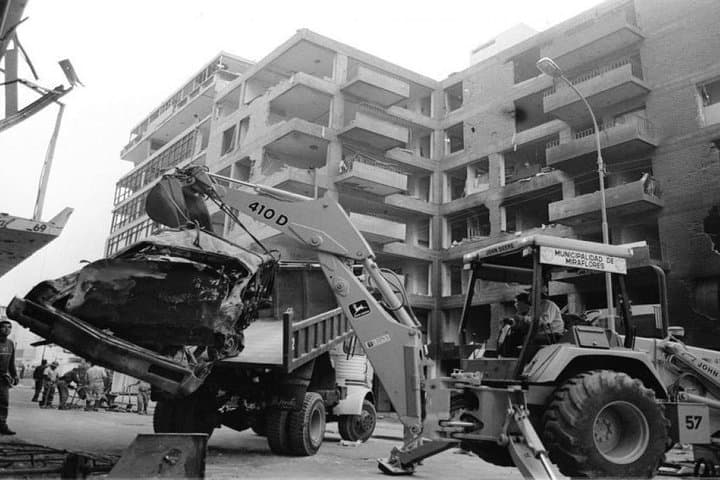
You arrive on a sun-washed avenue in Lima; cars hum, vendors call, and a narrow block—Tarata Street—holds a silence that feels deliberate. The guide leads, voice steady, pointing out a scar on the façade of a building and a small plaque where a blast once rearranged normal life. The city keeps moving, but the places on this route keep watch.
Verified experiences and guided adventures in the surrounding area.
Operated by Peru Best Price travel agency & Tour Operator · Lima, Lima
You arrive on a sun-washed avenue in Lima; cars hum, vendors call, and a narrow block—Tarata Street—holds a silence that feels deliberate. The guide leads, voice steady, pointing out a scar on the façade of a building and a small plaque where a blast once rearranged normal life. The city keeps moving, but the places on this route keep watch.
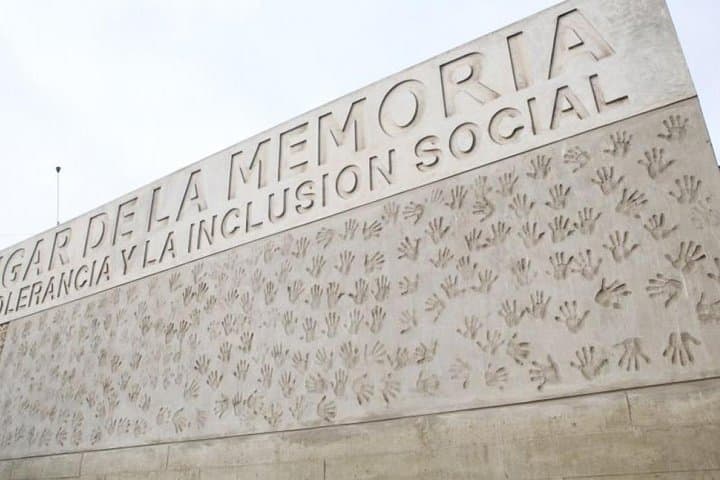
The walk links three pieces of recent Peruvian history: the Tarata bombing in Miraflores, the elevated view from Chorrillos where families remember loss, and the LUM Museum in San Borja that archives testimony from the internal conflict (1980–2000). Geology here is coastal plain—sandy soil under asphalt—so the story is human-made, marked on boulevards and in museums rather than cliffs. Culture and memory intersect: Limeños mix resilience with quiet memorials, and local anecdotes reveal how ordinary routines adapted during decades of unrest.
Practical guidance: expect 3–4 hours of mostly flat walking with brief vehicle transfers; bring comfortable shoes and water. The LUM enforces respectful behavior and has indoor exhibits—camera rules vary. Morning tours avoid traffic and crowds; late afternoon offers cooler air but shorter museum time. Photography is useful but ask before photographing personal memorials or survivors. Language: tours are typically in Spanish; confirm English if needed. Safety: this is a civic, educational route through safe neighborhoods, but keep standard urban precautions.
This is a tour designed for reflection more than spectacle—useful context, first-person accounts, and concrete waypoints help visitors understand the complex decades that shaped modern Lima.
easy.
3–4 hours.
Suitable for most people who can walk 1–3 miles on flat pavement and climb a few steps.
Yes—content covers difficult topics; parents should judge based on age and sensitivity. Logistically, the route is easy for families.
Photography rules vary by exhibit; the guide will advise which rooms permit photos and when to refrain out of respect.
No—mobile tickets are accepted, but confirm pickup details with the operator before arrival.
Guides typically speak Spanish; request an English-speaking guide at booking to ensure availability.
The internal conflict (1980–2000) between insurgent groups like Sendero Luminoso and state forces left tens of thousands dead; Lima’s public memorials and the LUM document this national trauma.
Respect for memorial sites and museum rules is essential; tours should avoid disturbing community-placed offerings and support the LUM’s educational mission.
Peru Best Price travel agency & Tour Operator operates guided outdoor trips and adventures with an emphasis on safety, stewardship, and memorable experiences.
You arrive on a sun-washed avenue in Lima; cars hum, vendors call, and a narrow block—Tarata Street—holds a silence that feels deliberate. The guide leads, voice steady, pointing out a scar on the façade of a building and a small plaque where a blast once rearranged normal life. The city keeps moving, but the places on this route keep watch.
You arrive on a sun-washed avenue in Lima; cars hum, vendors call, and a narrow block—Tarata Street—holds a silence that feels deliberate. The guide leads, voice steady, pointing out a scar on the façade of a building and a small plaque where a blast once rearranged normal life. The city keeps moving, but the places on this route keep watch.
The walk links three pieces of recent Peruvian history: the Tarata bombing in Miraflores, the elevated view from Chorrillos where families remember loss, and the LUM Museum in San Borja that archives testimony from the internal conflict (1980–2000). Geology here is coastal plain—sandy soil under asphalt—so the story is human-made, marked on boulevards and in museums rather than cliffs. Culture and memory intersect: Limeños mix resilience with quiet memorials, and local anecdotes reveal how ordinary routines adapted during decades of unrest.
Practical guidance: expect 3–4 hours of mostly flat walking with brief vehicle transfers; bring comfortable shoes and water. The LUM enforces respectful behavior and has indoor exhibits—camera rules vary. Morning tours avoid traffic and crowds; late afternoon offers cooler air but shorter museum time. Photography is useful but ask before photographing personal memorials or survivors. Language: tours are typically in Spanish; confirm English if needed. Safety: this is a civic, educational route through safe neighborhoods, but keep standard urban precautions.
This is a tour designed for reflection more than spectacle—useful context, first-person accounts, and concrete waypoints help visitors understand the complex decades that shaped modern Lima.