THE ADVENTURE COLLECTIVE® · Independent discovery and booking for outdoor travel

Live with Maasai families outside Arusha for 2–3 days—milk cows, cook over open fires and fetch water by donkey while watching Mount Meru set behind the hills. This hands-on homestay is practical, rustic and deeply local.
Live with Maasai families outside Arusha for 2–3 days—milk cows, cook over open fires and fetch water by donkey while watching Mount Meru set behind the hills. This hands-on homestay is practical, rustic and deeply local.
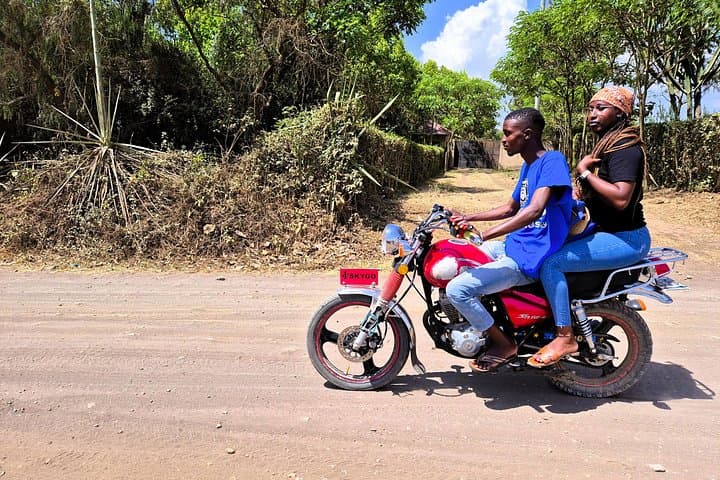
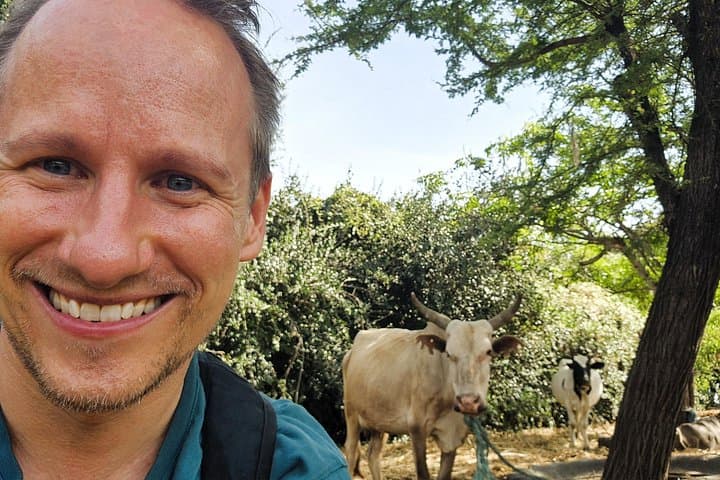
You arrive on a red-dust lane as late afternoon throws long shadows across grazing cattle; the air smells of wood smoke and fresh milk, and Mount Meru lowers into orange behind the ridgeline.
Verified experiences and guided adventures in the surrounding area.
Operated by Kanga Homestay · Arusha, Arusha Region
You arrive on a red-dust lane as late afternoon throws long shadows across grazing cattle; the air smells of wood smoke and fresh milk, and Mount Meru lowers into orange behind the ridgeline.
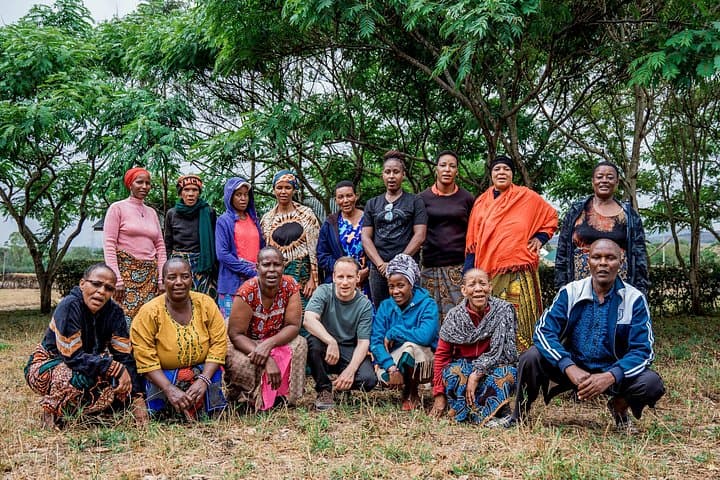
Likamba Homestay places you inside rural Maasai life outside Arusha—simple houses, communal tasks and clear rhythms tied to the sun. The village sits at roughly 1,400 m elevation on gently rolling savanna and acacia scrub, where footpaths cut between homesteads and donkeys still carry water and goods. Geologically, this is the volcanic foothills of Mount Meru, soils thin and stony where pastures patch the landscape.
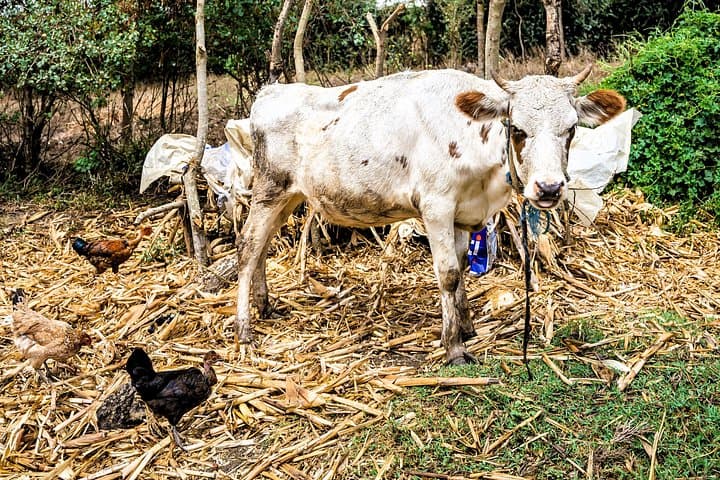
Culturally, expect hands-on learning: milking cows and goats at first light, fetching water with a donkey, preparing local meals on open fires and visiting a small market. Hosts speak Maa and Swahili; a local guide helps with translation and context. Meals are included (note limited service on arrival/departure days) and accommodations range from basic traditional huts to more comfortable family rooms.
Practicalities: minimum stay 2 nights (3 days), check-in after 2:00 PM, check-out before 11:00 AM. Bring cash (Tanzania shillings) for optional activities like traditional dance or beadwork, and pack sturdy closed shoes, sun protection and insect repellent. Water is available but bring a refill bottle and purification method if you prefer extra caution. Be prepared for rustic facilities and respectful dress—photography etiquette matters.
This stay is an experiential, low-impact way to spend time with families, learn daily pastoral skills, and end evenings watching Mount Meru silhouette the horizon.
moderate.
2–3 days.
Suitable for travelers in basic to moderate fitness able to stand, walk unpaved paths and help with light farm tasks.
Minimum stay is 2 nights / 3 days; arrival is treated as check-in date with activities arranged across the stay.
Yes, meals during your stay are included, though breakfast is not served on arrival day and some meals may be limited on departure day.
Yes—small optional activities and local purchases (dance, beadwork, snacks) are paid in Tanzanian shillings; carry enough for extras and tips.
Facilities vary from traditional Maasai huts to more comfortable family rooms; expect simple plumbing and communal amenities in many homestays.
The area is part of the Maasai cultural landscape that has long combined pastoralism with seasonal movements; Arusha’s foothills were shaped by the region’s volcanic activity centering on Mount Meru.
Homestays help support local incomes but bring visitor impact; minimize waste, avoid single-use plastics and follow hosts' guidance on water and firewood use.
Kanga Homestay operates guided outdoor trips and adventures with an emphasis on safety, stewardship, and memorable experiences.
You arrive on a red-dust lane as late afternoon throws long shadows across grazing cattle; the air smells of wood smoke and fresh milk, and Mount Meru lowers into orange behind the ridgeline.
You arrive on a red-dust lane as late afternoon throws long shadows across grazing cattle; the air smells of wood smoke and fresh milk, and Mount Meru lowers into orange behind the ridgeline.
Likamba Homestay places you inside rural Maasai life outside Arusha—simple houses, communal tasks and clear rhythms tied to the sun. The village sits at roughly 1,400 m elevation on gently rolling savanna and acacia scrub, where footpaths cut between homesteads and donkeys still carry water and goods. Geologically, this is the volcanic foothills of Mount Meru, soils thin and stony where pastures patch the landscape.
Culturally, expect hands-on learning: milking cows and goats at first light, fetching water with a donkey, preparing local meals on open fires and visiting a small market. Hosts speak Maa and Swahili; a local guide helps with translation and context. Meals are included (note limited service on arrival/departure days) and accommodations range from basic traditional huts to more comfortable family rooms.
Practicalities: minimum stay 2 nights (3 days), check-in after 2:00 PM, check-out before 11:00 AM. Bring cash (Tanzania shillings) for optional activities like traditional dance or beadwork, and pack sturdy closed shoes, sun protection and insect repellent. Water is available but bring a refill bottle and purification method if you prefer extra caution. Be prepared for rustic facilities and respectful dress—photography etiquette matters.
This stay is an experiential, low-impact way to spend time with families, learn daily pastoral skills, and end evenings watching Mount Meru silhouette the horizon.