THE ADVENTURE COLLECTIVE® · Independent discovery and booking for outdoor travel

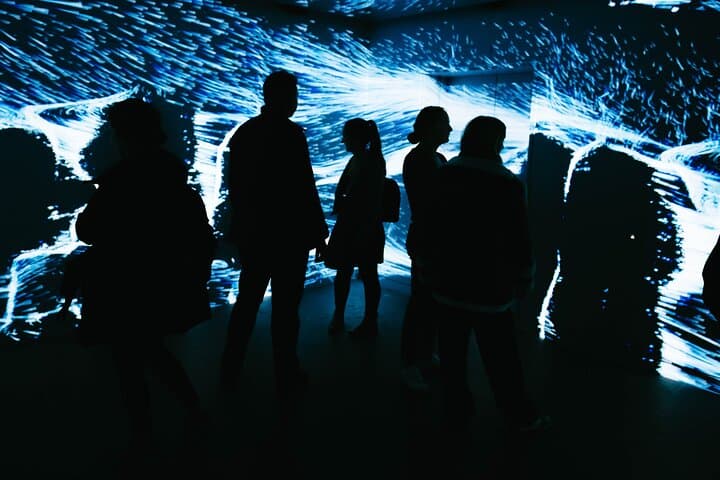
Ride Lift 109 up Battersea Power Station’s historic chimney for 360° views of London, starting in the atmospheric Art Deco Turbine Hall. This one-hour experience combines a compact multimedia exhibition with a high-rise viewpoint and practical access options.
Ride Lift 109 up Battersea Power Station’s historic chimney for 360° views of London, starting in the atmospheric Art Deco Turbine Hall. This one-hour experience combines a compact multimedia exhibition with a high-rise viewpoint and practical access options.
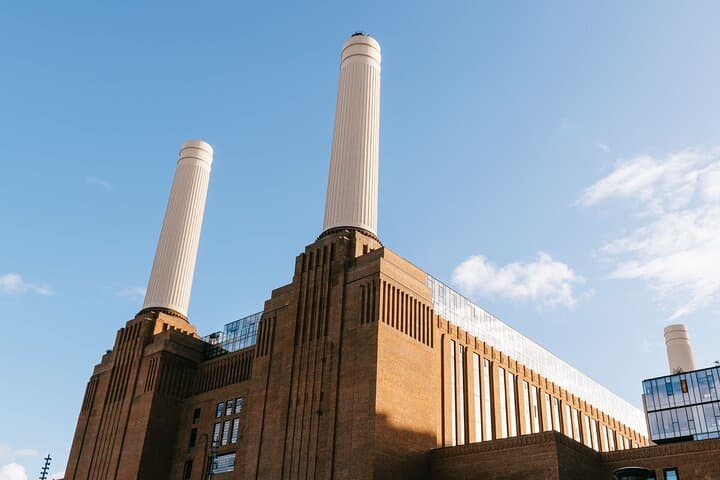
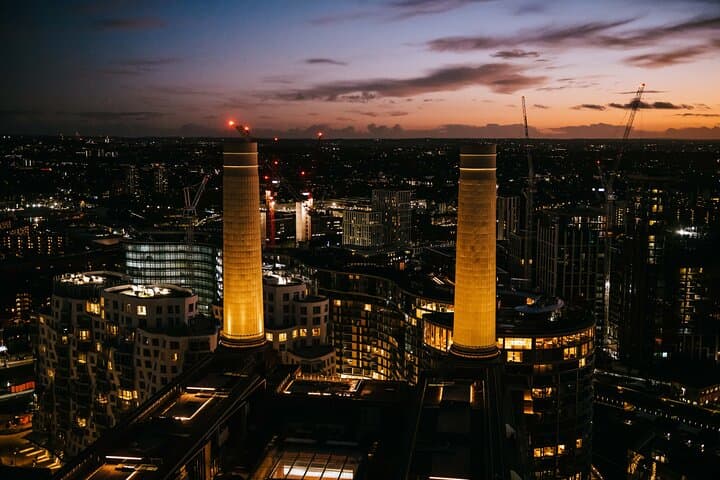
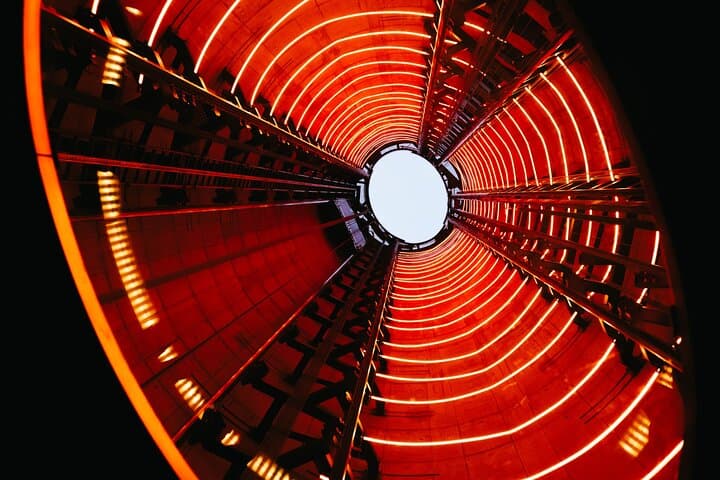
You step into Turbine Hall A and the air changes: brass-era engineering meets modern curation, and the chimney above hums with history. Lift 109 rises inside Battersea Power Station’s iconic flue, carrying you 109 meters up through an Art Deco shell to a panoramic crown where the London skyline unfolds in every direction — the Thames curving below, the glass shards of Canary Wharf eastward, and the West End’s rooftops to the north.
Verified experiences and guided adventures in the surrounding area.
Operated by Golden Tours Gray Line London · London, Greater London
You step into Turbine Hall A and the air changes: brass-era engineering meets modern curation, and the chimney above hums with history. Lift 109 rises inside Battersea Power Station’s iconic flue, carrying you 109 meters up through an Art Deco shell to a panoramic crown where the London skyline unfolds in every direction — the Thames curving below, the glass shards of Canary Wharf eastward, and the West End’s rooftops to the north.
The building itself is a story of 20th-century industry and 21st-century reinvention. Completed in stages from the 1930s, the power station powered London until the 1980s and then stood largely unused until a recent conservation-led redevelopment reintroduced public spaces while preserving its brick façades and turbine halls.
Battersea sits on a broad meander of the Thames; the geology is alluvial river plain, so the station’s weight and form were feats of industrial engineering rather than natural topography. The surrounding neighborhood has shifted from riverside industry to parks, cafes, and contemporary residential blocks — a mix of local community life and visitor energy.
Practical guidance: the full visit takes about an hour — plan 60 minutes to move through the exhibition, ride the lift, and linger on the viewing platform. Note there are 39 steps in the experience; a wheelchair lift is available on a scheduled basis. Bags larger than A4, wheeled luggage, and pets (except assistance dogs) are not permitted. Public transport access is straightforward; arrive five minutes early and keep tickets on hand. For photographers, golden hour brings the Thames and bridges into sharp relief; for quieter trips, aim for weekday mornings.
easy.
1 hour.
Suitable for most visitors; note there are 39 steps within the experience and some standing is required
The visit is planned for about 60 minutes, including the multimedia exhibition, ascent, time on the viewing platform, and descent.
Yes — there is a wheelchair lift available on the hour and on the half hour; book a matching time slot and check maximum wheelchair dimensions (115cm x 65cm).
No — only small A4-size bags are permitted; pushchairs are allowed only in the gallery space and cannot go into the lift.
Children aged 15 and under must be accompanied by an adult; infants two years and under enter free but must sit on laps.
Battersea Power Station was built in stages from the 1930s and became an industrial landmark before closing in the 1980s; recent redevelopment prioritized preserving its Art Deco turbine halls and chimneys.
The redevelopment sought to retain heritage fabric while introducing public access; visitors are asked to use public transport and travel light to reduce congestion and wear on historic interiors.
Golden Tours Gray Line London operates guided outdoor trips and adventures with an emphasis on safety, stewardship, and memorable experiences.
You step into Turbine Hall A and the air changes: brass-era engineering meets modern curation, and the chimney above hums with history. Lift 109 rises inside Battersea Power Station’s iconic flue, carrying you 109 meters up through an Art Deco shell to a panoramic crown where the London skyline unfolds in every direction — the Thames curving below, the glass shards of Canary Wharf eastward, and the West End’s rooftops to the north.
You step into Turbine Hall A and the air changes: brass-era engineering meets modern curation, and the chimney above hums with history. Lift 109 rises inside Battersea Power Station’s iconic flue, carrying you 109 meters up through an Art Deco shell to a panoramic crown where the London skyline unfolds in every direction — the Thames curving below, the glass shards of Canary Wharf eastward, and the West End’s rooftops to the north.
The building itself is a story of 20th-century industry and 21st-century reinvention. Completed in stages from the 1930s, the power station powered London until the 1980s and then stood largely unused until a recent conservation-led redevelopment reintroduced public spaces while preserving its brick façades and turbine halls.
Battersea sits on a broad meander of the Thames; the geology is alluvial river plain, so the station’s weight and form were feats of industrial engineering rather than natural topography. The surrounding neighborhood has shifted from riverside industry to parks, cafes, and contemporary residential blocks — a mix of local community life and visitor energy.
Practical guidance: the full visit takes about an hour — plan 60 minutes to move through the exhibition, ride the lift, and linger on the viewing platform. Note there are 39 steps in the experience; a wheelchair lift is available on a scheduled basis. Bags larger than A4, wheeled luggage, and pets (except assistance dogs) are not permitted. Public transport access is straightforward; arrive five minutes early and keep tickets on hand. For photographers, golden hour brings the Thames and bridges into sharp relief; for quieter trips, aim for weekday mornings.