THE ADVENTURE COLLECTIVE® · Independent discovery and booking for outdoor travel

A focused two‑hour private walk through Liège’s historic heart: Place Saint‑Lambert, Le Carré, Montagne de Bueren and riverside streets. Expect cobbles, steep stairs (374 steps) and compact cultural highlights—ideal for first‑time visitors who want a local orientation.
A focused two‑hour private walk through Liège’s historic heart: Place Saint‑Lambert, Le Carré, Montagne de Bueren and riverside streets. Expect cobbles, steep stairs (374 steps) and compact cultural highlights—ideal for first‑time visitors who want a local orientation.
You step onto cool cobbles at Place Saint-Lambert where the city breathes around a ruined cathedral footprint and the Meuse glints like a ribbon that dares you to follow it.
Verified experiences and guided adventures in the surrounding area.
Operated by Diaries of an explorer · Liège, Liège
You step onto cool cobbles at Place Saint-Lambert where the city breathes around a ruined cathedral footprint and the Meuse glints like a ribbon that dares you to follow it.
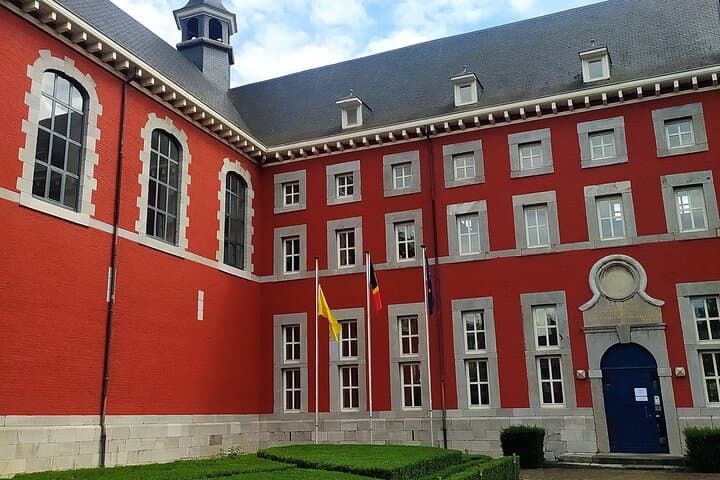
In two hours the tour threads through layers of Liège history: Roman foundations beneath Gothic spires, the Prince-Bishops’ square, and the market energy of La Batte. The route climbs the Montagne de Bueren — 374 iron‑ringed steps built in 1881 — that push you up a steep urban flank to a wide city view. Buildings change from stone and slate to redbrick factory facades, reminders of Liège’s 19th‑century industrial surge and its role in European metallurgy.
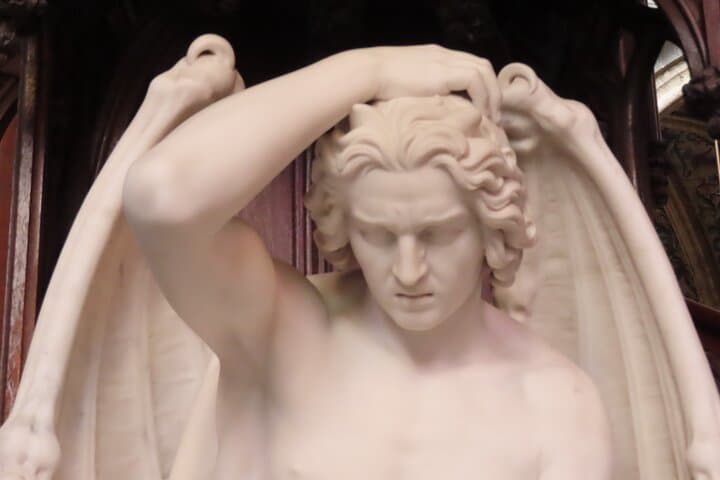
Culturally the city mixes frank Walloon warmth, small bakeries selling boulets and waffles, and Le Carré’s bar scene where locals unwind. Architecturally, look for Mosan art in the Grand Curtius and the carved portals of Saint Paul’s Cathedral; geologically the Meuse valley carved the low basin that let industry and trade gather here.
Practical guidance: wear grippy shoes for uneven cobbles and the Montagne de Bueren steps, and expect short slopes and narrow alleys. The tour is private and compact — ideal for first‑time visitors who want orientation plus three or four stopovers rather than museum deep dives. Morning light softens the stonework and keeps La Batte market lively; late afternoons bring bar crowds to Le Carré. Public transport and trams connect easily; many sections are accessible but the stairway is steep.
easy.
2 hours.
Light walking fitness; able to manage a steady flight of 374 steps if you choose to climb Montagne de Bueren
The tour can be adapted to avoid steep steps; several central squares and riverside paths are wheelchair accessible, but the Montagne de Bueren stairway itself is not.
No—this walking tour highlights exterior views and neighborhoods; museum entry fees such as Grand Curtius are not included.
Montagne de Bueren has 374 steps and is a short but steep climb that rewards you with panoramic city views.
Most itineraries meet at or near Place Saint‑Lambert in central Liège, a convenient public‑transport hub and easy landmark to find.
Liège grew around the Prince‑Bishops’ authority; the city’s 19th‑century industrial expansion left redbrick factories and collections like the Grand Curtius reflecting regional trade and metalworking heritage.
The Meuse corridor and old‑town streets are sensitive to erosion and litter; stick to pavements, support local businesses, and avoid feeding wildlife to reduce human impact.
Diaries of an explorer operates guided outdoor trips and adventures with an emphasis on safety, stewardship, and memorable experiences.
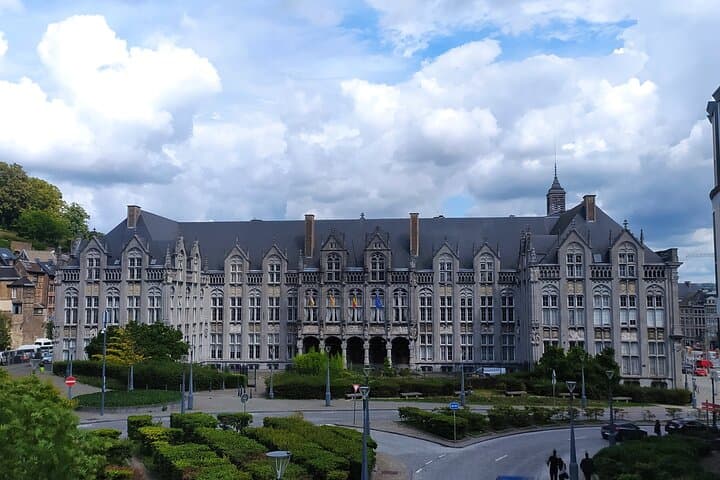
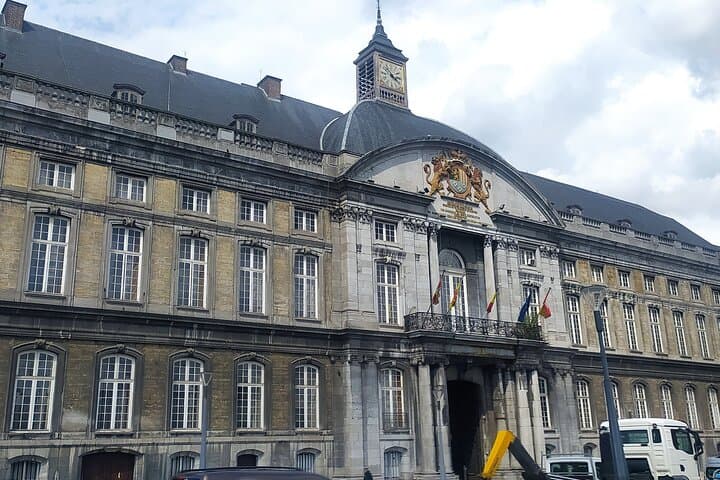
You step onto cool cobbles at Place Saint-Lambert where the city breathes around a ruined cathedral footprint and the Meuse glints like a ribbon that dares you to follow it.
You step onto cool cobbles at Place Saint-Lambert where the city breathes around a ruined cathedral footprint and the Meuse glints like a ribbon that dares you to follow it.
In two hours the tour threads through layers of Liège history: Roman foundations beneath Gothic spires, the Prince-Bishops’ square, and the market energy of La Batte. The route climbs the Montagne de Bueren — 374 iron‑ringed steps built in 1881 — that push you up a steep urban flank to a wide city view. Buildings change from stone and slate to redbrick factory facades, reminders of Liège’s 19th‑century industrial surge and its role in European metallurgy.
Culturally the city mixes frank Walloon warmth, small bakeries selling boulets and waffles, and Le Carré’s bar scene where locals unwind. Architecturally, look for Mosan art in the Grand Curtius and the carved portals of Saint Paul’s Cathedral; geologically the Meuse valley carved the low basin that let industry and trade gather here.
Practical guidance: wear grippy shoes for uneven cobbles and the Montagne de Bueren steps, and expect short slopes and narrow alleys. The tour is private and compact — ideal for first‑time visitors who want orientation plus three or four stopovers rather than museum deep dives. Morning light softens the stonework and keeps La Batte market lively; late afternoons bring bar crowds to Le Carré. Public transport and trams connect easily; many sections are accessible but the stairway is steep.