THE ADVENTURE COLLECTIVE® · Independent discovery and booking for outdoor travel

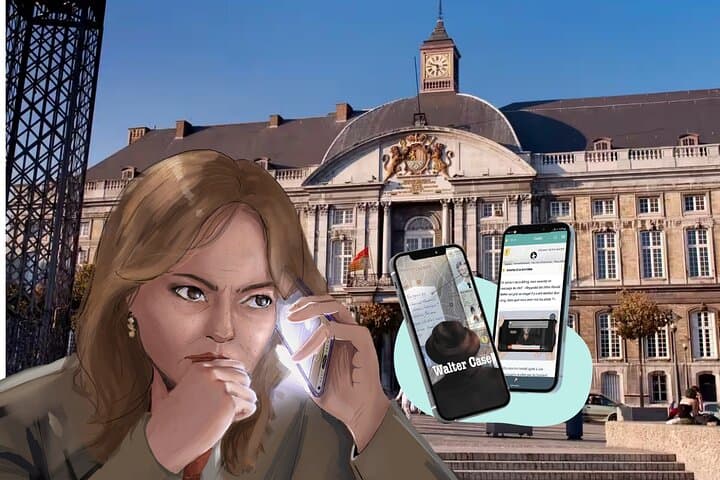
Play detective through Liège’s streets in The Walter Case, a self-guided urban escape game that blends architecture, local history and timed puzzles. Solve clues with friends as the city around you becomes both setting and suspect.
Play detective through Liège’s streets in The Walter Case, a self-guided urban escape game that blends architecture, local history and timed puzzles. Solve clues with friends as the city around you becomes both setting and suspect.
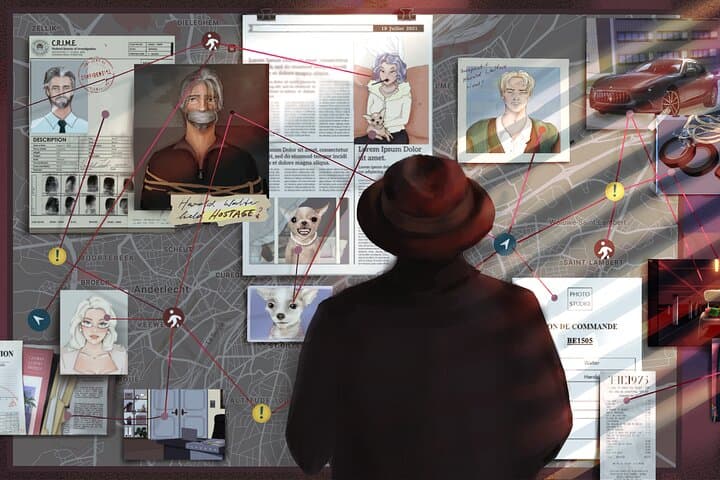
You step off Place Saint-Lambert into a city that talks back: tram bells, the Meuse sparking beyond low stone quays, and narrow streets that hide clues between bakery windows and wrought-iron balconies. The app lights up — a bomb is rumored to be ticking somewhere in town, and you have two hours and a half to chase leads, question suspects and choose the route that will defuse the plot.
Verified experiences and guided adventures in the surrounding area.
Operated by Coddy · Liège, Liège Province
You step off Place Saint-Lambert into a city that talks back: tram bells, the Meuse sparking beyond low stone quays, and narrow streets that hide clues between bakery windows and wrought-iron balconies. The app lights up — a bomb is rumored to be ticking somewhere in town, and you have two hours and a half to chase leads, question suspects and choose the route that will defuse the plot.
Liège wears its history on its facades. Once a Roman settlement turned Prince-Bishopric and later an industrial hub, the city’s layered past shows in limestone buildings, river-carved quays, and post-industrial promenades along the Meuse. The Walter Case plays with those layers, sending you through pedestrian lanes, public squares and riverside stretches while asking you to read architecture and street life as evidence. The story adapts to your choices: decide who to pursue, where to search, and which clues to trust.
Practical edge: the game is self-guided on your smartphone, designed for roughly 150 minutes of walking and problem-solving; it’s accessible and stroller/wheelchair friendly in most sections. Expect cobbles and urban steps, intermittent crowds, and weather that can shift quickly — plan with layered clothing and a charged phone. Use public transport to begin and end at central points, and allow extra time if you want to linger at cafés or museums afterwards. Bring a power bank, split tasks among teammates, and keep an eye on the app’s clock — the story tightens as the minutes fall.
easy.
2–3 hours.
Suitable for most fitness levels; requires standing and urban walking but no technical fitness.
The experience is designed for about 150 minutes (2.5 hours), but you can move faster or linger; game validity is up to three years after purchase.
Yes — most routes are wheelchair and stroller accessible, though some historic corners may have steeper pavements; route choices can usually avoid stairs.
No — the game is suitable for beginners and families; puzzles scale with your choices, and 24/7 online support is included if you get stuck.
Yes — this is a self-guided mobile experience with on-demand start times; one booking covers your group for the session.
Liège grew from a Roman river crossing to a medieval Prince-Bishopric and later an industrial center; its streets reflect administrative, ecclesiastical and working-class layers.
The game encourages low-impact exploration — respect historic facades, avoid trespassing, and pack out litter to protect Liège’s public spaces.
Coddy operates guided outdoor trips and adventures with an emphasis on safety, stewardship, and memorable experiences.
You step off Place Saint-Lambert into a city that talks back: tram bells, the Meuse sparking beyond low stone quays, and narrow streets that hide clues between bakery windows and wrought-iron balconies. The app lights up — a bomb is rumored to be ticking somewhere in town, and you have two hours and a half to chase leads, question suspects and choose the route that will defuse the plot.
You step off Place Saint-Lambert into a city that talks back: tram bells, the Meuse sparking beyond low stone quays, and narrow streets that hide clues between bakery windows and wrought-iron balconies. The app lights up — a bomb is rumored to be ticking somewhere in town, and you have two hours and a half to chase leads, question suspects and choose the route that will defuse the plot.
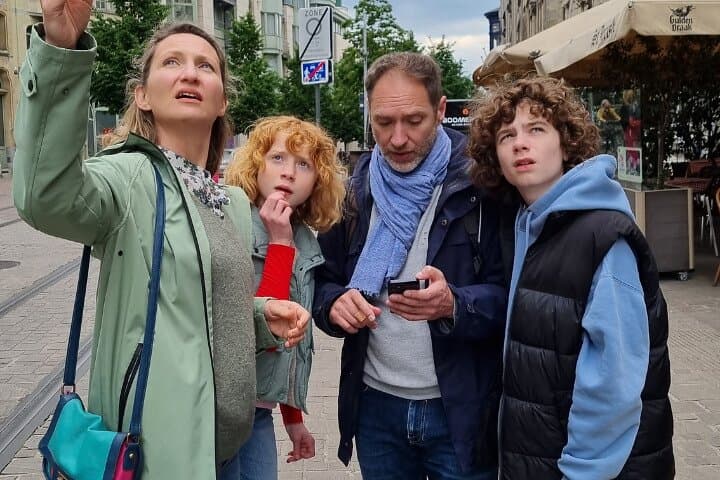
Liège wears its history on its facades. Once a Roman settlement turned Prince-Bishopric and later an industrial hub, the city’s layered past shows in limestone buildings, river-carved quays, and post-industrial promenades along the Meuse. The Walter Case plays with those layers, sending you through pedestrian lanes, public squares and riverside stretches while asking you to read architecture and street life as evidence. The story adapts to your choices: decide who to pursue, where to search, and which clues to trust.
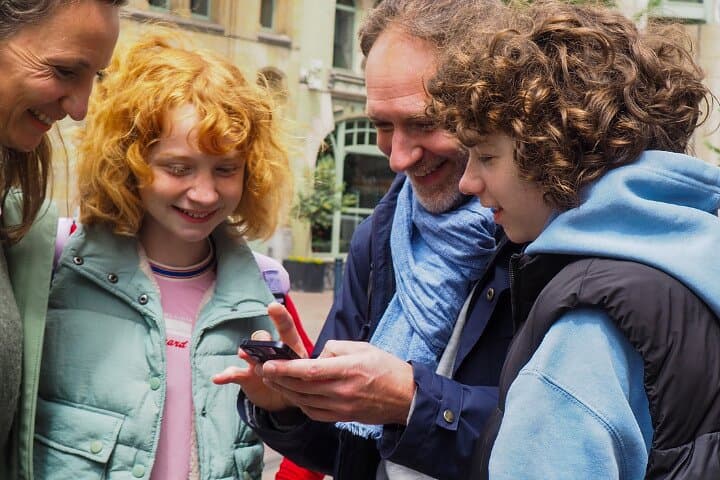
Practical edge: the game is self-guided on your smartphone, designed for roughly 150 minutes of walking and problem-solving; it’s accessible and stroller/wheelchair friendly in most sections. Expect cobbles and urban steps, intermittent crowds, and weather that can shift quickly — plan with layered clothing and a charged phone. Use public transport to begin and end at central points, and allow extra time if you want to linger at cafés or museums afterwards. Bring a power bank, split tasks among teammates, and keep an eye on the app’s clock — the story tightens as the minutes fall.