THE ADVENTURE COLLECTIVE® · Independent discovery and booking for outdoor travel

Spend two hours in a Livingstone care home meeting residents and helping with daily chores. This small-group visit offers an up-close look at local community life, practical volunteer tasks, and cultural exchange.
Spend two hours in a Livingstone care home meeting residents and helping with daily chores. This small-group visit offers an up-close look at local community life, practical volunteer tasks, and cultural exchange.
The group arrives off the main road and steps into a courtyard where conversation and daily tasks shape the rhythm of the afternoon.
Verified experiences and guided adventures in the surrounding area.
Operated by Tour All Africa · Livingstone, Southern Province
The group arrives off the main road and steps into a courtyard where conversation and daily tasks shape the rhythm of the afternoon.
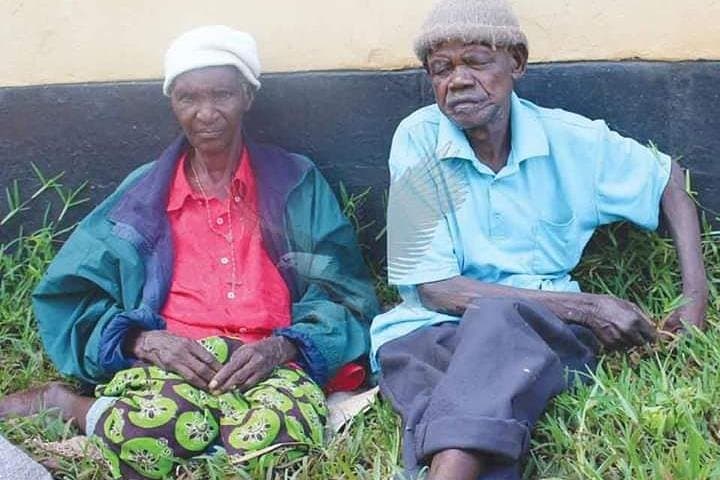
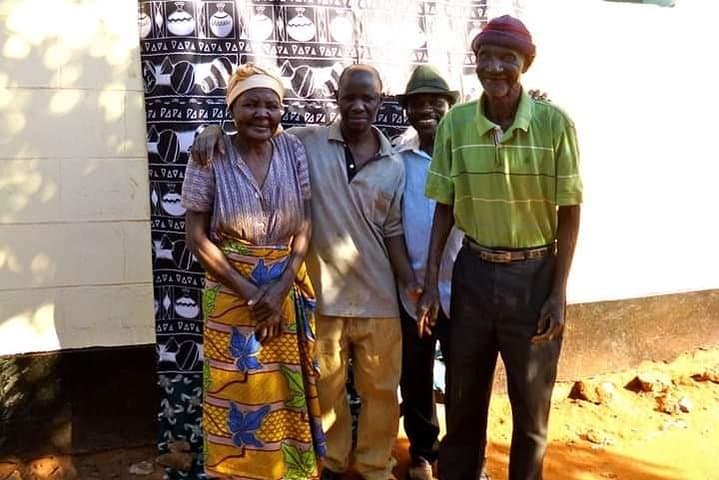
Sun warms the brick and painted walls; the scent of wood smoke and a vegetable garden hangs in the air. Over two hours visitors meet residents, help with cooking, sewing, washing and gardening, and learn how daily life is organized at this community care home on the outskirts of Livingstone.
Livingstone grew around mission stations and colonial trade routes tied to the Zambezi; community care institutions like Libuyu reflect long-standing local practices of family and mutual aid adapted to 20th‑century social services. Geologically the region sits on the southern edge of the Zambezi floodplain, with red lateritic soils that support the small gardens you’ll tend and the mopane and baobab trees that shade the compound.
Expect to exchange simple, respectful conversation—photos are fine when invited—and to leave with a clearer sense of local daily life rather than a tourist performance. Group size is small (up to 15), transport is by air‑conditioned vehicle, and the visit is wheelchair accessible.
Practical tips: bring modest, weather-appropriate clothing and closed-toe shoes for light chores; carry a reusable water bottle and small cash if you plan to support the home. The visit runs about 2 hours and suits most fitness levels; it’s best scheduled in the cooler morning or late afternoon to avoid the midday heat. This visit is less about sightseeing and more about connection—showing up with patience, respect and curiosity makes the experience valuable for both visitors and residents.
easy.
2 hours.
Suitable for most fitness levels; light standing and basic household tasks expected
Yes—transport is typically by air‑conditioned vehicle as listed in the tour inclusions; confirm pickup point when booking.
Yes—the site and transportation options are noted as wheelchair accessible; advise the operator of needs at booking.
Children can attend but infants must sit on laps; consider the residents’ comfort and check age suitability with the operator.
Small cash donations or purchasing local crafts is appropriate—ask staff how best to contribute rather than giving unsolicited items.
Livingstone town developed around mission stations and the boom of colonial trade on the Zambezi; community homes reflect a history of mission and local social care.
Visits should be low-impact: respect privacy, limit single-use plastics and follow staff guidance to support the home sustainably.
Tour All Africa operates guided outdoor trips and adventures with an emphasis on safety, stewardship, and memorable experiences.
The group arrives off the main road and steps into a courtyard where conversation and daily tasks shape the rhythm of the afternoon.
The group arrives off the main road and steps into a courtyard where conversation and daily tasks shape the rhythm of the afternoon.
Sun warms the brick and painted walls; the scent of wood smoke and a vegetable garden hangs in the air. Over two hours visitors meet residents, help with cooking, sewing, washing and gardening, and learn how daily life is organized at this community care home on the outskirts of Livingstone.
Livingstone grew around mission stations and colonial trade routes tied to the Zambezi; community care institutions like Libuyu reflect long-standing local practices of family and mutual aid adapted to 20th‑century social services. Geologically the region sits on the southern edge of the Zambezi floodplain, with red lateritic soils that support the small gardens you’ll tend and the mopane and baobab trees that shade the compound.
Expect to exchange simple, respectful conversation—photos are fine when invited—and to leave with a clearer sense of local daily life rather than a tourist performance. Group size is small (up to 15), transport is by air‑conditioned vehicle, and the visit is wheelchair accessible.
Practical tips: bring modest, weather-appropriate clothing and closed-toe shoes for light chores; carry a reusable water bottle and small cash if you plan to support the home. The visit runs about 2 hours and suits most fitness levels; it’s best scheduled in the cooler morning or late afternoon to avoid the midday heat. This visit is less about sightseeing and more about connection—showing up with patience, respect and curiosity makes the experience valuable for both visitors and residents.