THE ADVENTURE COLLECTIVE® · Independent discovery and booking for outdoor travel

A 15‑day high‑altitude circuit from Lhasa to Everest Base Camp and the holy Mt. Kailash, combining cultural highlights, long scenic drives and a multi‑day kora around Kailash. Expect long drives, thin air and basic guesthouses as part of the pilgrimage experience.
A 15‑day high‑altitude circuit from Lhasa to Everest Base Camp and the holy Mt. Kailash, combining cultural highlights, long scenic drives and a multi‑day kora around Kailash. Expect long drives, thin air and basic guesthouses as part of the pilgrimage experience.
You step out into thin, cold air on arrival in Lhasa; the Potala’s white tiers catch the plateau light and force a slow, reverent breath. For three days the city’s prayer wheels, Jokhang’s pilgrim circuits and Barkhor Street’s market reset your pace — a deliberate easing before long highway days and higher passes sweep you west toward Everest Base Camp and sacred Mt. Kailash.
Verified experiences and guided adventures in the surrounding area.
Operated by Tibet Vista · Lhasa, Tibet Autonomous Region
You step out into thin, cold air on arrival in Lhasa; the Potala’s white tiers catch the plateau light and force a slow, reverent breath. For three days the city’s prayer wheels, Jokhang’s pilgrim circuits and Barkhor Street’s market reset your pace — a deliberate easing before long highway days and higher passes sweep you west toward Everest Base Camp and sacred Mt. Kailash.
This journey traces both modern roads and ancient pilgrimage lines. Geologically the route skirts the Gangdise batholith and the southern edge of the Tibetan Plateau, where uplifted granite gives way to glacially polished valleys. Culturally the itinerary threads the great Gelug monasteries — Potala, Sera, Tashilhunpo — and the living practice of kora around temples and mountains that matter to Buddhists, Bon, Hindus and Jains.
Expect long drives (300–450 km legs), sustained altitude above 4,500 m and three days of kora with maximum passes near 5,630 m. Accommodation alternates between 3‑star hotels in Lhasa and Shigatse and basic guesthouses or dorms near EBC and the Kailash kora. Services include an English‑speaking Tibetan guide, permits handled by the operator, and oxygen in vehicles for altitude support.
Practical notes: build time for acclimatization, hydrate deliberately, carry a compact first‑aid kit and blister protection, and respect local religious customs (no touching shrines; ask before photographing inside temples). If you plan yak or porter support for the kora, budget extra — and send passport and China L‑visa details well in advance for Tibet permits.
challenging.
15 days.
Good aerobic fitness required; able to walk 10–18 km on consecutive days at high altitude and handle long vehicle transfers.
Yes — a Tibet Travel Permit is required for all foreign visitors; your operator arranges it but needs passport and China L‑visa copies about 20 days prior.
Late spring to early autumn (May–October) offers milder temperatures and more reliable road access; July–August is wetter but accessible.
The kora involves 13–18 km days with a high pass around 5,630 m — challenging because of altitude rather than technical terrain; moderate to strong fitness is recommended.
Mild altitude symptoms are common; operators provide oxygen in vehicles and advise acclimatization, slow ascent and consulting a physician about prophylactic medication like acetazolamide (Diamox).
The route links Lhasa’s centuries‑old monastic centers with pilgrimage roads to Mt. Kailash; Kailash itself is a sacred summit for multiple faiths and has drawn pilgrims for millennia.
The high plateau is ecologically fragile — stay on trails, pack out waste, limit fuel use and respect pastoral lands; permits help control visitor impact.
Tibet Vista operates guided outdoor trips and adventures with an emphasis on safety, stewardship, and memorable experiences.
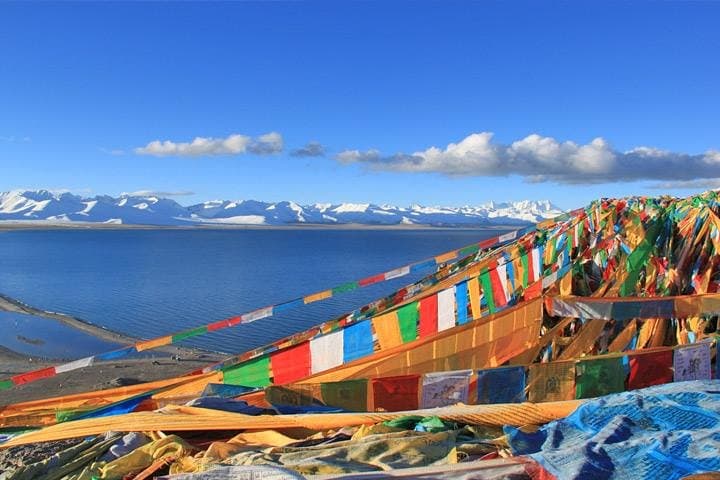

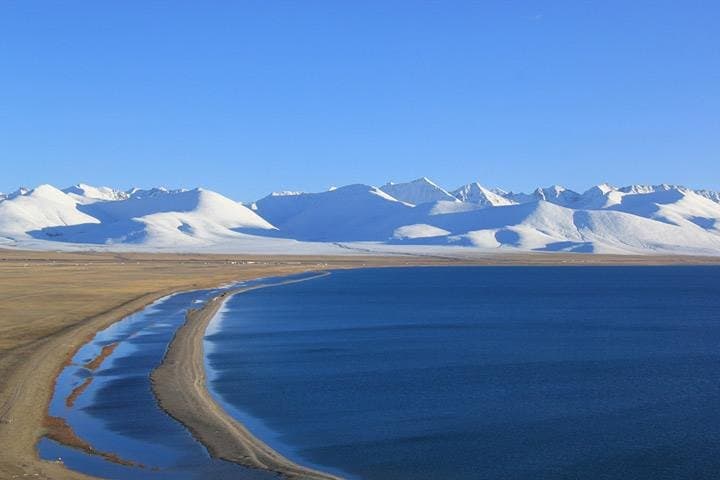

You step out into thin, cold air on arrival in Lhasa; the Potala’s white tiers catch the plateau light and force a slow, reverent breath. For three days the city’s prayer wheels, Jokhang’s pilgrim circuits and Barkhor Street’s market reset your pace — a deliberate easing before long highway days and higher passes sweep you west toward Everest Base Camp and sacred Mt. Kailash.
You step out into thin, cold air on arrival in Lhasa; the Potala’s white tiers catch the plateau light and force a slow, reverent breath. For three days the city’s prayer wheels, Jokhang’s pilgrim circuits and Barkhor Street’s market reset your pace — a deliberate easing before long highway days and higher passes sweep you west toward Everest Base Camp and sacred Mt. Kailash.
This journey traces both modern roads and ancient pilgrimage lines. Geologically the route skirts the Gangdise batholith and the southern edge of the Tibetan Plateau, where uplifted granite gives way to glacially polished valleys. Culturally the itinerary threads the great Gelug monasteries — Potala, Sera, Tashilhunpo — and the living practice of kora around temples and mountains that matter to Buddhists, Bon, Hindus and Jains.
Expect long drives (300–450 km legs), sustained altitude above 4,500 m and three days of kora with maximum passes near 5,630 m. Accommodation alternates between 3‑star hotels in Lhasa and Shigatse and basic guesthouses or dorms near EBC and the Kailash kora. Services include an English‑speaking Tibetan guide, permits handled by the operator, and oxygen in vehicles for altitude support.
Practical notes: build time for acclimatization, hydrate deliberately, carry a compact first‑aid kit and blister protection, and respect local religious customs (no touching shrines; ask before photographing inside temples). If you plan yak or porter support for the kora, budget extra — and send passport and China L‑visa details well in advance for Tibet permits.