THE ADVENTURE COLLECTIVE® · Independent discovery and booking for outdoor travel

From Potala’s stone steps to Rongbuk’s prayer flags, this eight-day overland journey threads Lhasa’s monasteries and Himalayan passes to reach Everest Base Camp. Expect high-altitude vistas, cultural landmarks, and practical logistics that make the plateau accessible to prepared travelers.
From Potala’s stone steps to Rongbuk’s prayer flags, this eight-day overland journey threads Lhasa’s monasteries and Himalayan passes to reach Everest Base Camp. Expect high-altitude vistas, cultural landmarks, and practical logistics that make the plateau accessible to prepared travelers.
Book with Zhuoma Tour
Book directly with Zhuoma Tour for the best rates and real-time scheduling.
Reserve NowVerified experiences and guided adventures in the surrounding area.
Operated by Zhuoma Tour · Lhasa, Tibet Autonomous Region
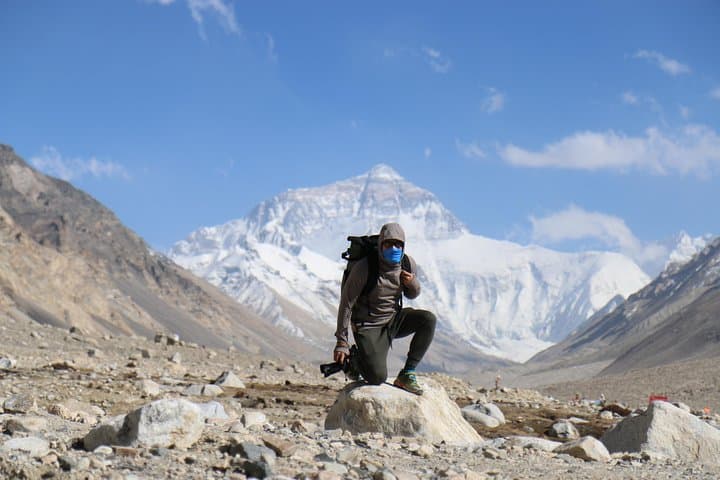
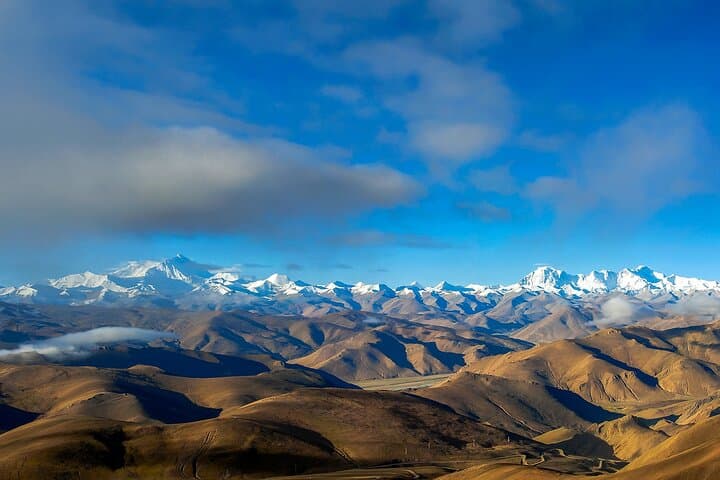
The van hums away from Potala Palace before dawn, headlights cutting across the wide Yarlung Tsangpo as it pushes through the valley like a slow, deliberate animal. On the first morning in Lhasa, prayer flags flutter on Barkhor Street and the air tastes of butter tea and incense; eight days later you will be standing above 5,000 meters with Everest's south face looming like a folded sheet of stone. This is not a climb but a traverse of changing altitudes, temple courtyards and glacial passes—the kind of trip that asks for patience and repays it with uncluttered, enormous views.
challenging.
8 days.
Good cardiovascular fitness recommended; ability to tolerate sustained altitude changes and several hours of vehicle travel per day.
Yes—foreign visitors require Tibet Travel Permits and additional permits for military-controlled areas like Everest; your tour operator arranges these with passport details in advance.
The trip involves long drives and significant altitude gain; it’s not technical but is challenging due to thin air—moderate-to-good fitness and attention to acclimatization are key.
Accommodations near Rongbuk/EBC are basic—guesthouses and tents with simple heating; expect limited amenities compared with Lhasa’s four-star hotels.
Late spring (May–June) and early autumn (September–October) offer the clearest skies and milder conditions; monsoon and winter bring more clouds or extreme cold.
Altitude sickness can affect anyone; descend if symptoms worsen, use acetazolamide if prescribed, and seek medical help if serious signs appear such as severe breathlessness or confusion.
Local guides and hotels can usually manage common dietary needs with advance notice, but options are more limited at high-altitude guesthouses—carry snacks you trust.
This route follows centuries of pilgrimage and trade; Lhasa’s Potala Palace served as the political and religious heart of Tibet, while Gyantse and Shigatse were regional centers of power and culture.
The Tibetan Plateau is ecologically fragile—minimize waste, stick to established roads and camps, and support local businesses that follow low-impact practices.
Zhuoma Tour operates guided outdoor trips and adventures with an emphasis on safety, stewardship, and memorable experiences.
Book with Zhuoma Tour
Book directly with Zhuoma Tour for the best rates and real-time scheduling.
Reserve Now