THE ADVENTURE COLLECTIVE® · Independent discovery and booking for outdoor travel

Travel from Lhasa’s gleaming monasteries to the wind-battered Rongbuk valley on an eight-day Classic Tibet tour. This route blends ancient religious sites, sweeping plateau scenery, and a close-up view of Everest from the Tibetan side—best tackled with acclimatization, permits, and practical layering.
Travel from Lhasa’s gleaming monasteries to the wind-battered Rongbuk valley on an eight-day Classic Tibet tour. This route blends ancient religious sites, sweeping plateau scenery, and a close-up view of Everest from the Tibetan side—best tackled with acclimatization, permits, and practical layering.
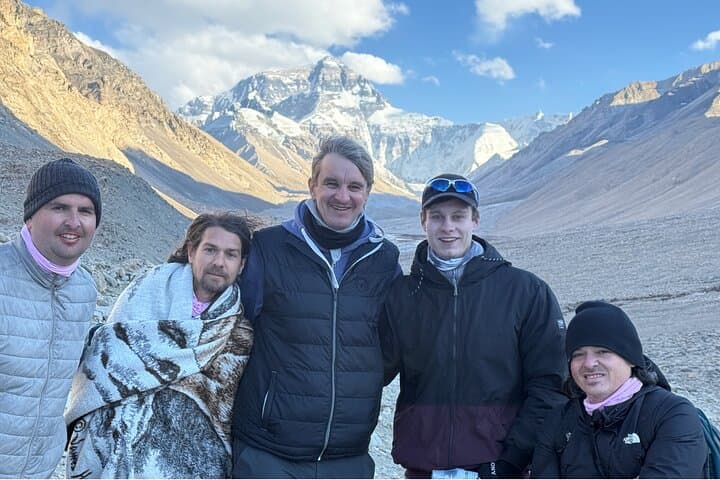
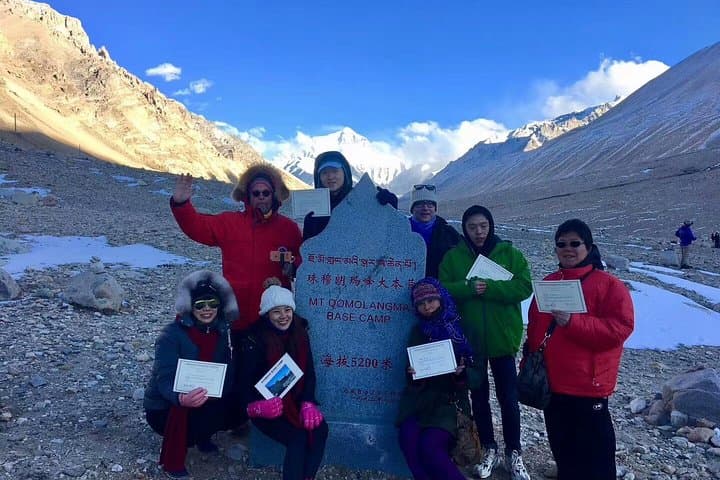
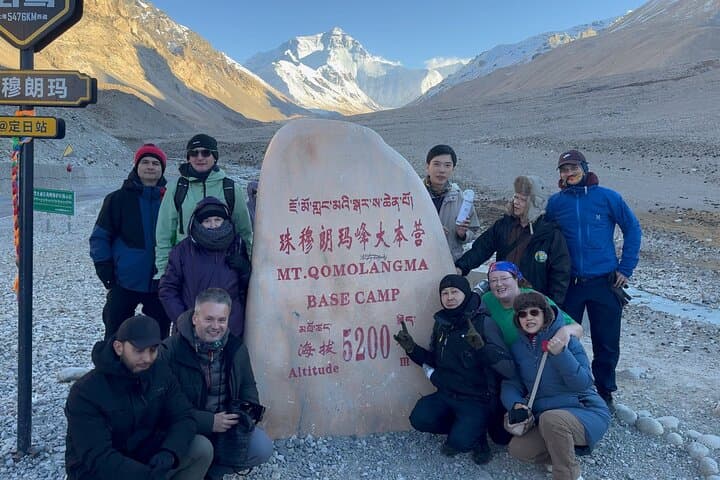
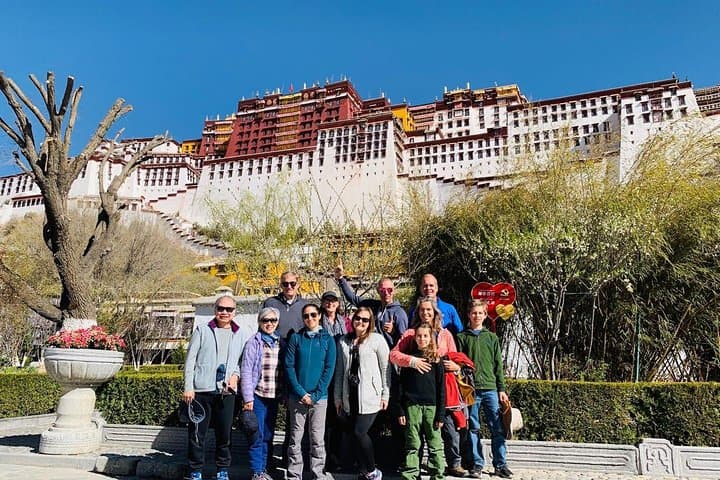
At dawn in Lhasa the city exhales: prayer flags at Barkhor Street snap in the thin air, yak-butter tea steams in teahouses, and the white-washed walls of the Potala Palace catch first light like a folded map. On this eight-day route you move from those centuries-old courtyards into the open high plateau, where roads climb past turquoise Yamdrok Tso and glaciers glitter along hairpin turns, and finally to the raw, angled face of Everest seen from Rongbuk and the echo of the base camp.
Verified experiences and guided adventures in the surrounding area.
Operated by Tibet Vista · Lhasa, Tibet
At dawn in Lhasa the city exhales: prayer flags at Barkhor Street snap in the thin air, yak-butter tea steams in teahouses, and the white-washed walls of the Potala Palace catch first light like a folded map. On this eight-day route you move from those centuries-old courtyards into the open high plateau, where roads climb past turquoise Yamdrok Tso and glaciers glitter along hairpin turns, and finally to the raw, angled face of Everest seen from Rongbuk and the echo of the base camp.
The trip threads history and geology together. Lhasa’s Potala and Jokhang anchor Tibetan Buddhism, their chapels filled with gilded stupas that date back to the 7th century. Farther west, Gyantse’s Pelkor Monastery and the Kumbum demonstrate the syncretic art and mandala traditions that sustained local practice through shifting politics. Geologically, you’ll be driving on the uplifted edge of the Tibetan Plateau; passes like Gampala (≈4,790 m) and Gyatsola (≈5,248 m) offer snapshots of glaciers and moraines that record millions of years of Himalayan collision.
Culturally the route is a study in continuity: pilgrims make kora around Jokhang, barley fields still rely on seasonal labor, and nomads tend yak herds on the valleys. The journey also requires paperwork and preparation—Tibet Travel Permits and often a China L visa are prerequisites—and the local guides who handle permits are part of the itinerary as much as the vehicles and guesthouses.
Practical notes: the tour runs 8 days and moves deliberately to help acclimatize—Lhasa sits at 3,650 m, Shigatse at 3,900 m, and Everest Base Camp around 5,200 m. Expect long drives (Lhasa–Shigatse ≈280 km; Shigatse–EBC is a full day with multiple passes). The group stays in three-star hotels in Lhasa and Shigatse, and basic dorm-style lodging near Rongbuk; a winter electric blanket service is noted for cold nights. The operator provides oxygen cylinders in vehicles, bottled water, and an English-speaking Tibetan guide.
Prepare for altitude: hydrate, limit alcohol, and consider acetazolamide (ask your doctor). Layering is essential—sun at noon can be fierce, nights are near freezing. Book at least 10 working days ahead so the operator can secure permits, and provide passport scans and China visa details at least 20 days prior. Best windows are late spring (April–May) and early autumn (September–October) for clearer skies and stable roads.
This tour is equal parts culture and high-altitude landscape—bring sun protection, respect monastery etiquette, and plan for the slow, attentive pace the Himalaya demands.
challenging.
8 days.
Moderate cardio fitness recommended; be comfortable walking short distances at altitude and sitting for long drives.
Yes—foreign visitors require a Tibet Travel Permit in addition to a China visa; the tour operator will arrange it after you send passport and visa information.
Late spring (April–May) and early autumn (September–October) offer clearer skies and more stable roads; winter is colder and some services are reduced.
Everest Base Camp sits around 5,200 m—altitude effects are common. Acclimatize gradually, hydrate, and notify guides if symptoms appear.
Lodging near Rongbuk is basic—expect dorm-style guesthouses or simple rooms with limited heating; hotels in Lhasa and Shigatse are typically three-star.
Breakfasts are provided most days; lunches and dinners are generally not included except for a welcome dinner and one included lunch—plan cash for meals en route.
Yes, but the permit and visa process differs; if flying from Kathmandu you may apply for the Tibet Group Visa through the supplier—confirm visa rules before booking.
Lhasa’s major sites—Potala, Jokhang, and Sera—trace back to imperial and religious developments from the 7th century onward and remain active pilgrimage centers.
The Everest region is protected as a national nature reserve; visitors should follow leave-no-trace principles and avoid disturbing fragile glacial and high-altitude ecosystems.
Tibet Vista operates guided outdoor trips and adventures with an emphasis on safety, stewardship, and memorable experiences.
At dawn in Lhasa the city exhales: prayer flags at Barkhor Street snap in the thin air, yak-butter tea steams in teahouses, and the white-washed walls of the Potala Palace catch first light like a folded map. On this eight-day route you move from those centuries-old courtyards into the open high plateau, where roads climb past turquoise Yamdrok Tso and glaciers glitter along hairpin turns, and finally to the raw, angled face of Everest seen from Rongbuk and the echo of the base camp.
At dawn in Lhasa the city exhales: prayer flags at Barkhor Street snap in the thin air, yak-butter tea steams in teahouses, and the white-washed walls of the Potala Palace catch first light like a folded map. On this eight-day route you move from those centuries-old courtyards into the open high plateau, where roads climb past turquoise Yamdrok Tso and glaciers glitter along hairpin turns, and finally to the raw, angled face of Everest seen from Rongbuk and the echo of the base camp.
The trip threads history and geology together. Lhasa’s Potala and Jokhang anchor Tibetan Buddhism, their chapels filled with gilded stupas that date back to the 7th century. Farther west, Gyantse’s Pelkor Monastery and the Kumbum demonstrate the syncretic art and mandala traditions that sustained local practice through shifting politics. Geologically, you’ll be driving on the uplifted edge of the Tibetan Plateau; passes like Gampala (≈4,790 m) and Gyatsola (≈5,248 m) offer snapshots of glaciers and moraines that record millions of years of Himalayan collision.
Culturally the route is a study in continuity: pilgrims make kora around Jokhang, barley fields still rely on seasonal labor, and nomads tend yak herds on the valleys. The journey also requires paperwork and preparation—Tibet Travel Permits and often a China L visa are prerequisites—and the local guides who handle permits are part of the itinerary as much as the vehicles and guesthouses.
Practical notes: the tour runs 8 days and moves deliberately to help acclimatize—Lhasa sits at 3,650 m, Shigatse at 3,900 m, and Everest Base Camp around 5,200 m. Expect long drives (Lhasa–Shigatse ≈280 km; Shigatse–EBC is a full day with multiple passes). The group stays in three-star hotels in Lhasa and Shigatse, and basic dorm-style lodging near Rongbuk; a winter electric blanket service is noted for cold nights. The operator provides oxygen cylinders in vehicles, bottled water, and an English-speaking Tibetan guide.
Prepare for altitude: hydrate, limit alcohol, and consider acetazolamide (ask your doctor). Layering is essential—sun at noon can be fierce, nights are near freezing. Book at least 10 working days ahead so the operator can secure permits, and provide passport scans and China visa details at least 20 days prior. Best windows are late spring (April–May) and early autumn (September–October) for clearer skies and stable roads.
This tour is equal parts culture and high-altitude landscape—bring sun protection, respect monastery etiquette, and plan for the slow, attentive pace the Himalaya demands.