THE ADVENTURE COLLECTIVE® · Independent discovery and booking for outdoor travel

Spend a full day in Kentucky’s Bluegrass: start with coached clay pigeon shooting at a private sporting clay range, then visit three working Thoroughbred farms to see broodmares, foals and yearlings up close. This eight-hour tour mixes hands-on shooting with close-range equine experiences and local industry insight.
Spend a full day in Kentucky’s Bluegrass: start with coached clay pigeon shooting at a private sporting clay range, then visit three working Thoroughbred farms to see broodmares, foals and yearlings up close. This eight-hour tour mixes hands-on shooting with close-range equine experiences and local industry insight.
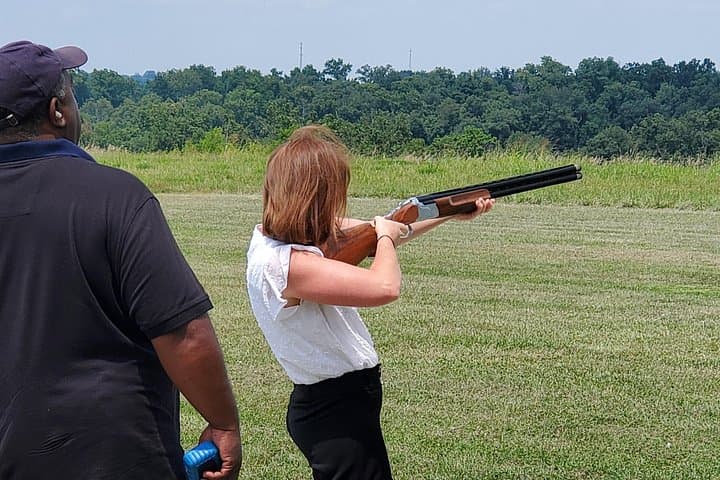
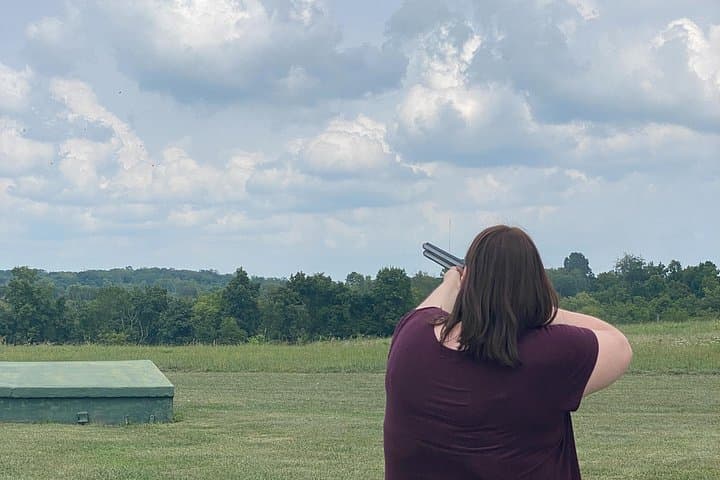
A low morning sun cuts across open paddocks as the bus eases up to the Blue Grass Sportsmen’s League — shotgun cases clack softly and horses stamp in the distance. Your day begins with clay targets arcing against a wide Kentucky sky, then unfolds through tree-lined lanes to visit three of the region’s working Thoroughbred farms where foals nuzzle palms and yearlings swim for exercise.
Verified experiences and guided adventures in the surrounding area.
Operated by Unique Horse Farm Tours · Lexington, Kentucky
A low morning sun cuts across open paddocks as the bus eases up to the Blue Grass Sportsmen’s League — shotgun cases clack softly and horses stamp in the distance. Your day begins with clay targets arcing against a wide Kentucky sky, then unfolds through tree-lined lanes to visit three of the region’s working Thoroughbred farms where foals nuzzle palms and yearlings swim for exercise.
This corner of central Kentucky sits on limestone bedrock and rolling bluegrass soil that made it ideal for grazing and horse breeding by the 19th century; many farms here have been family-run for generations. The Thoroughbred industry shaped local towns like Midway and Lexington, and you’ll pass barns and indoor tracks that mix modern training science with old-line techniques.
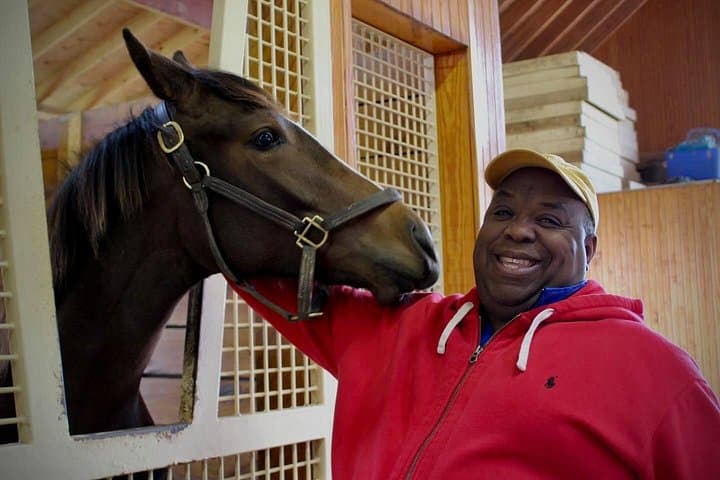
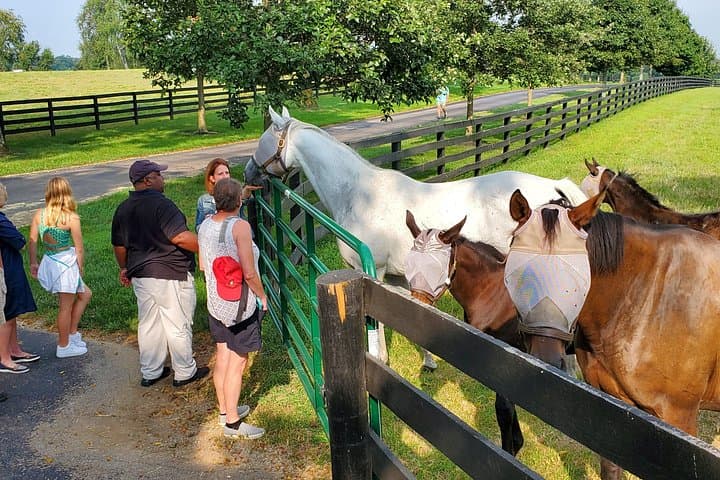
On the range expect coached instruction and automated sporting-clay setups; at farms you’ll get stable-entry, peppermints for the broodmares, and the unusual sight of young horses being exercised in water. The guide balances safety briefings with local color — anecdotes about pedigrees, notable trainers, and seasonal foaling rhythms.
Practical guidance: arrive hydrated and ready for varied footing—barn aisles, gravel driveways, and manicured paddocks. Bring hearing and eye protection for shooting (some provided), comfortable closed-toe shoes, and a camera with fast autofocus for foal shots. Weather changes quickly in the Bluegrass; layer up and expect dust near arenas. The tour runs about eight hours, includes air-conditioned transport, and is best for people with a moderate level of fitness and a steady stance for shooting. Follow guides’ instructions closely; farms enforce biosecurity and quiet so horses remain calm.
moderate.
8 hours.
Moderate — you should be comfortable standing for shooting, walking short distances over uneven ground, and boarding a small tour bus.
No — the range provides instructor-led coaching and typically allows novices after a safety briefing; disclose experience on booking forms.
Yes, but farms vary by age restrictions; infants may need to sit on laps on the bus and children should be supervised near animals and arenas.
Yes — the tour includes air-conditioned transport between the range and farm stops for the full eight-hour itinerary.
You can get a full refund if you cancel at least 24 hours before departure; the operator may cancel for weather or insufficient guests.
Central Kentucky’s bluegrass and limestone soils made it a center for horse breeding in the 19th century; many farms retain family ownership and traditional practices.
Farms here often participate in land-conservation easements and careful pasture management; follow biosecurity rules to protect herd health and local ecosystems.
Unique Horse Farm Tours operates guided outdoor trips and adventures with an emphasis on safety, stewardship, and memorable experiences.
A low morning sun cuts across open paddocks as the bus eases up to the Blue Grass Sportsmen’s League — shotgun cases clack softly and horses stamp in the distance. Your day begins with clay targets arcing against a wide Kentucky sky, then unfolds through tree-lined lanes to visit three of the region’s working Thoroughbred farms where foals nuzzle palms and yearlings swim for exercise.
A low morning sun cuts across open paddocks as the bus eases up to the Blue Grass Sportsmen’s League — shotgun cases clack softly and horses stamp in the distance. Your day begins with clay targets arcing against a wide Kentucky sky, then unfolds through tree-lined lanes to visit three of the region’s working Thoroughbred farms where foals nuzzle palms and yearlings swim for exercise.
This corner of central Kentucky sits on limestone bedrock and rolling bluegrass soil that made it ideal for grazing and horse breeding by the 19th century; many farms here have been family-run for generations. The Thoroughbred industry shaped local towns like Midway and Lexington, and you’ll pass barns and indoor tracks that mix modern training science with old-line techniques.
On the range expect coached instruction and automated sporting-clay setups; at farms you’ll get stable-entry, peppermints for the broodmares, and the unusual sight of young horses being exercised in water. The guide balances safety briefings with local color — anecdotes about pedigrees, notable trainers, and seasonal foaling rhythms.
Practical guidance: arrive hydrated and ready for varied footing—barn aisles, gravel driveways, and manicured paddocks. Bring hearing and eye protection for shooting (some provided), comfortable closed-toe shoes, and a camera with fast autofocus for foal shots. Weather changes quickly in the Bluegrass; layer up and expect dust near arenas. The tour runs about eight hours, includes air-conditioned transport, and is best for people with a moderate level of fitness and a steady stance for shooting. Follow guides’ instructions closely; farms enforce biosecurity and quiet so horses remain calm.