THE ADVENTURE COLLECTIVE® · Independent discovery and booking for outdoor travel

In three hours a private car and an expert guide move you from Boston’s energy to the small greens and bridges where the Revolutionary War began. Walk the Paul Revere route, stand where the first shots were fired, and come away with a clearer sense of how ordinary towns changed history.
In three hours a private car and an expert guide move you from Boston’s energy to the small greens and bridges where the Revolutionary War began. Walk the Paul Revere route, stand where the first shots were fired, and come away with a clearer sense of how ordinary towns changed history.
The morning begins in Boston with the low buzz of traffic and the smell of hot coffee. A black car eases out of the city and takes the I-95 corridor west: oak-lined suburbs slide by, Harvard’s brick facades recede in the rearview, and the air seems to change—thinner, cooler, more patient. In under an hour the driver pulls into a small common where a guide steps out with a map and a voice that’s equal parts storytelling and field report.
Verified experiences and guided adventures in the surrounding area.
Operated by Trailblazer Tours Boston - Private Tours · Lexington, Massachusetts
The morning begins in Boston with the low buzz of traffic and the smell of hot coffee. A black car eases out of the city and takes the I-95 corridor west: oak-lined suburbs slide by, Harvard’s brick facades recede in the rearview, and the air seems to change—thinner, cooler, more patient. In under an hour the driver pulls into a small common where a guide steps out with a map and a voice that’s equal parts storytelling and field report.
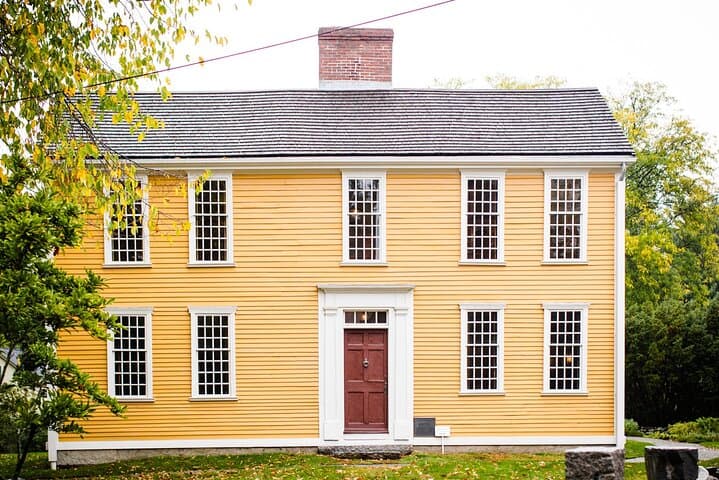
On the Lexington Battle Green the guide outlines the morning of April 19, 1775. The green’s grass leans under a breeze that feels complicit, as if it remembers boots and muskets. The group moves deliberately from site to site: the Munroe Tavern, where field hospital stories surface; a row of colonial houses whose clapboard faces still wear the lines of hand tools; the point where the first shots were exchanged and quiet turns to history.
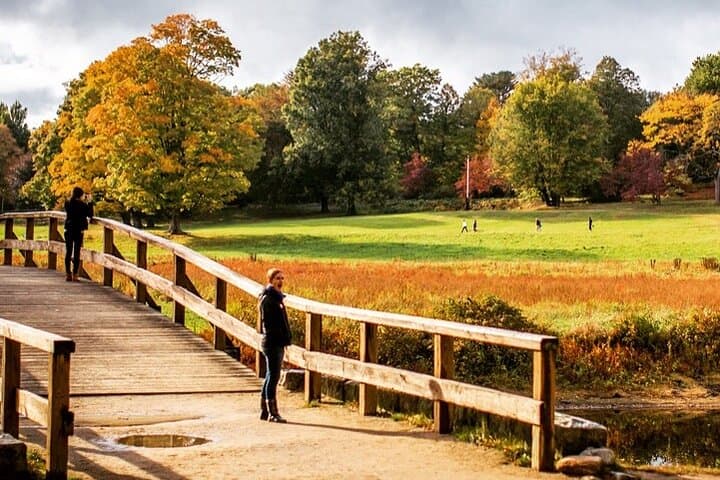
Geology and geography shape the story. Narrow ridgelines, small brooks, and well-worn dirt lanes funneled movement and magnified surprise, giving local militia tactical advantages that surprised a professional army. Concord’s North Bridge—a short drive away—reveals the other half of that morning: an open meadow, a stone bridge, a river that seems to push the eye forward toward the events that followed.
The cultural context is immediate and human. Guides explain not just troop placements but loyalties, neighbor disputes, tavern politics and the ordinary mechanics of 18th-century life—how news moved, how people hid, how rum and bread were as important as orders. Stops are paced for conversation, not rote reenactment. Photographs are encouraged, but time is set aside to listen: to imagine a messenger racing down a lane, to feel the small scale of towns that would shape a nation.
Practicalities are clear and direct. The three-hour private format includes pickup options in downtown Boston or meeting at Flour Bakery (12 Farnsworth St). Expect roughly 45 minutes driving each way and about 90 minutes on foot and at stops. Most walking is on paved village streets and short greens; a few gravel paths lead to viewpoints. The tour is suitable for most fitness levels—strollers can be accommodated and the vehicle holds four passengers comfortably.
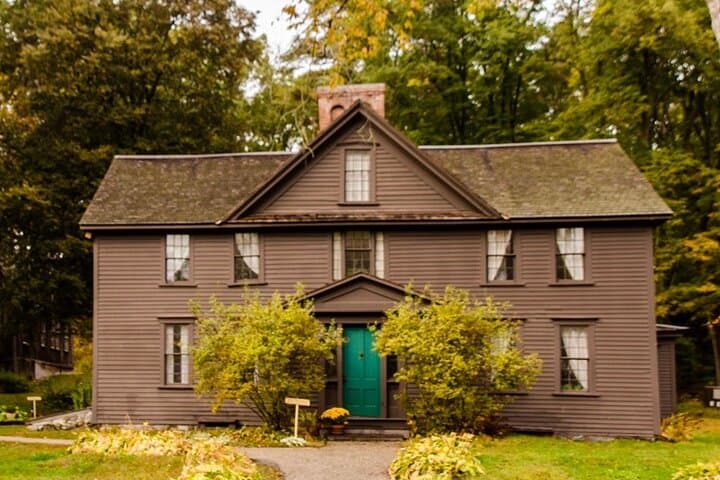
To get the most from the experience, arrive with charged phone, sensible shoes, and a jacket (New England weather shifts quickly). Ask the guide about quieter side streets to explore after the tour: small cemeteries and literary homes (Alcott’s is nearby) expand the day without adding miles. For history-minded travelers, the private format means questions shape the route—bring them.
This is less a checklist than a conversation with place: a compact morning that condenses the politics, pathways and personalities that ignited a revolution into three sharp hours.
easy.
3 hours.
Suitable for most fitness levels; short on-foot segments, minimal elevation change
Tours depart from downtown Boston hotels (pickup available) or meet at Flour Bakery, 12 Farnsworth St; the tour returns to the same location at the end.
This private tour covers exterior stops and interpretive discussions; museum admissions are not included but can be arranged with advance notice.
Yes—strollers are feasible on paved streets and greens, and the pace is family-friendly; infants must sit on a lap in the vehicle.
Expect several short walks at sites totaling about 30–60 minutes over the tour; terrain is mostly flat with minimal elevation change.
Tours can be canceled for full refund if bad weather is declared; check cancellation policy and communicate with the guide about rescheduling options.
Yes—private format allows focus on military tactics, colonial life, or literary stops (e.g., Alcott); let the operator know when booking.
Lexington and Concord were networked villages whose geography and local militia organization turned a regular patrol into the outbreak of war on April 19, 1775.
These sites are maintained by local historical societies and the National Park Service; stick to marked paths and respect signage to protect fragile historic landscapes.
Trailblazer Tours Boston - Private Tours operates guided outdoor trips and adventures with an emphasis on safety, stewardship, and memorable experiences.
The morning begins in Boston with the low buzz of traffic and the smell of hot coffee. A black car eases out of the city and takes the I-95 corridor west: oak-lined suburbs slide by, Harvard’s brick facades recede in the rearview, and the air seems to change—thinner, cooler, more patient. In under an hour the driver pulls into a small common where a guide steps out with a map and a voice that’s equal parts storytelling and field report.
The morning begins in Boston with the low buzz of traffic and the smell of hot coffee. A black car eases out of the city and takes the I-95 corridor west: oak-lined suburbs slide by, Harvard’s brick facades recede in the rearview, and the air seems to change—thinner, cooler, more patient. In under an hour the driver pulls into a small common where a guide steps out with a map and a voice that’s equal parts storytelling and field report.
On the Lexington Battle Green the guide outlines the morning of April 19, 1775. The green’s grass leans under a breeze that feels complicit, as if it remembers boots and muskets. The group moves deliberately from site to site: the Munroe Tavern, where field hospital stories surface; a row of colonial houses whose clapboard faces still wear the lines of hand tools; the point where the first shots were exchanged and quiet turns to history.
Geology and geography shape the story. Narrow ridgelines, small brooks, and well-worn dirt lanes funneled movement and magnified surprise, giving local militia tactical advantages that surprised a professional army. Concord’s North Bridge—a short drive away—reveals the other half of that morning: an open meadow, a stone bridge, a river that seems to push the eye forward toward the events that followed.
The cultural context is immediate and human. Guides explain not just troop placements but loyalties, neighbor disputes, tavern politics and the ordinary mechanics of 18th-century life—how news moved, how people hid, how rum and bread were as important as orders. Stops are paced for conversation, not rote reenactment. Photographs are encouraged, but time is set aside to listen: to imagine a messenger racing down a lane, to feel the small scale of towns that would shape a nation.
Practicalities are clear and direct. The three-hour private format includes pickup options in downtown Boston or meeting at Flour Bakery (12 Farnsworth St). Expect roughly 45 minutes driving each way and about 90 minutes on foot and at stops. Most walking is on paved village streets and short greens; a few gravel paths lead to viewpoints. The tour is suitable for most fitness levels—strollers can be accommodated and the vehicle holds four passengers comfortably.
To get the most from the experience, arrive with charged phone, sensible shoes, and a jacket (New England weather shifts quickly). Ask the guide about quieter side streets to explore after the tour: small cemeteries and literary homes (Alcott’s is nearby) expand the day without adding miles. For history-minded travelers, the private format means questions shape the route—bring them.
This is less a checklist than a conversation with place: a compact morning that condenses the politics, pathways and personalities that ignited a revolution into three sharp hours.