THE ADVENTURE COLLECTIVE® · Independent discovery and booking for outdoor travel

Follow the Levada do Alecrim into Rabaçal and descend to Lagoa do Vento—a 6.7 km guided walk through laurisilva, waterfalls and exposed viewpoints. Expect slippery sections, steep drops and a private transfer that eases logistics.
Follow the Levada do Alecrim into Rabaçal and descend to Lagoa do Vento—a 6.7 km guided walk through laurisilva, waterfalls and exposed viewpoints. Expect slippery sections, steep drops and a private transfer that eases logistics.
You step off the service vehicle at the Levada do Alecrim and the steady murmur of channelled water dares you forward. The track narrows and, after a short detour, the path drops into the heart of the Laurisilva: moss-clad banks, dripping ferns and the occasional waterfall cutting the valley. Slippery stones and exposed roots keep your attention sharp; viewpoints open unexpectedly, offering clean lines across deep ravines to the island's volcanic spine.
Verified experiences and guided adventures in the surrounding area.
Operated by Pearl of the Atlantic · Funchal, Madeira
You step off the service vehicle at the Levada do Alecrim and the steady murmur of channelled water dares you forward. The track narrows and, after a short detour, the path drops into the heart of the Laurisilva: moss-clad banks, dripping ferns and the occasional waterfall cutting the valley. Slippery stones and exposed roots keep your attention sharp; viewpoints open unexpectedly, offering clean lines across deep ravines to the island's volcanic spine.
The levadas are Madeira's century-old irrigation arteries, carved to move mountain water to coastal terraces. The forest here is relic laurisilva—an evergreen subtropical canopy protected by UNESCO—whose humidity feeds endemic flora and a focused bird chorus. Geology is obvious: steep basalt ridges and carved gullies that channel rain into hanging lagoons like Lagoa do Vento, a still, blue bowl that feels far larger from close up.
Culturally, walking is part of Madeira's rhythm: locals still tend terraces and guides know routes, microclimates and danger points. Expect a 6.7 km round-trip over uneven terrain, 3–4 hours on the trail, and sections with no protective barriers where vertigo can be a factor.
Practical notes: wear grippy boots, bring layered waterproofs and plenty of water, and use trekking poles for the steeper descents. A guided, private transfer (often included) removes navigation stress and lets you savor viewpoints without time pressure. Leave no trace, stay on the path and allow time for slow, careful descents—the lagoon rewards patience.
moderate.
3–4 hours.
Suitable for people in regular walking shape; requires stable footing and comfort with exposure on unprotected viewpoints.
The route is about 6.7 km and usually takes 3–4 hours; expect moderate effort with uneven, sometimes slippery terrain and exposed viewpoints.
Private pickup and drop-off are typically included; departures are commonly arranged from Funchal or nearby accommodations in the Rabaçal area.
Children must be accompanied by an adult; service animals are allowed but typical pets may be discouraged due to narrow sections and local wildlife.
Yes—several viewpoints and sections lack protection. If you have strong vertigo, discuss alternate routes with your guide before booking.
The levada network was developed from the 16th century onward to channel mountain water to coastal farms; the route runs through UNESCO-protected Laurisilva, an ancient subtropical forest.
The laurisilva is fragile—stick to paths, avoid trampling understory plants and carry out all waste to protect endemic species and soil stability.
Pearl of the Atlantic operates guided outdoor trips and adventures with an emphasis on safety, stewardship, and memorable experiences.
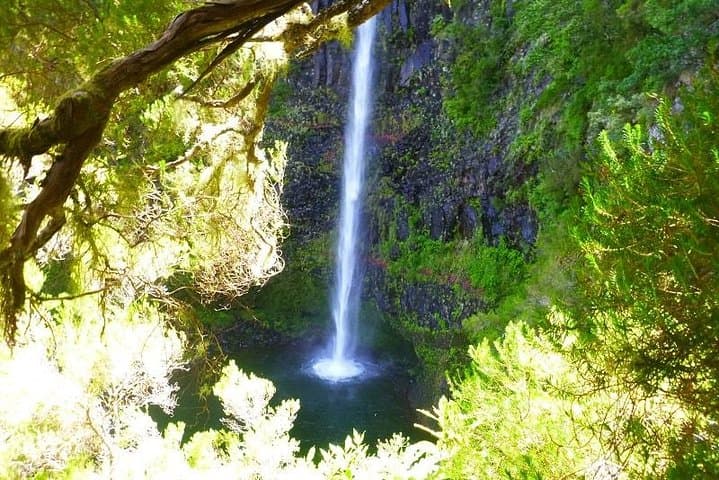
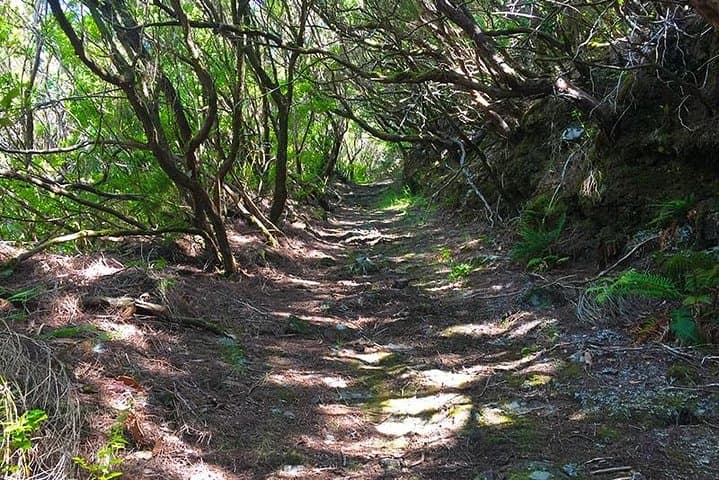
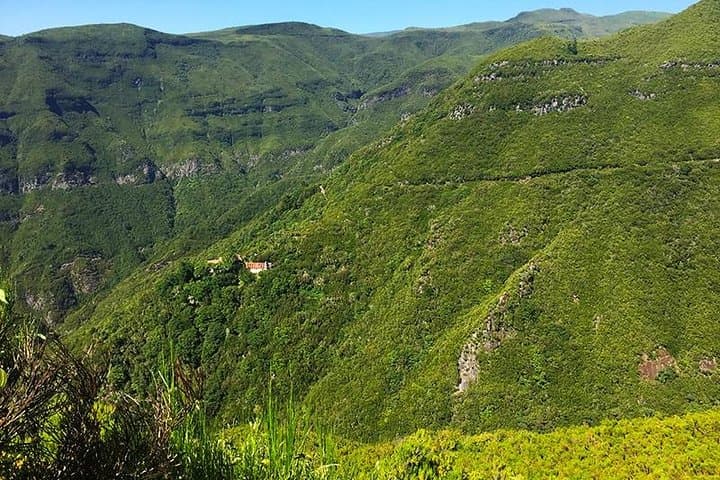
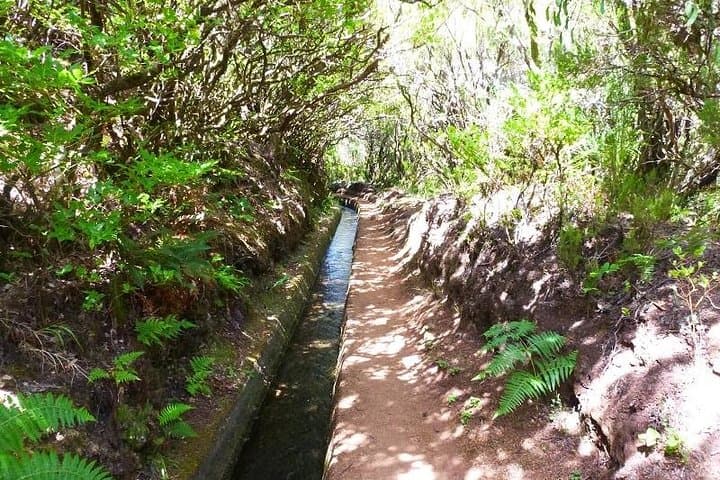
You step off the service vehicle at the Levada do Alecrim and the steady murmur of channelled water dares you forward. The track narrows and, after a short detour, the path drops into the heart of the Laurisilva: moss-clad banks, dripping ferns and the occasional waterfall cutting the valley. Slippery stones and exposed roots keep your attention sharp; viewpoints open unexpectedly, offering clean lines across deep ravines to the island's volcanic spine.
You step off the service vehicle at the Levada do Alecrim and the steady murmur of channelled water dares you forward. The track narrows and, after a short detour, the path drops into the heart of the Laurisilva: moss-clad banks, dripping ferns and the occasional waterfall cutting the valley. Slippery stones and exposed roots keep your attention sharp; viewpoints open unexpectedly, offering clean lines across deep ravines to the island's volcanic spine.
The levadas are Madeira's century-old irrigation arteries, carved to move mountain water to coastal terraces. The forest here is relic laurisilva—an evergreen subtropical canopy protected by UNESCO—whose humidity feeds endemic flora and a focused bird chorus. Geology is obvious: steep basalt ridges and carved gullies that channel rain into hanging lagoons like Lagoa do Vento, a still, blue bowl that feels far larger from close up.
Culturally, walking is part of Madeira's rhythm: locals still tend terraces and guides know routes, microclimates and danger points. Expect a 6.7 km round-trip over uneven terrain, 3–4 hours on the trail, and sections with no protective barriers where vertigo can be a factor.
Practical notes: wear grippy boots, bring layered waterproofs and plenty of water, and use trekking poles for the steeper descents. A guided, private transfer (often included) removes navigation stress and lets you savor viewpoints without time pressure. Leave no trace, stay on the path and allow time for slow, careful descents—the lagoon rewards patience.