THE ADVENTURE COLLECTIVE® · Independent discovery and booking for outdoor travel

A gentle levada walk above Camacha that combines cultivated terraces, volcanic geology, and local craft culture. Perfect for an easy, three-hour introduction to Madeira’s countryside and history.
A gentle levada walk above Camacha that combines cultivated terraces, volcanic geology, and local craft culture. Perfect for an easy, three-hour introduction to Madeira’s countryside and history.
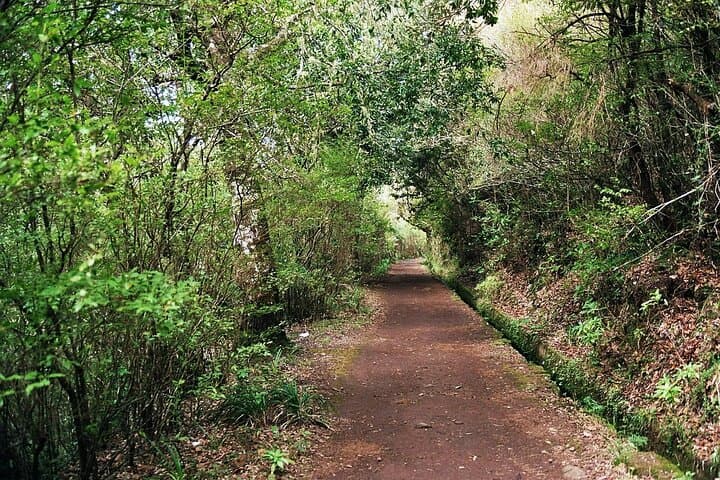
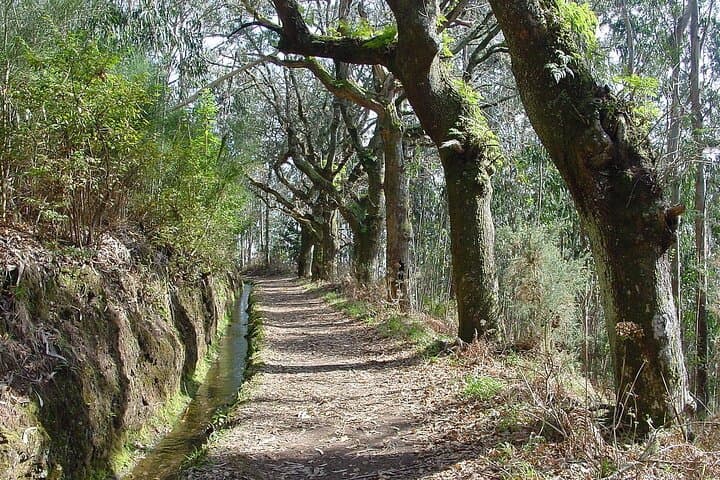
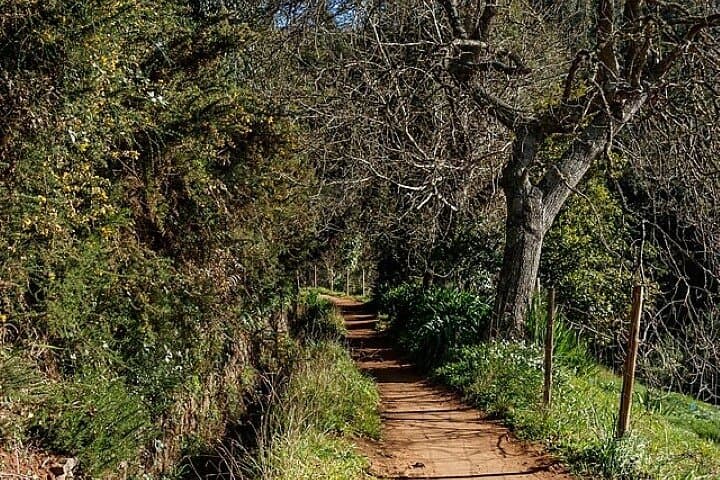
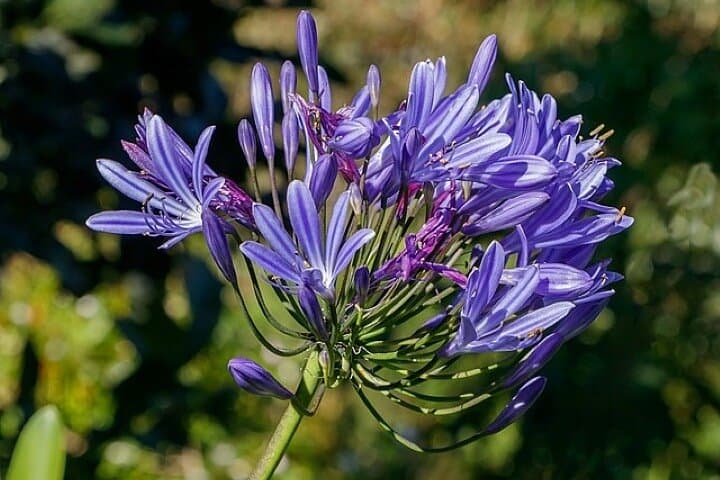
You step from the shaded lane onto a narrow irrigation trail and feel the levada’s steady murmur at your shoulder — water that has guided Madeira’s agriculture for centuries. The path threads along low stone channels, past tiered fields bursting with flowers and palms, and opens to sweeping views over Camacha, its red-tiled roofs and craft workshops perched on the ridge.
Verified experiences and guided adventures in the surrounding area.
Operated by MTS Globe Portugal · Camacha, Madeira
You step from the shaded lane onto a narrow irrigation trail and feel the levada’s steady murmur at your shoulder — water that has guided Madeira’s agriculture for centuries. The path threads along low stone channels, past tiered fields bursting with flowers and palms, and opens to sweeping views over Camacha, its red-tiled roofs and craft workshops perched on the ridge.
Levada systems date to the 16th century, engineered to move mountain water to drier coastal plots; here those channels shaped both the island’s agriculture and its communities. Geologically, Madeira is volcanic: dark basalt and volcanic tuff carve steep gullies, while weathered terraces hold thin but fertile soils that farmers have tended for generations. Camacha itself is known for wicker craftsmanship and a living village culture you’ll glimpse from the trail.
Expect an easy, largely flat 3-hour loop: compact dirt and stone surfaces, occasional narrow sections, and low stone walls. Birds call from laurel and eucalyptus; the levada seems to dare you onward with its constant flow. The walk’s pace invites conversation and photography rather than exertion.
Practical guidance: aim for morning light to avoid crowds and afternoon showers; wear grippy shoes for wet stones and bring a light rain layer. The route works for most fitness levels and is family-friendly when watched on the narrower bits. Respect private terraces and local crops, and carry out any litter — the levadas are both infrastructure and heritage. This gentle introduction to Madeira rewards slow attention: the island’s culture and geology reveal themselves in small, steady details.
easy.
2–3 hours.
Suitable for most fitness levels; requires steady balance on narrow sections and the ability to walk up to 6 km at an easy pace.
Yes — the route is easy and mostly flat, but supervise children on narrow or raised sections next to the levada.
Policies vary; if brought along, keep dogs on a leash and be mindful of livestock and terraces.
Most tours include hotel pickup in the Funchal/Camacha area; independent visitors can drive or take local buses to Camacha village and start from the levada access points.
Parts are shaded by trees, but many sections are exposed; check forecasts and bring a rain layer and sun protection.
The levada network was built from the 16th century onward to move mountain water to coastal farms, shaping settlement patterns and local agriculture.
Levadas are functional heritage; stick to trails, avoid polluting waterways, and support local guides to reduce impact and sustain maintenance.
MTS Globe Portugal operates guided outdoor trips and adventures with an emphasis on safety, stewardship, and memorable experiences.
You step from the shaded lane onto a narrow irrigation trail and feel the levada’s steady murmur at your shoulder — water that has guided Madeira’s agriculture for centuries. The path threads along low stone channels, past tiered fields bursting with flowers and palms, and opens to sweeping views over Camacha, its red-tiled roofs and craft workshops perched on the ridge.
You step from the shaded lane onto a narrow irrigation trail and feel the levada’s steady murmur at your shoulder — water that has guided Madeira’s agriculture for centuries. The path threads along low stone channels, past tiered fields bursting with flowers and palms, and opens to sweeping views over Camacha, its red-tiled roofs and craft workshops perched on the ridge.
Levada systems date to the 16th century, engineered to move mountain water to drier coastal plots; here those channels shaped both the island’s agriculture and its communities. Geologically, Madeira is volcanic: dark basalt and volcanic tuff carve steep gullies, while weathered terraces hold thin but fertile soils that farmers have tended for generations. Camacha itself is known for wicker craftsmanship and a living village culture you’ll glimpse from the trail.
Expect an easy, largely flat 3-hour loop: compact dirt and stone surfaces, occasional narrow sections, and low stone walls. Birds call from laurel and eucalyptus; the levada seems to dare you onward with its constant flow. The walk’s pace invites conversation and photography rather than exertion.
Practical guidance: aim for morning light to avoid crowds and afternoon showers; wear grippy shoes for wet stones and bring a light rain layer. The route works for most fitness levels and is family-friendly when watched on the narrower bits. Respect private terraces and local crops, and carry out any litter — the levadas are both infrastructure and heritage. This gentle introduction to Madeira rewards slow attention: the island’s culture and geology reveal themselves in small, steady details.