THE ADVENTURE COLLECTIVE® · Independent discovery and booking for outdoor travel

Walk a historic irrigation channel along Madeira’s southern slope, where engineered paths, terraced farms and Atlantic views meet in an easy, rewarding hike. This 3–4 hour section of Levada do Norte offers minimal climbing and maximum landscape variety.
Walk a historic irrigation channel along Madeira’s southern slope, where engineered paths, terraced farms and Atlantic views meet in an easy, rewarding hike. This 3–4 hour section of Levada do Norte offers minimal climbing and maximum landscape variety.
You step onto a narrow concrete ribbon beside a slow-moving channel of water. The levada hums underfoot and the Atlantic hangs low on the horizon—silver, patient—while terraced fields fan away down the slope. The sound of distant tractors and bird calls punctuates the steady rhythm of the walk.
Verified experiences and guided adventures in the surrounding area.
Operated by Madeira Happy Tours · Ribeira Brava, Madeira
You step onto a narrow concrete ribbon beside a slow-moving channel of water. The levada hums underfoot and the Atlantic hangs low on the horizon—silver, patient—while terraced fields fan away down the slope. The sound of distant tractors and bird calls punctuates the steady rhythm of the walk.
Levada do Norte is one of Madeira’s oldest water channels, constructed centuries ago to move moisture from the rainier north to the drier southern flanks for irrigation. The route threads volcanic slopes carved from basalt, passing patches of laurisilva and cultivated gardens—bananas, vineyards and small holdings that show the island’s agricultural evolution.
Geology here tells of hardened lava flows and steep, incised valleys; the levada clings to contours, trading height for long, steady stretches. Culturally the path links small communities—houses with stone walls and tidy plots—where water determined crops and settlement patterns.
Practical guidance: expect a mostly flat, engineered path that covers roughly 8–10 km in a typical 3–4 hour outing with under ~200 m total ascent. Sections can be narrow, with occasional drop-offs; steady footwear with good grip is important. Bring sun protection and a water bottle—shade is intermittent. Morning light gives the best views toward Campanário and Ribeira Brava; afternoons can be warmer and clearer.
The walk is accessible for most fitness levels but check local weather—levadas can become slippery after rain. Respect private terraces, keep to the maintenance path, and pack out any waste to preserve the delicate island ecosystem.
easy.
3–4 hours.
Suitable for most adults with basic stamina; steady on your feet for a few hours.
Most sections are easy—engineered concrete paths with minimal climbing—suitable for walkers in average health, though narrow parts require sure footing.
Service animals are allowed; pet policies can vary on guided tours—check with your operator before bringing a pet.
Public transport serves many villages near the levada; organized tours often include pickup from major towns like Ribeira Brava or Funchal.
Layered, quick-dry clothing, sturdy shoes with grip, and sun protection—carry a light shell in case of sudden rain.
The levadas were built over centuries to channel precious freshwater from the humid north to irrigate south-facing farmland, shaping settlement and agriculture on Madeira.
Stick to the maintenance path, avoid disturbing terraces and gardens, and carry out any litter—levada systems rely on community upkeep and are sensitive to runoff and pollution.
Madeira Happy Tours operates guided outdoor trips and adventures with an emphasis on safety, stewardship, and memorable experiences.
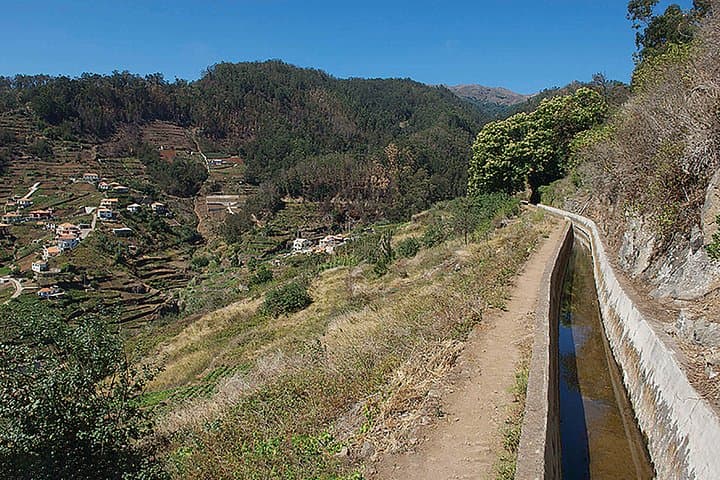
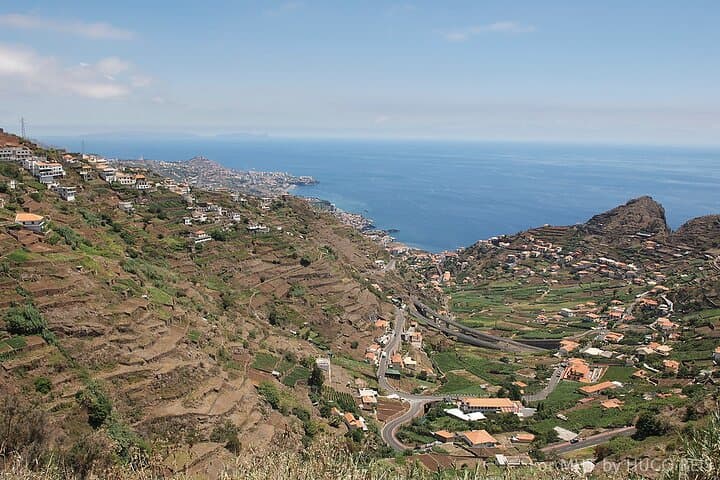
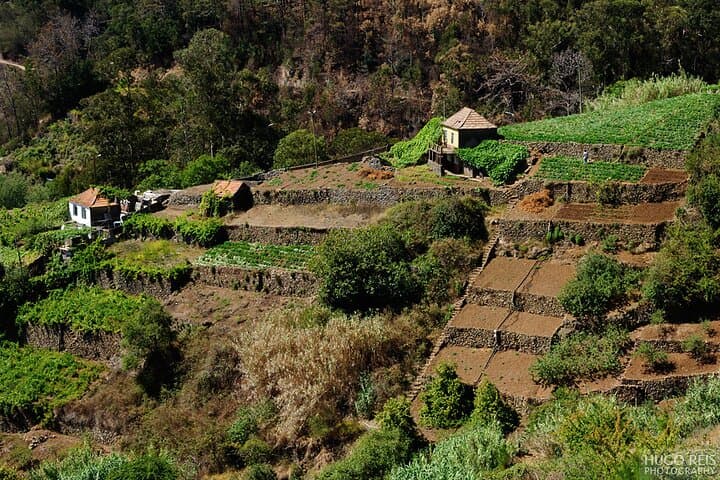
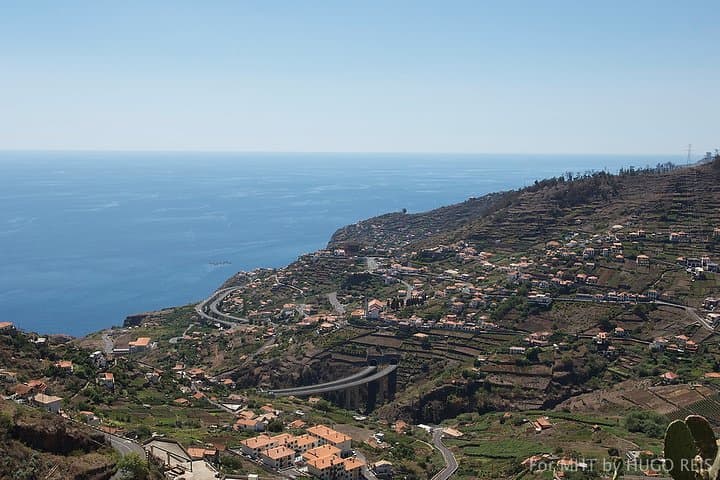
You step onto a narrow concrete ribbon beside a slow-moving channel of water. The levada hums underfoot and the Atlantic hangs low on the horizon—silver, patient—while terraced fields fan away down the slope. The sound of distant tractors and bird calls punctuates the steady rhythm of the walk.
You step onto a narrow concrete ribbon beside a slow-moving channel of water. The levada hums underfoot and the Atlantic hangs low on the horizon—silver, patient—while terraced fields fan away down the slope. The sound of distant tractors and bird calls punctuates the steady rhythm of the walk.
Levada do Norte is one of Madeira’s oldest water channels, constructed centuries ago to move moisture from the rainier north to the drier southern flanks for irrigation. The route threads volcanic slopes carved from basalt, passing patches of laurisilva and cultivated gardens—bananas, vineyards and small holdings that show the island’s agricultural evolution.
Geology here tells of hardened lava flows and steep, incised valleys; the levada clings to contours, trading height for long, steady stretches. Culturally the path links small communities—houses with stone walls and tidy plots—where water determined crops and settlement patterns.
Practical guidance: expect a mostly flat, engineered path that covers roughly 8–10 km in a typical 3–4 hour outing with under ~200 m total ascent. Sections can be narrow, with occasional drop-offs; steady footwear with good grip is important. Bring sun protection and a water bottle—shade is intermittent. Morning light gives the best views toward Campanário and Ribeira Brava; afternoons can be warmer and clearer.
The walk is accessible for most fitness levels but check local weather—levadas can become slippery after rain. Respect private terraces, keep to the maintenance path, and pack out any waste to preserve the delicate island ecosystem.