THE ADVENTURE COLLECTIVE® · Independent discovery and booking for outdoor travel

Follow the Levada do Norte from Cabo Girão into cultivated valleys of south Madeira — a gentle, 4-hour levada walk of sea-and-mountain views, working fields, and local color. Practical tips for footwear, weather, and timing help you prepare.
Follow the Levada do Norte from Cabo Girão into cultivated valleys of south Madeira — a gentle, 4-hour levada walk of sea-and-mountain views, working fields, and local color. Practical tips for footwear, weather, and timing help you prepare.
You set off from the wind-scoured rim of Cabo Girão, the Atlantic stretching west while terraces step down the slope like green stairways. The levada channel threads the landscape, guiding you through Quinta Grande and Campanário across farmland that smells of earth and prune blossom. Sea and mountain views alternate, small villages punctuating fields worked by locals who still tend plots by hand.
Verified experiences and guided adventures in the surrounding area.
Operated by Pride of Madeira · Câmara de Lobos, Madeira
You set off from the wind-scoured rim of Cabo Girão, the Atlantic stretching west while terraces step down the slope like green stairways. The levada channel threads the landscape, guiding you through Quinta Grande and Campanário across farmland that smells of earth and prune blossom. Sea and mountain views alternate, small villages punctuating fields worked by locals who still tend plots by hand.
Geology here is volcanic: basalt cliffs and old lava flows shaped steep valleys and the levadas—Portuguese irrigation channels—cut into slopes to carry water from the wetter north to the cultivated south. Culturally, the walk passes working land: banana and sugarcane plots, smallholdings that reflect Madeira’s agricultural history and reliance on levadas since the 16th century.
Expect an easy, low-gradient path typical of levadas—mostly packed dirt and narrow concrete channels with occasional rock steps and short retaining walls. Spring and autumn bring green growth and wildflowers; summer is bright and dry; winter is mild but can be windy and occasionally wet. Guides typically provide local context and a hotel pickup; minimum age is 6 and a moderate fitness level is recommended.
Practical guidance: wear grip-soled shoes, sun protection, and a lightweight rain shell. Carry water and snacks; stops at viewpoints are frequent and worth lingering at for photos and to watch local life. The route is linear but accessible year-round from the south side; judge conditions before setting out and accept the steady, unhurried rhythm the levada enforces—move with the channel, and the island’s gentle intensity will reveal itself.
easy.
4 hours.
Moderate fitness recommended—comfortable walking pace, some standing and short uneven sections.
The guided outing runs about four hours (9:00–13:00), allowing time for stops and photos.
Children aged 6+ are allowed but should be supervised; the levada has narrow stretches and uneven ground.
Yes—hotel pickup and drop-off are listed as included in the tour’s inclusions.
Yes; the south of Madeira has a mild climate and the route operates in most weather—dress appropriately for wind or rain.
Levadas were developed from the 16th century to transport water from the island’s wet north to its cultivated south, shaping settlement and agriculture.
Stick to paths to avoid trampling terraces and seedbeds; local guides often emphasize low-impact behavior to protect fragile cultivated and wild areas.
Pride of Madeira operates guided outdoor trips and adventures with an emphasis on safety, stewardship, and memorable experiences.
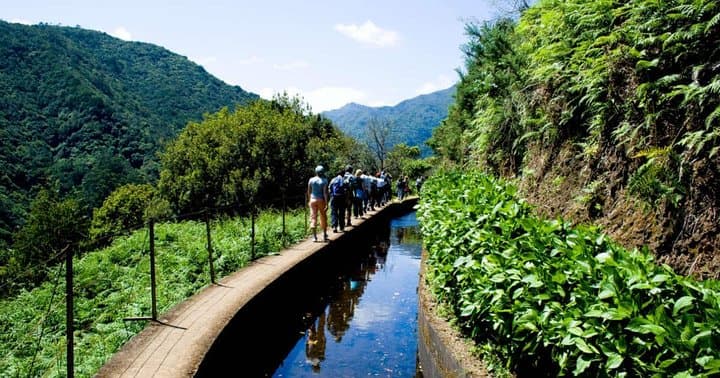
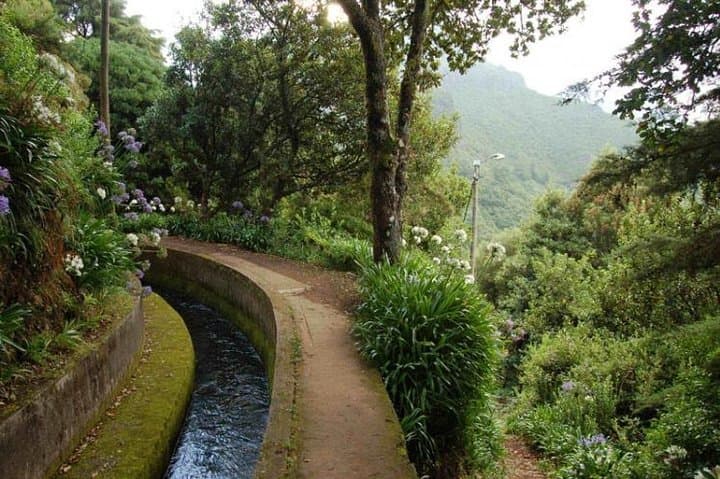
You set off from the wind-scoured rim of Cabo Girão, the Atlantic stretching west while terraces step down the slope like green stairways. The levada channel threads the landscape, guiding you through Quinta Grande and Campanário across farmland that smells of earth and prune blossom. Sea and mountain views alternate, small villages punctuating fields worked by locals who still tend plots by hand.
You set off from the wind-scoured rim of Cabo Girão, the Atlantic stretching west while terraces step down the slope like green stairways. The levada channel threads the landscape, guiding you through Quinta Grande and Campanário across farmland that smells of earth and prune blossom. Sea and mountain views alternate, small villages punctuating fields worked by locals who still tend plots by hand.
Geology here is volcanic: basalt cliffs and old lava flows shaped steep valleys and the levadas—Portuguese irrigation channels—cut into slopes to carry water from the wetter north to the cultivated south. Culturally, the walk passes working land: banana and sugarcane plots, smallholdings that reflect Madeira’s agricultural history and reliance on levadas since the 16th century.
Expect an easy, low-gradient path typical of levadas—mostly packed dirt and narrow concrete channels with occasional rock steps and short retaining walls. Spring and autumn bring green growth and wildflowers; summer is bright and dry; winter is mild but can be windy and occasionally wet. Guides typically provide local context and a hotel pickup; minimum age is 6 and a moderate fitness level is recommended.
Practical guidance: wear grip-soled shoes, sun protection, and a lightweight rain shell. Carry water and snacks; stops at viewpoints are frequent and worth lingering at for photos and to watch local life. The route is linear but accessible year-round from the south side; judge conditions before setting out and accept the steady, unhurried rhythm the levada enforces—move with the channel, and the island’s gentle intensity will reveal itself.