THE ADVENTURE COLLECTIVE® · Independent discovery and booking for outdoor travel

A short, accessible levada walk from Quinta Grande that pairs coastal views with century-old irrigation channels. Ideal for hikers looking for a gentle 6 km route with cultural and agricultural insight into Madeira.
A short, accessible levada walk from Quinta Grande that pairs coastal views with century-old irrigation channels. Ideal for hikers looking for a gentle 6 km route with cultural and agricultural insight into Madeira.
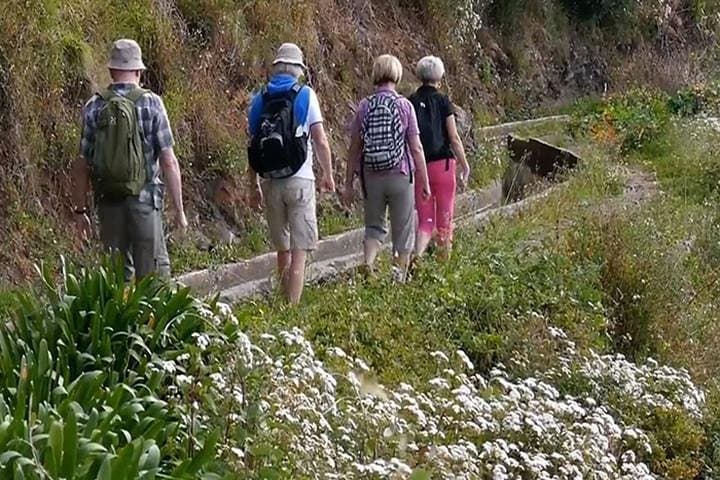
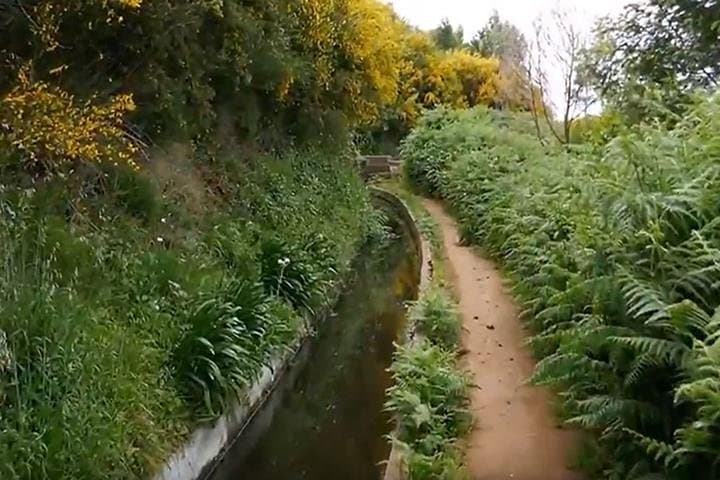
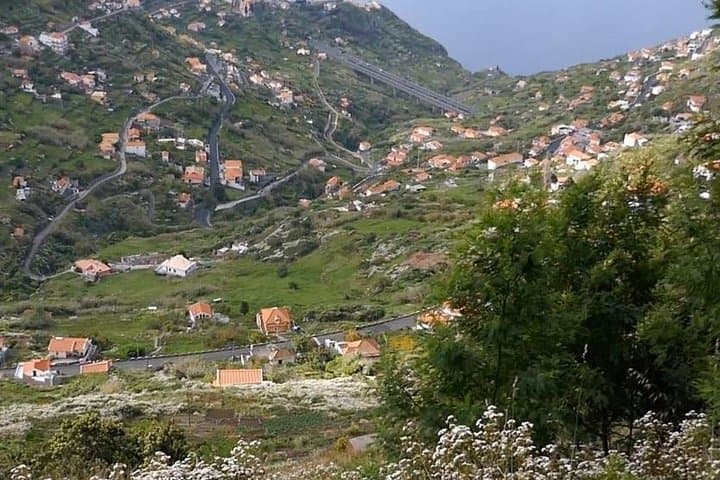
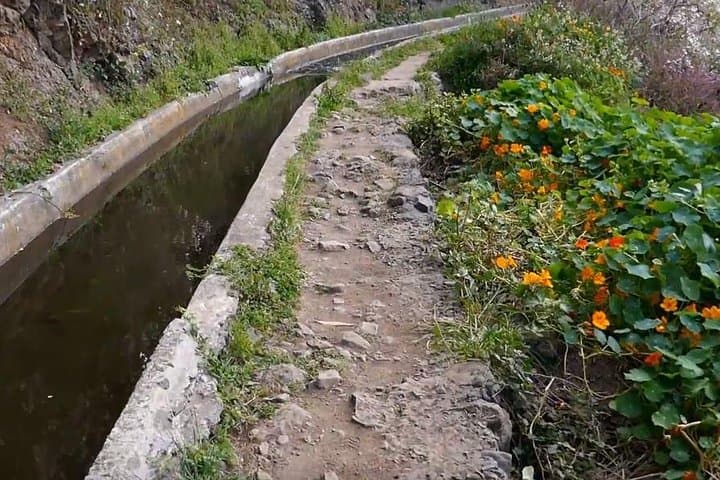
A lane of limestone, a narrow concrete channel and the Atlantic horizon set the stage as walkers step off the regional road into Quinta Grande. The Levadas hum here — water slipping along a hand-built canal, eucalyptus scents cutting through the warm island air, and terraced fields rolling down toward the ocean. The path is mostly level but lively: farm gates, wildflowers brushing ankles and occasional sea glimpses through laurel and pine.
Verified experiences and guided adventures in the surrounding area.
Operated by Madeira Island Tours · Quinta Grande, Madeira
A lane of limestone, a narrow concrete channel and the Atlantic horizon set the stage as walkers step off the regional road into Quinta Grande. The Levadas hum here — water slipping along a hand-built canal, eucalyptus scents cutting through the warm island air, and terraced fields rolling down toward the ocean. The path is mostly level but lively: farm gates, wildflowers brushing ankles and occasional sea glimpses through laurel and pine.
Levada do Norte is among Madeira’s oldest and longest irrigation networks, built to move precious mountain water from windward heights to southern farms. The route traces lava-formed basalt ridges and old agricultural plots where sugar, then bananas and vegetables, shaped local life. Quinta Grande’s village culture remains quietly agricultural; farmers still tend terraces, and small cafés serve strong coffee and bolo de caco to passing walkers.
Practical guidance is straightforward: the walk covers roughly 6 km and can be done in about 2–3 hours at an easy pace. Terrain is mostly flat with short, narrow sections beside the levada and a few exposed ledges; solid footwear and steady footing are important. Facilities are limited in the immediate trailhead; guided tours often include hotel pickup in Funchal or Ribeira Brava. Aim for morning or late-afternoon to avoid midday sun and to catch cooler coastal breezes. Watch for wet stone after rain and keep to the levada path to protect irrigation works and terraces. With basic gear — sturdy shoes, water, sun protection — this is an accessible taste of Madeira’s engineered landscape and coastal panoramas.
easy.
2–3 hours.
Suitable for average fitness: steady walking for a few hours with minor elevation change
The standard route is about 6 km and generally easy—flat levada path with a few narrow sections; allow 2–3 hours at a relaxed pace.
Facilities near the trailhead are limited; consider using services in Quinta Grande or Ribeira Brava before you start.
Yes, if they are steady on their feet; supervise children near narrow or exposed sections and avoid the walk in heavy rain.
You can walk independently — the levada is straightforward — but guided options are common and helpful if you prefer transport or local context.
Levada do Norte is part of Madeira’s historic irrigation network built from the 16th century onward to move water from the wet north to cultivated southern terraces, shaping local agriculture and settlement.
Stick to the levada path and avoid trampling terraces; the levadas are fragile infrastructure that rely on local maintenance and mindful recreation to remain viable.
Madeira Island Tours operates guided outdoor trips and adventures with an emphasis on safety, stewardship, and memorable experiences.
A lane of limestone, a narrow concrete channel and the Atlantic horizon set the stage as walkers step off the regional road into Quinta Grande. The Levadas hum here — water slipping along a hand-built canal, eucalyptus scents cutting through the warm island air, and terraced fields rolling down toward the ocean. The path is mostly level but lively: farm gates, wildflowers brushing ankles and occasional sea glimpses through laurel and pine.
A lane of limestone, a narrow concrete channel and the Atlantic horizon set the stage as walkers step off the regional road into Quinta Grande. The Levadas hum here — water slipping along a hand-built canal, eucalyptus scents cutting through the warm island air, and terraced fields rolling down toward the ocean. The path is mostly level but lively: farm gates, wildflowers brushing ankles and occasional sea glimpses through laurel and pine.
Levada do Norte is among Madeira’s oldest and longest irrigation networks, built to move precious mountain water from windward heights to southern farms. The route traces lava-formed basalt ridges and old agricultural plots where sugar, then bananas and vegetables, shaped local life. Quinta Grande’s village culture remains quietly agricultural; farmers still tend terraces, and small cafés serve strong coffee and bolo de caco to passing walkers.
Practical guidance is straightforward: the walk covers roughly 6 km and can be done in about 2–3 hours at an easy pace. Terrain is mostly flat with short, narrow sections beside the levada and a few exposed ledges; solid footwear and steady footing are important. Facilities are limited in the immediate trailhead; guided tours often include hotel pickup in Funchal or Ribeira Brava. Aim for morning or late-afternoon to avoid midday sun and to catch cooler coastal breezes. Watch for wet stone after rain and keep to the levada path to protect irrigation works and terraces. With basic gear — sturdy shoes, water, sun protection — this is an accessible taste of Madeira’s engineered landscape and coastal panoramas.