THE ADVENTURE COLLECTIVE® · Independent discovery and booking for outdoor travel

See the 71-meter Leshan Giant Buddha from the river, stroll a preserved old town and pick tea with a local farmer — all in one practical day trip from Chengdu. Expect boat views, workshops, and hands-on tea learning.
See the 71-meter Leshan Giant Buddha from the river, stroll a preserved old town and pick tea with a local farmer — all in one practical day trip from Chengdu. Expect boat views, workshops, and hands-on tea learning.
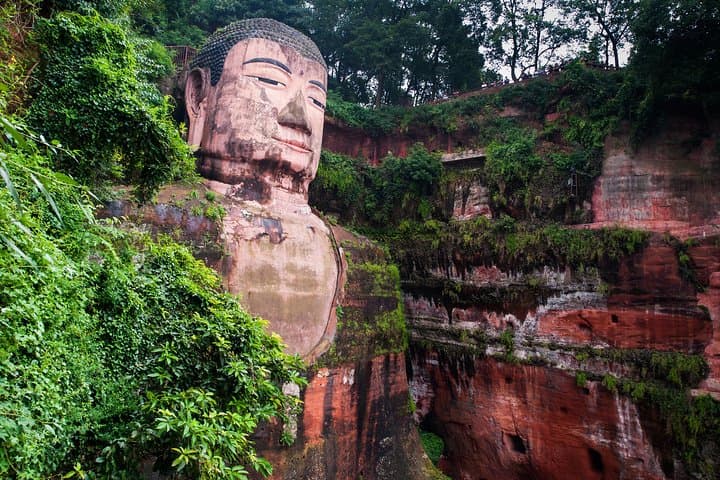
You leave Chengdu before dawn and the highway flattens the city into a ribbon of concrete; by midmorning the road gives way to river valleys and steep red cliffs. The boat docks at Leshan Park feel immediate — river wind pushing you toward a carved face that has watched three rivers meet for more than a millennium. From the water the Buddha fills the riverbank, his shadowed eyes and vast shoulders measured against gulls and barges.
Verified experiences and guided adventures in the surrounding area.
Operated by Trippest Travel · Leshan, Sichuan
You leave Chengdu before dawn and the highway flattens the city into a ribbon of concrete; by midmorning the road gives way to river valleys and steep red cliffs. The boat docks at Leshan Park feel immediate — river wind pushing you toward a carved face that has watched three rivers meet for more than a millennium. From the water the Buddha fills the riverbank, his shadowed eyes and vast shoulders measured against gulls and barges.
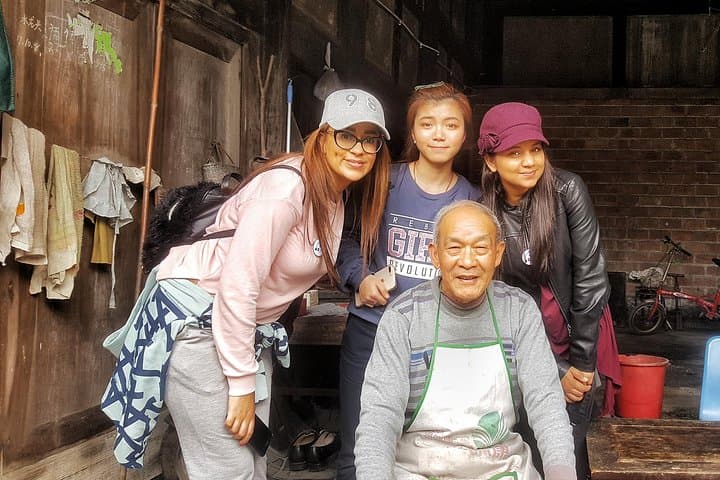
The statue dates to the Tang dynasty (construction began in the early 8th century) and was engineered to channel river silt away from its base. The surrounding town preserves centuries of craft: blacksmiths, bamboo workers and a hundred-year-old courtyard that still hosts tea and conversation. Cultural layers here are tactile — incense at a small shrine, callused hands showing leaf buds, and terrace soil that remembers the monsoon.
A short drive uphill brings tea terraces and a farmer who explains picking standards, processing and the region’s microclimates. You’ll sample fresh brews, try a few plucks, and learn why elevation and mist shape flavor.
Practical guide: the full program is about 8 hours, with a 15–20 minute boat approach to the statue, short town walks and an uphill tea visit. Wear grippy shoes for wet docks and village lanes, carry water and sun protection, and bring a small daypack for purchases. Respect temple etiquette, follow your guide on docking and steep paths, and allow extra time for photos — the Buddha rewards patience with a framed, humbling view.
easy.
8 hours.
Light walking ability; able to manage short stairs and uneven village lanes
The sightseeing boat approach lasts about 15–20 minutes and brings you close to the statue for framed photos.
Yes — the itinerary is labeled easy with light walking, but there are stairs and uneven surfaces; children must be supervised.
Yes — the tea visit includes hands-on picking and a short demonstration of local processing methods.
Boat ticket for the Leshan Giant Buddha and site admissions described in the itinerary are included in the tour package.
The Leshan Giant Buddha was carved during the Tang dynasty to calm river currents and took roughly a century to complete; it and nearby Mount Emei became a UNESCO World Heritage Site in 1996.
Sediment management and regular conservation work protect the cliff-carved statue; visitors are encouraged to avoid littering and to follow marked paths to reduce erosion.
Trippest Travel operates guided outdoor trips and adventures with an emphasis on safety, stewardship, and memorable experiences.

You leave Chengdu before dawn and the highway flattens the city into a ribbon of concrete; by midmorning the road gives way to river valleys and steep red cliffs. The boat docks at Leshan Park feel immediate — river wind pushing you toward a carved face that has watched three rivers meet for more than a millennium. From the water the Buddha fills the riverbank, his shadowed eyes and vast shoulders measured against gulls and barges.
You leave Chengdu before dawn and the highway flattens the city into a ribbon of concrete; by midmorning the road gives way to river valleys and steep red cliffs. The boat docks at Leshan Park feel immediate — river wind pushing you toward a carved face that has watched three rivers meet for more than a millennium. From the water the Buddha fills the riverbank, his shadowed eyes and vast shoulders measured against gulls and barges.
The statue dates to the Tang dynasty (construction began in the early 8th century) and was engineered to channel river silt away from its base. The surrounding town preserves centuries of craft: blacksmiths, bamboo workers and a hundred-year-old courtyard that still hosts tea and conversation. Cultural layers here are tactile — incense at a small shrine, callused hands showing leaf buds, and terrace soil that remembers the monsoon.
A short drive uphill brings tea terraces and a farmer who explains picking standards, processing and the region’s microclimates. You’ll sample fresh brews, try a few plucks, and learn why elevation and mist shape flavor.
Practical guide: the full program is about 8 hours, with a 15–20 minute boat approach to the statue, short town walks and an uphill tea visit. Wear grippy shoes for wet docks and village lanes, carry water and sun protection, and bring a small daypack for purchases. Respect temple etiquette, follow your guide on docking and steep paths, and allow extra time for photos — the Buddha rewards patience with a framed, humbling view.