THE ADVENTURE COLLECTIVE® · Independent discovery and booking for outdoor travel

Two days from Chengdu combine the colossal Leshan Giant Buddha with the misty temples of Mount Emei. This private tour pairs cultural history with accessible mountain hiking and cable-car access to the Golden Summit.
Two days from Chengdu combine the colossal Leshan Giant Buddha with the misty temples of Mount Emei. This private tour pairs cultural history with accessible mountain hiking and cable-car access to the Golden Summit.
A cool morning on the highway out of Chengdu gives way to river bends and limestone cliffs; by mid-morning the cliff-face that holds the Leshan Giant Buddha fills the windshield and then the field of view as you step down the carved stairways. The statue’s bowed shoulders and moss-streaked stone put scale on the rivers it was carved to calm, while temple bells and river traffic thread a living scene beneath.
Verified experiences and guided adventures in the surrounding area.
Operated by happychinatours · Leshan, Sichuan
A cool morning on the highway out of Chengdu gives way to river bends and limestone cliffs; by mid-morning the cliff-face that holds the Leshan Giant Buddha fills the windshield and then the field of view as you step down the carved stairways. The statue’s bowed shoulders and moss-streaked stone put scale on the rivers it was carved to calm, while temple bells and river traffic thread a living scene beneath.
The Buddha dates to the Tang dynasty and was carved into Lingyun Mountain starting in the 8th century — an engineering and devotional project born of flooding and faith. Geologically the area is redbed sedimentary rock carved by the confluence of three rivers; the mountain above Leshan opens into Mount Emei’s ancient forested slopes where karst ridges give way to high, temple-strewn summits.
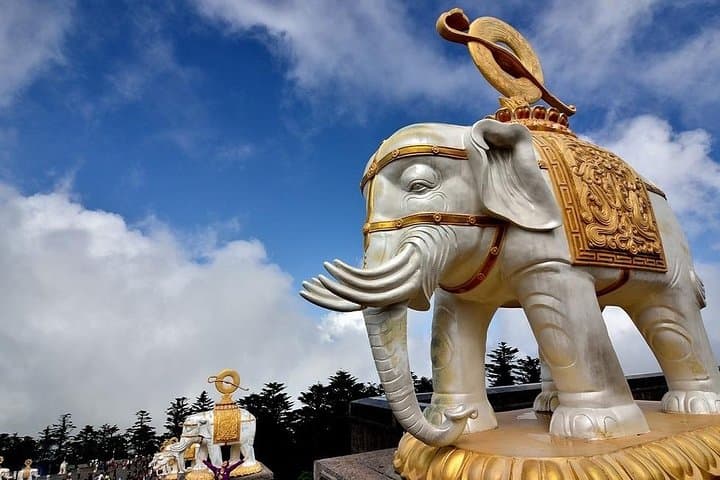
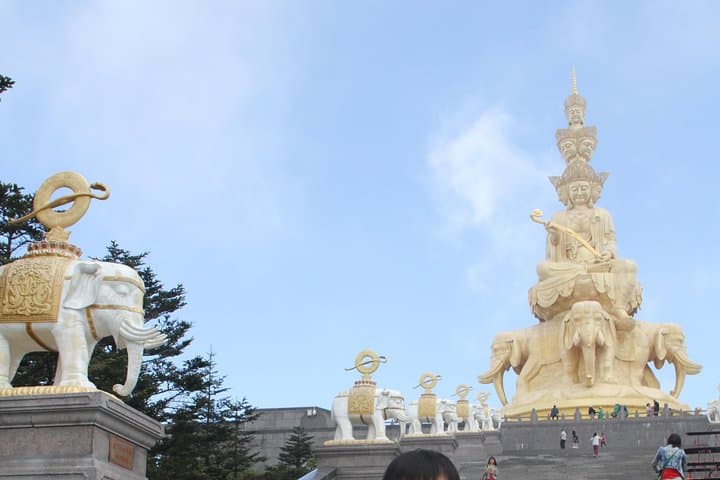
On day one this private itinerary focuses on the Buddha complex and Lingyun Temple, with time for riverside viewpoints and a local lunch. Day two moves to Emeishan: a shuttle, a short uphill walk to the Jieyingting cableway, and a cable car ride to the Golden Summit where bronze Buddhas, sweeping cloud seas and crisp alpine air dominate the scene.
Practical edge: expect lots of stairs, wet stone in spring, and rapidly changing mountain weather. Wear supportive footwear, bring layered clothing, and plan for early starts to avoid crowds and take the front of the bus if you’re prone to motion sickness. The tour is cultural and natural — both accessible and physically active — and best approached with respect for temple customs and trail etiquette.
moderate.
2 days.
Moderate fitness: comfortable with stairs, short uphill walks and standing for viewpoints.
Yes — entrance tickets for main sites and the shuttle bus/cable car on the itinerary are included per the tour details.
The tour is private and can be paced, but there are many stairs and some uphill walking; not recommended for those with serious mobility issues.
Yes — the operator can arrange accommodation at Baoguo Monastery or hotels at the mountain base if you want an overnight to experience sunrise or cloud sea.
The tour operates year-round but visibility on Emei depends on weather; operators advise checking forecasts — refunds follow the standard 24-hour cancellation policy.
The Leshan Giant Buddha was carved during the Tang dynasty (8th century) to control river currents; Mount Emei is one of China’s Four Great Buddhist Mountains with millennia of monastic history.
Both sites are UNESCO-listed and sensitive to visitor pressure — follow marked trails, avoid littering, and do not feed wildlife to reduce human-wildlife conflicts.
happychinatours operates guided outdoor trips and adventures with an emphasis on safety, stewardship, and memorable experiences.
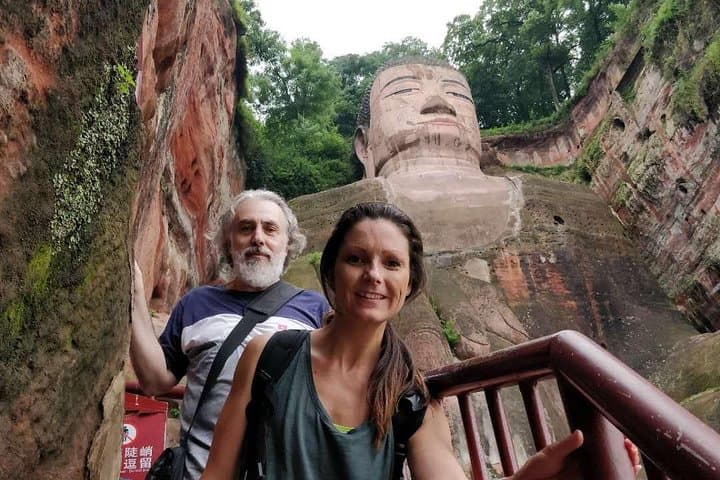
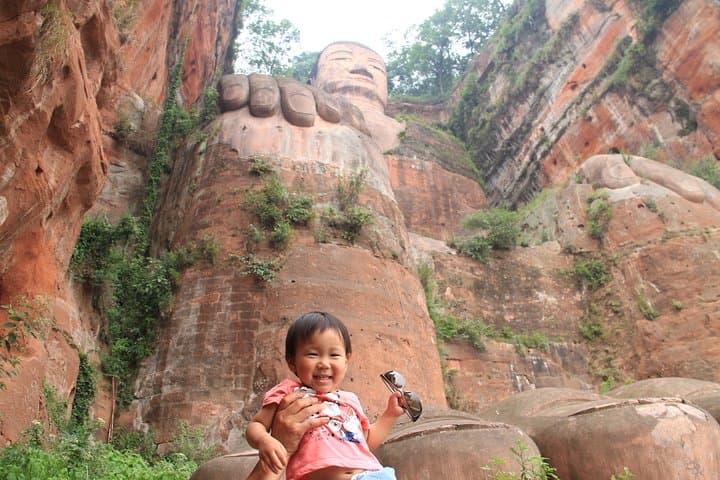
A cool morning on the highway out of Chengdu gives way to river bends and limestone cliffs; by mid-morning the cliff-face that holds the Leshan Giant Buddha fills the windshield and then the field of view as you step down the carved stairways. The statue’s bowed shoulders and moss-streaked stone put scale on the rivers it was carved to calm, while temple bells and river traffic thread a living scene beneath.
A cool morning on the highway out of Chengdu gives way to river bends and limestone cliffs; by mid-morning the cliff-face that holds the Leshan Giant Buddha fills the windshield and then the field of view as you step down the carved stairways. The statue’s bowed shoulders and moss-streaked stone put scale on the rivers it was carved to calm, while temple bells and river traffic thread a living scene beneath.
The Buddha dates to the Tang dynasty and was carved into Lingyun Mountain starting in the 8th century — an engineering and devotional project born of flooding and faith. Geologically the area is redbed sedimentary rock carved by the confluence of three rivers; the mountain above Leshan opens into Mount Emei’s ancient forested slopes where karst ridges give way to high, temple-strewn summits.
On day one this private itinerary focuses on the Buddha complex and Lingyun Temple, with time for riverside viewpoints and a local lunch. Day two moves to Emeishan: a shuttle, a short uphill walk to the Jieyingting cableway, and a cable car ride to the Golden Summit where bronze Buddhas, sweeping cloud seas and crisp alpine air dominate the scene.
Practical edge: expect lots of stairs, wet stone in spring, and rapidly changing mountain weather. Wear supportive footwear, bring layered clothing, and plan for early starts to avoid crowds and take the front of the bus if you’re prone to motion sickness. The tour is cultural and natural — both accessible and physically active — and best approached with respect for temple customs and trail etiquette.