THE ADVENTURE COLLECTIVE® · Independent discovery and booking for outdoor travel

See the 71-meter Leshan Giant Buddha and stroll the old streets of Huanglongxi in a single day from Chengdu. This practical guide outlines what to expect—history, terrain, and planning tips for an efficient cultural day trip.
See the 71-meter Leshan Giant Buddha and stroll the old streets of Huanglongxi in a single day from Chengdu. This practical guide outlines what to expect—history, terrain, and planning tips for an efficient cultural day trip.
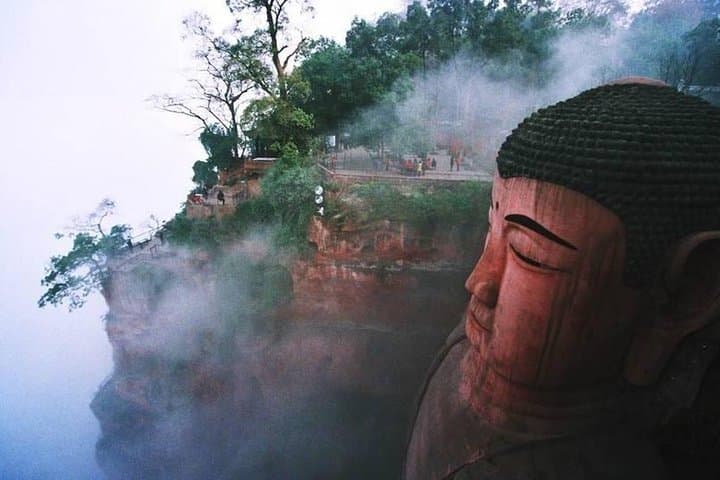
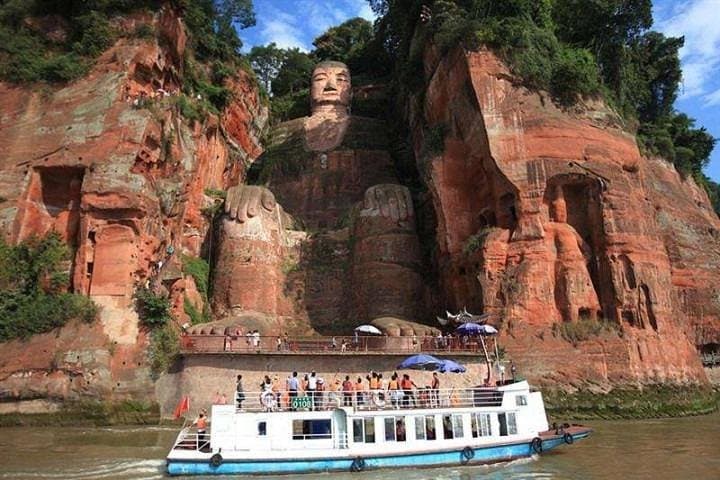
You arrive at the riverside path as the morning light slides down the red sandstone cliff—water impatiently threading between the Min and Dadu rivers, as if the currents themselves measure the scale of the stone guardian above.
Verified experiences and guided adventures in the surrounding area.
Operated by pandachinago · Leshan, Sichuan
You arrive at the riverside path as the morning light slides down the red sandstone cliff—water impatiently threading between the Min and Dadu rivers, as if the currents themselves measure the scale of the stone guardian above.
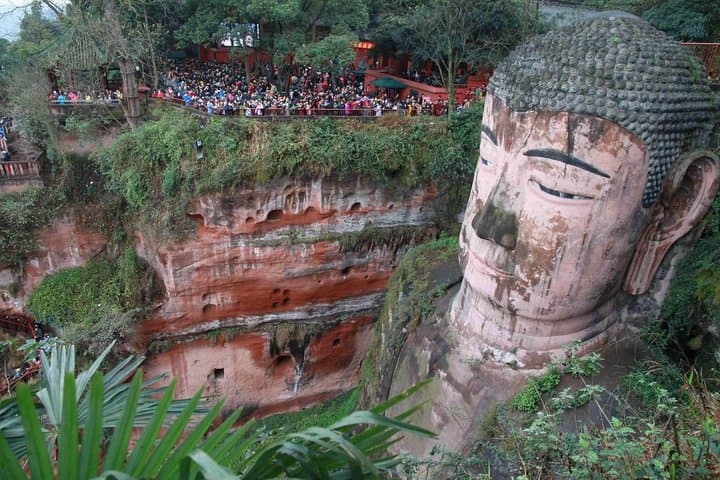
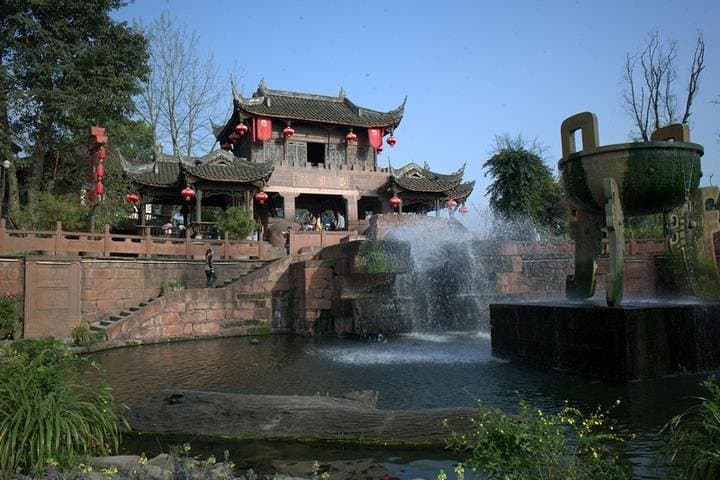
The Leshan Giant Buddha, carved during the Tang dynasty (713–803 AD), rises 71 meters from the cliff face and was originally intended to calm treacherous waters. Its engineered drainage channels are a rare piece of ancient maintenance still visible today. A short drive away, Huanglongxi Ancient Town preserves Qing-era street patterns, old tea houses, and six ancient banyans that punctuate its narrow lanes; the town’s water culture and filmmaking history give it an offbeat, lived-in character.
Expect stair descents to the Buddha’s base and river viewpoints from the promenade; the statue faces Mount Emei and was listed as a UNESCO World Heritage Site in 1996. In Huanglongxi you’ll move at a quieter pace—exploring temples, sampling local tea, and watching slow-moving river life.
Plan for an 8–10 hour day: start early from Chengdu, bring passport for ticket checks, and wear shoes with good grip for stone steps and wet surfaces. Hydrate—there’s bottled water on many tours but a refillable bottle is handy. Respect ropes and signs; the site is actively conserved. Timing your visit for morning or late afternoon reduces crowds and gives better light for photos. Small-group or private transport makes the two-site loop efficient, leaving time to wander lanes and pause at a tea house before returning to the city.
easy.
8–10 hours.
Suitable for most travelers who can handle stair descent/ascent and several hours of walking.
This tour often does not include monument entrance fees; confirm with your operator and have cash or mobile payment available.
Expect moderate walking with multiple stairs to reach the Buddha’s viewing levels and short pedestrian exploration in Huanglongxi.
The tour is generally suitable, but the Buddha’s steep steps and crowds may be challenging—consider mobility limitations before booking.
Yes; the two sites are commonly paired on day trips from Chengdu using private transport for efficiency.
Carved during the Tang dynasty between 713 and 803 AD by monk Hai Tong and disciples, the Buddha was intended to calm dangerous river currents for passing ships.
The site is a UNESCO World Heritage Area; visitors should follow paths and signage to protect the stone carving and its ancient drainage works.
pandachinago operates guided outdoor trips and adventures with an emphasis on safety, stewardship, and memorable experiences.
You arrive at the riverside path as the morning light slides down the red sandstone cliff—water impatiently threading between the Min and Dadu rivers, as if the currents themselves measure the scale of the stone guardian above.
You arrive at the riverside path as the morning light slides down the red sandstone cliff—water impatiently threading between the Min and Dadu rivers, as if the currents themselves measure the scale of the stone guardian above.
The Leshan Giant Buddha, carved during the Tang dynasty (713–803 AD), rises 71 meters from the cliff face and was originally intended to calm treacherous waters. Its engineered drainage channels are a rare piece of ancient maintenance still visible today. A short drive away, Huanglongxi Ancient Town preserves Qing-era street patterns, old tea houses, and six ancient banyans that punctuate its narrow lanes; the town’s water culture and filmmaking history give it an offbeat, lived-in character.
Expect stair descents to the Buddha’s base and river viewpoints from the promenade; the statue faces Mount Emei and was listed as a UNESCO World Heritage Site in 1996. In Huanglongxi you’ll move at a quieter pace—exploring temples, sampling local tea, and watching slow-moving river life.
Plan for an 8–10 hour day: start early from Chengdu, bring passport for ticket checks, and wear shoes with good grip for stone steps and wet surfaces. Hydrate—there’s bottled water on many tours but a refillable bottle is handy. Respect ropes and signs; the site is actively conserved. Timing your visit for morning or late afternoon reduces crowds and gives better light for photos. Small-group or private transport makes the two-site loop efficient, leaving time to wander lanes and pause at a tea house before returning to the city.