THE ADVENTURE COLLECTIVE® · Independent discovery and booking for outdoor travel

Drive out of Chengdu to stand beside a 71-meter Tang-dynasty Buddha carved into a riverside cliff. This private day tour pairs close-up access and local insight with practical logistics—expect steps, river views, and the option to boat for a panoramic perspective.
Drive out of Chengdu to stand beside a 71-meter Tang-dynasty Buddha carved into a riverside cliff. This private day tour pairs close-up access and local insight with practical logistics—expect steps, river views, and the option to boat for a panoramic perspective.
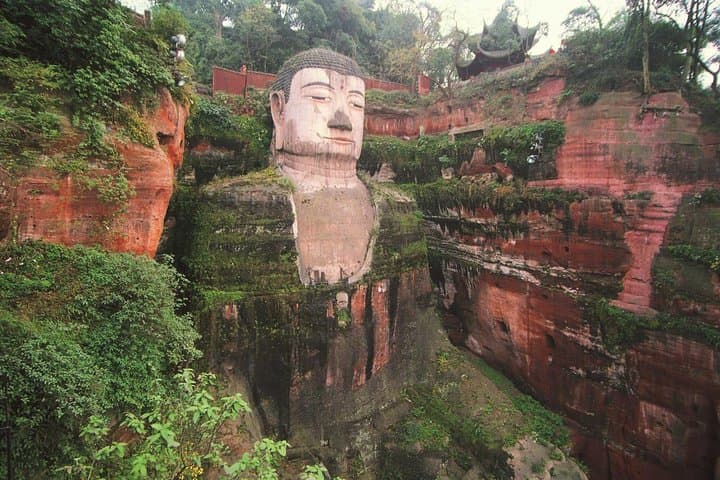
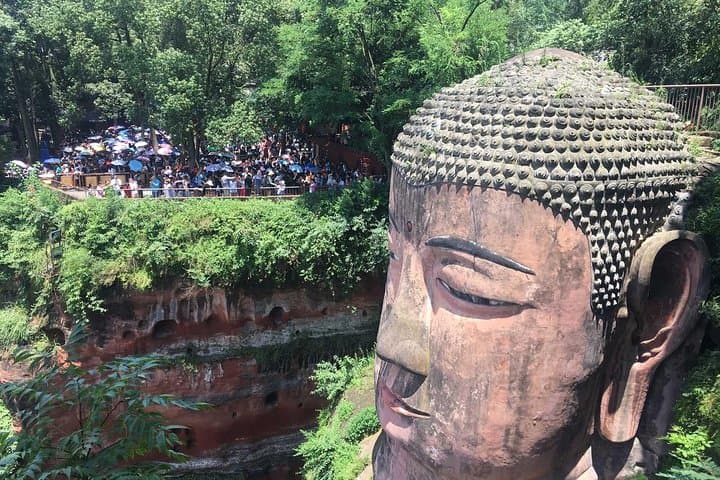
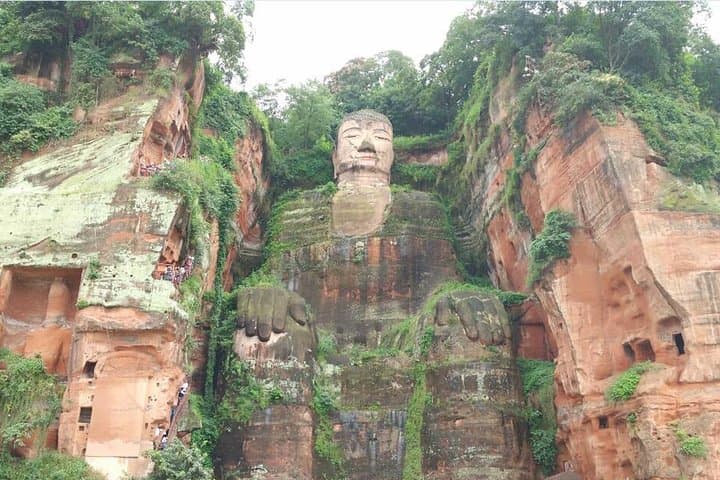
A low sun slants across the river as your private driver threads the highway from Chengdu toward the cliff where the Buddha watches three rivers meet. The rock face opens into a human-made figure more than 70 meters tall; stone steps braid up beside the statue and tourists become small figures in its shadow. The air carries river spray and the muted calls of vendors selling tea and carved souvenirs.
Verified experiences and guided adventures in the surrounding area.
Operated by Panda Insider · Leshan, Sichuan
A low sun slants across the river as your private driver threads the highway from Chengdu toward the cliff where the Buddha watches three rivers meet. The rock face opens into a human-made figure more than 70 meters tall; stone steps braid up beside the statue and tourists become small figures in its shadow. The air carries river spray and the muted calls of vendors selling tea and carved souvenirs.
Carved into red sandstone during the Tang dynasty (construction began in 713 and finished over decades), the Leshan Giant Buddha stands at the confluence of the Min, Dadu and Qing rivers. Its scale was both devotional and practical—the Buddha’s hair and drainage channels were an early engineering answer to cliff erosion. For locals the site has long blended Buddhist pilgrimage with riverine commerce; today UNESCO protection (listed in 1996) preserves both the sculpture and the surrounding park.
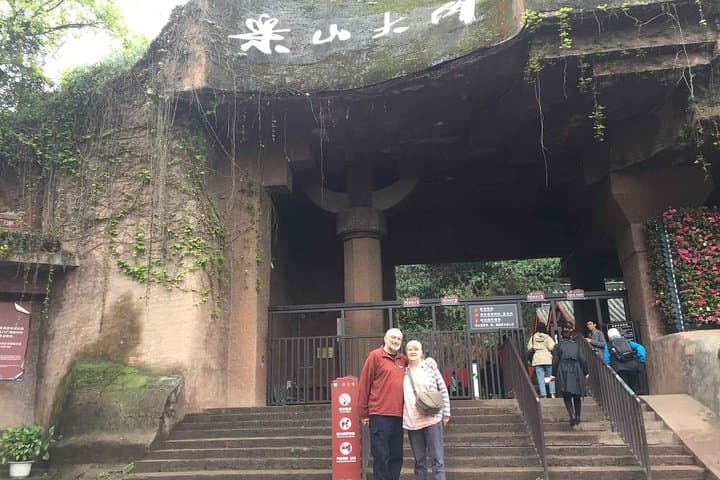
On this private eight-hour excursion expect roughly two hours each way by road, a riverside lunch, guided access to the viewing terraces, and the option to take a short boat ride for a full frontal vista (extra cost). The close-up approach requires climbing several hundred stone steps and negotiating narrow platforms; shoes with grip and a steady pace make the difference. Timing your visit early or late reduces crowds and midday heat, and remember that sections can be wet and slippery after rain. Your guide handles tickets and logistics—bring hydration, a light rain shell, and a camera charged for wide-angle shots.
moderate.
8 hours.
Suitable for travelers in average fitness who can climb several hundred uneven stone steps and stand for extended viewing.
Expect about two hours each way depending on traffic; the tour schedules an eight-hour round trip including visits and lunch.
This private tour lists entrance fee as included; your guide will assist with ticketing on arrival.
Yes—boat rides offering the frontal panorama are available on site but are generally at extra cost and subject to weather.
Yes—you’ll climb several hundred uneven stone steps and negotiate narrow viewing terraces, so take it slowly if you’re prone to vertigo.
The statue was carved during the Tang dynasty beginning in 713 as both a devotional project and an early attempt to control river erosion at a busy confluence.
UNESCO protection and local restoration work aim to slow sandstone erosion; visitors are asked to stay on paths, avoid touching vulnerable carvings, and follow park rules to limit wear.
Panda Insider operates guided outdoor trips and adventures with an emphasis on safety, stewardship, and memorable experiences.
A low sun slants across the river as your private driver threads the highway from Chengdu toward the cliff where the Buddha watches three rivers meet. The rock face opens into a human-made figure more than 70 meters tall; stone steps braid up beside the statue and tourists become small figures in its shadow. The air carries river spray and the muted calls of vendors selling tea and carved souvenirs.
A low sun slants across the river as your private driver threads the highway from Chengdu toward the cliff where the Buddha watches three rivers meet. The rock face opens into a human-made figure more than 70 meters tall; stone steps braid up beside the statue and tourists become small figures in its shadow. The air carries river spray and the muted calls of vendors selling tea and carved souvenirs.
Carved into red sandstone during the Tang dynasty (construction began in 713 and finished over decades), the Leshan Giant Buddha stands at the confluence of the Min, Dadu and Qing rivers. Its scale was both devotional and practical—the Buddha’s hair and drainage channels were an early engineering answer to cliff erosion. For locals the site has long blended Buddhist pilgrimage with riverine commerce; today UNESCO protection (listed in 1996) preserves both the sculpture and the surrounding park.
On this private eight-hour excursion expect roughly two hours each way by road, a riverside lunch, guided access to the viewing terraces, and the option to take a short boat ride for a full frontal vista (extra cost). The close-up approach requires climbing several hundred stone steps and negotiating narrow platforms; shoes with grip and a steady pace make the difference. Timing your visit early or late reduces crowds and midday heat, and remember that sections can be wet and slippery after rain. Your guide handles tickets and logistics—bring hydration, a light rain shell, and a camera charged for wide-angle shots.