THE ADVENTURE COLLECTIVE® · Independent discovery and booking for outdoor travel

Start the day in a 100‑year‑old Pengzhen tea house, then travel to Leshan to see the world’s largest stone Buddha carved from Cretaceous red-bed sandstone. This private day trip mixes hands-on tea culture with riverside temple routes and manageable walking.
Start the day in a 100‑year‑old Pengzhen tea house, then travel to Leshan to see the world’s largest stone Buddha carved from Cretaceous red-bed sandstone. This private day trip mixes hands-on tea culture with riverside temple routes and manageable walking.
The bus leaves Chengdu before dawn and the road opens like a slow breath into rural Sichuan—rice paddies slip past, river mist lifting as the guide steers toward Pengzhen’s century-old tea house. Inside, wooden beams creak and a steam-warmed cup of local tea arrives: a quiet ritual that slows time and introduces the social cadence of Sichuan’s tea culture.
Verified experiences and guided adventures in the surrounding area.
Operated by MyPandaTours · Leshan, Sichuan
The bus leaves Chengdu before dawn and the road opens like a slow breath into rural Sichuan—rice paddies slip past, river mist lifting as the guide steers toward Pengzhen’s century-old tea house. Inside, wooden beams creak and a steam-warmed cup of local tea arrives: a quiet ritual that slows time and introduces the social cadence of Sichuan’s tea culture.
From there the itinerary moves to the cliff-carved colossus at Leshan, a 71‑meter Buddha carved from Cretaceous red-bed sandstones. Carved during the Tang dynasty, the statue was engineered to drain rainwater through hidden channels; geology and devotion converge where the river dares you to look downstream and measure human scale against stone. Temples ring the gorge—pilgrims chant, incense curls, and local monks maintain rituals that have shaped the town for centuries.
Practical guidance matters here: the full day runs about seven hours with sections of standing, stair descents to the viewing platform, and short walks through temple courtyards. Expect uneven stone steps and narrow viewing points; wear grippy, comfortable shoes and pack water. Photography is allowed at most outdoor vantage points but be respectful in prayer areas—keep voices low and avoid stepping where offerings are placed. Lunch is typically local restaurant fare; bring cash for small purchases in Pengzhen.
For travelers who want context with comfort, this private day trip combines cultural immersion with accessible history and geology—an exacting, leisurely introduction to one of China’s most monumental human-made landscapes.
easy.
6–7 hours.
Suitable for most fitness levels; must be able to climb and descend flights of stairs and stand for periods.
The tour is about 6–7 hours round trip including tea sampling, travel, visiting the Leshan Giant Buddha, and lunch.
Tickets may be included if you booked the all‑inclusive option; confirm at booking and keep your mobile ticket available.
Yes—this is low impact walking, but the Buddha viewing requires stairs and narrow paths, so mobility limitations should be considered.
Outdoor photography is generally allowed; inside temples follow signs and staff guidance—avoid flash and respect worshippers.
The Leshan Giant Buddha was carved during the Tang dynasty as a hydraulic and spiritual project; its drainage system shows early engineering to preserve the statue.
Visitor management focuses on preserving sandstone surfaces and reducing pollution in the river; avoid littering and follow stay-on-path rules to limit erosion.
MyPandaTours operates guided outdoor trips and adventures with an emphasis on safety, stewardship, and memorable experiences.

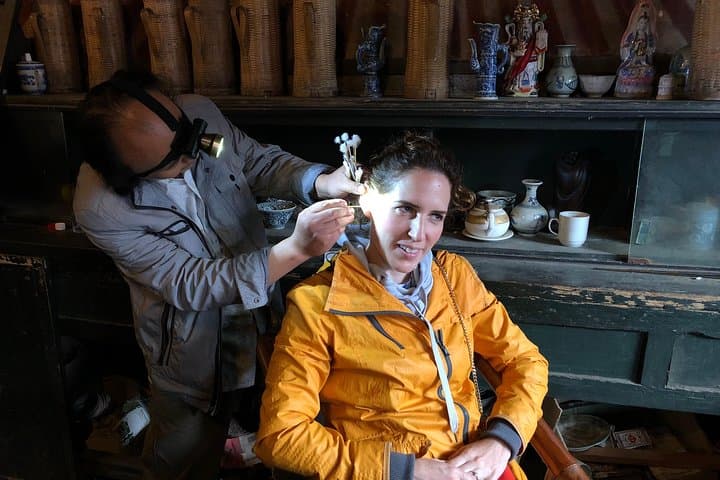
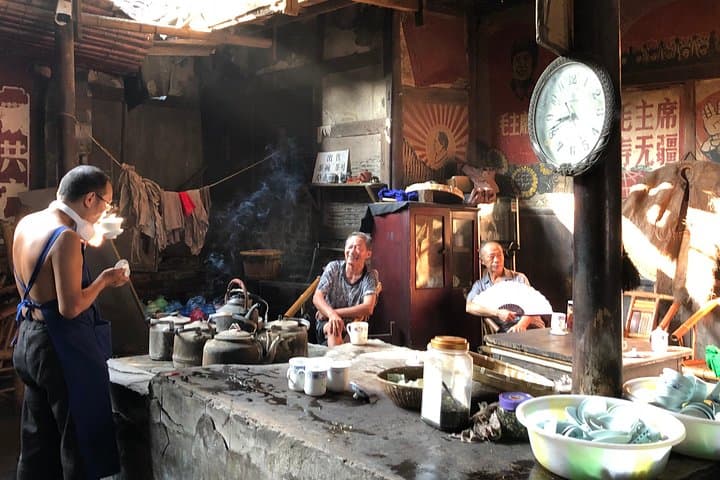
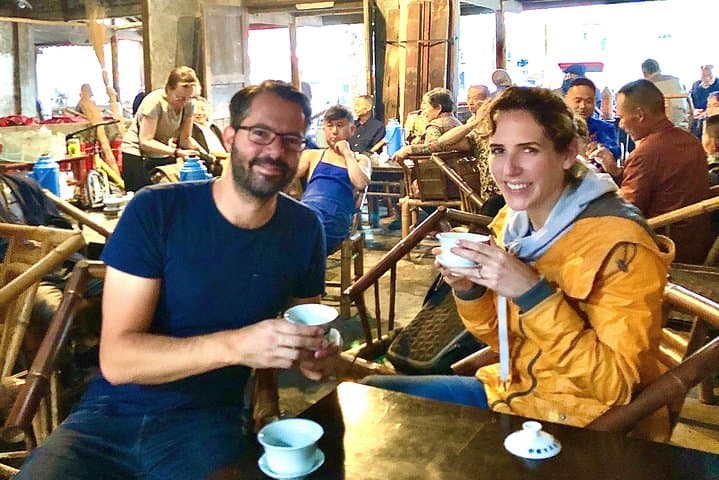
The bus leaves Chengdu before dawn and the road opens like a slow breath into rural Sichuan—rice paddies slip past, river mist lifting as the guide steers toward Pengzhen’s century-old tea house. Inside, wooden beams creak and a steam-warmed cup of local tea arrives: a quiet ritual that slows time and introduces the social cadence of Sichuan’s tea culture.
The bus leaves Chengdu before dawn and the road opens like a slow breath into rural Sichuan—rice paddies slip past, river mist lifting as the guide steers toward Pengzhen’s century-old tea house. Inside, wooden beams creak and a steam-warmed cup of local tea arrives: a quiet ritual that slows time and introduces the social cadence of Sichuan’s tea culture.
From there the itinerary moves to the cliff-carved colossus at Leshan, a 71‑meter Buddha carved from Cretaceous red-bed sandstones. Carved during the Tang dynasty, the statue was engineered to drain rainwater through hidden channels; geology and devotion converge where the river dares you to look downstream and measure human scale against stone. Temples ring the gorge—pilgrims chant, incense curls, and local monks maintain rituals that have shaped the town for centuries.
Practical guidance matters here: the full day runs about seven hours with sections of standing, stair descents to the viewing platform, and short walks through temple courtyards. Expect uneven stone steps and narrow viewing points; wear grippy, comfortable shoes and pack water. Photography is allowed at most outdoor vantage points but be respectful in prayer areas—keep voices low and avoid stepping where offerings are placed. Lunch is typically local restaurant fare; bring cash for small purchases in Pengzhen.
For travelers who want context with comfort, this private day trip combines cultural immersion with accessible history and geology—an exacting, leisurely introduction to one of China’s most monumental human-made landscapes.